By Boluwatife Oshadiya | May 25, 2026
Key Points
- Brent crude fell more than 5% amid optimism over US-Iran diplomatic negotiations
- Investors expect improved stability in the Strait of Hormuz if talks succeed
- Analysts warn that unresolved disagreements could still derail a final agreement
Main Story
Oil prices declined sharply on Monday after fresh signs of progress in diplomatic negotiations between the United States and Iran raised expectations of improved stability in the Middle East and reduced risks to global crude supply.
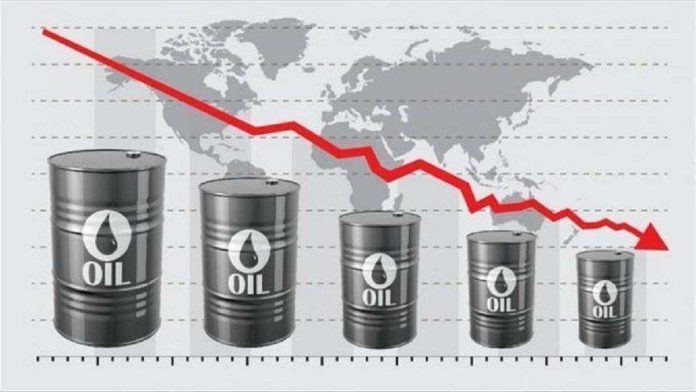
Brent crude fell about 5.1% to $95.10 per barrel from its previous close of $100.21, while US benchmark West Texas Intermediate (WTI) declined 5.6% to $91.20 per barrel from $96.60.
Market sentiment improved following comments from US President Donald Trump, who described ongoing negotiations with Iran as “orderly and constructive” in a post on his Truth Social platform.
Trump stated that US-Iran relations were becoming “more professional and productive” but maintained that Tehran must not develop or acquire nuclear weapons.
US Secretary of State Marco Rubio also signalled potential progress in the talks, telling reporters in India that discussions remained ongoing and that developments could emerge soon.
The diplomatic developments strengthened market expectations that the Strait of Hormuz — a critical global oil shipping route — could gradually return to normal operations if a broader agreement is reached.
However, analysts caution that oil and gas infrastructure damaged during recent tensions may take months to fully recover, potentially slowing any immediate normalisation in crude supply flows.
Meanwhile, Iran’s semi-official Tasnim News Agency reported that disagreements remain between both countries over key elements of a possible deal, including the release of frozen Iranian assets.
The Issues
The Strait of Hormuz remains one of the world’s most strategically important energy corridors, handling a significant portion of global oil exports daily. Any disruption to shipping activities in the region typically triggers immediate volatility in oil prices and global financial markets.
The latest price decline reflects growing market confidence that geopolitical tensions may ease in the near term. Lower oil prices could help moderate inflation globally and reduce pressure on central banks maintaining aggressive monetary tightening policies.
However, unresolved diplomatic disputes and damaged energy infrastructure continue to pose risks to global energy market stability.
What’s Being Said
“Work still in progress. We thought we might have some news last night, maybe today,” US Secretary of State Marco Rubio told reporters in New Delhi.
“US-Iran relations are becoming much more professional and productive,” President Donald Trump said on Truth Social.
Energy market analysts also noted that traders remain cautious despite the sharp decline in prices, given the fragile nature of Middle East diplomacy.
What’s Next
- Investors will monitor further official announcements from Washington and Tehran regarding nuclear negotiations
- Oil traders are expected to closely watch developments around the Strait of Hormuz shipping corridor
- Markets will also assess whether lower crude prices begin easing inflation expectations globally
The Bottom Line: Oil markets are rapidly pricing in hopes of a diplomatic breakthrough between the US and Iran, but significant geopolitical and infrastructure risks remain unresolved. Any lasting decline in crude prices will depend not only on diplomacy, but also on the speed at which regional energy operations can fully stabilise.