









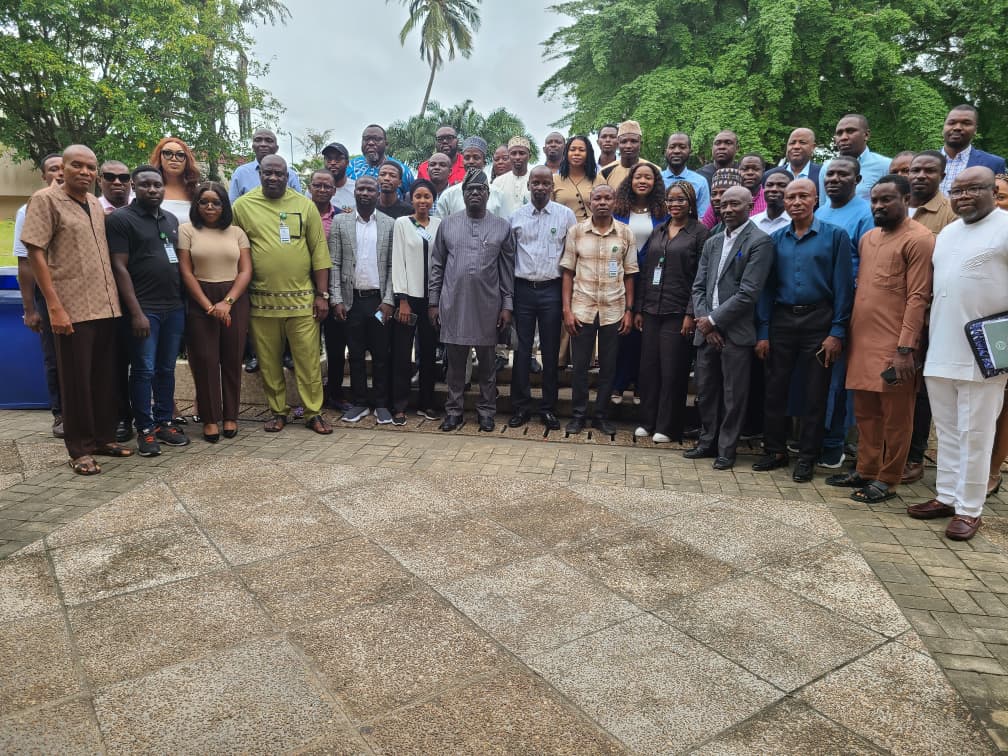
The Nigerian Ports Consultative Council (NPCC) has commenced its maiden training programme on onshore and offshore port operations and management at the Federal Palace Hotel, Victoria Island, Lagos.
The three-day intensive course has drawn senior industry leaders together to enhance efficiency, compliance, and safety across Nigeria’s maritime sector.
In his welcome address, NPCC Chairman, Mr. Bolaji Sunmola, described the event as “a landmark in the Council’s history” since its establishment in 1953, recalling its role as a unifying platform for government agencies, private operators, and industry experts.
He underscored the urgent need for structured, targeted training to equip port professionals with up-to-date knowledge, technical skills, and global best practices.
NPCC Vice Chairman, Mrs. Jean Chiazor Anishere (SAN), emphasised that shipping is inherently international, and Nigerian ports must align with global standards, outlining the expected outcomes as; improved operational efficiency, stronger compliance with international benchmarks, enhanced safety protocols, and better stakeholder collaboration.
She also revealed plans to make the programme a biannual event and assured participants of a worthwhile experience.
The first technical session, presented by Prof. Bamidele Badejo, explored “Overview of Global vs Local Port Operations” and examined the distinctions between onshore and offshore activities.
He discussed global competition, historical shipbuilding partnerships, and the potential for Nigerian shipyards to achieve certification within five years, stressing the importance of vocational training in building capacity.
This was followed by Capt. Ihenancho Ebebeogu’s paper on “Introduction to Smart Ports and Their Economic Importance”, which detailed how smart ports use artificial intelligence, the Internet of Things, and blockchain to optimise operations, cut costs, and promote sustainable growth. He also introduced the concept of green ports that prioritise environmental responsibility.
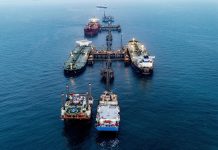
The day’s final presentation, examined “Overview of Offshore Facilities”, highlighting the integration between onshore terminals and offshore platforms and stressing the need for seamless coordination to enhance efficiency and safety.
As the first day of the inaugural programme ended, it paved the way for more intensive training, peer-to-peer exchanges, and strategic dialogue aimed at shaping the future of Nigerian port operations.








 has commenced its maiden training programme on onshore and offshore port operations ...)