Keypoints
- Economic stakeholders from Benue, Nasarawa, Plateau, and the FCT have convened in Abuja for a two day workshop on the Multidimensional Poverty Index (MPI).
- Organized by the Federal Ministry of Budget and Economic Planning, the session aims to shift poverty measurement beyond income to include health, education, and living standards.
- Experts noted that 83 million Nigerians were classified as multidimensionally poor in the last major report, highlighting a massive gap in basic service delivery.
- The workshop focuses on training statisticians and budget officers to use this data for more equitable and targeted resource allocation.
Main Story
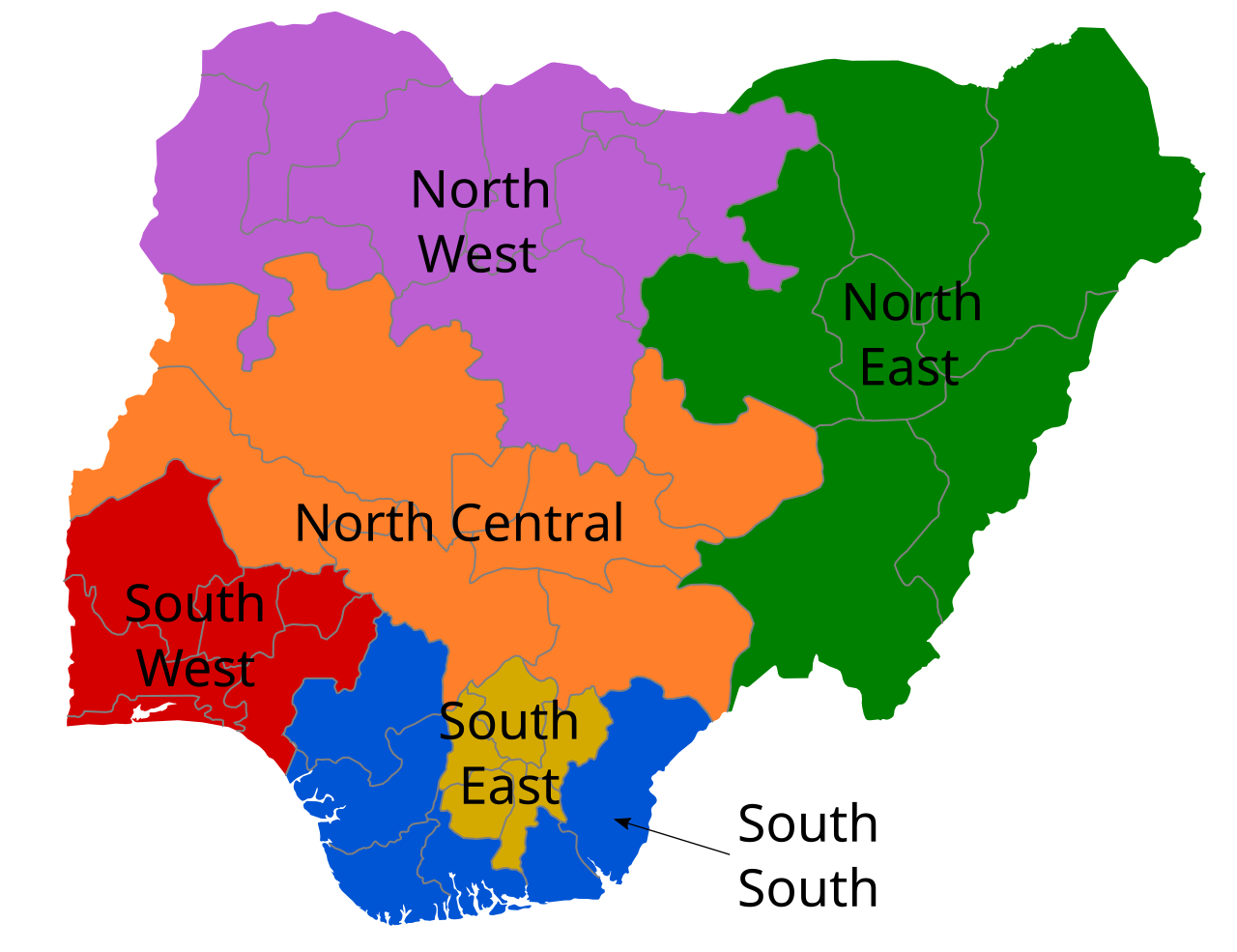
Stakeholders across the North Central region began a strategic two day workshop in Abuja on Thursday to overhaul how Nigeria plans its budgets and economic policies. The initiative, a collaboration between the Federal Ministry of Budget and Economic Planning and Pinches Multi-Services Limited, seeks to institutionalize the use of the Multidimensional Poverty Index (MPI) in government decision making.
Participants, including development planners and academics, are examining how to move away from purely income based metrics to a system that captures real world deprivations.
Convener Oluwafemi Sadibo explained that the MPI provides a more holistic picture of poverty by measuring lack of access to clean water, electricity, healthcare, and education.
By understanding these specific “deprivations,” budget officers can direct funds to the exact sectors that will most effectively lift citizens out of poverty. The workshop serves as a platform to strengthen the capacity of state governments to engage in data driven planning rather than relying on historical spending patterns.
The Issues
The primary challenge facing the region is the 83 million Nigerians currently classified as multidimensionally poor. According to Prof. Isa Muhammad of the University of Abuja, poor living standards—including inadequate housing and sanitation—remain the dominant drivers of poverty disparities across the North Central states. The government must solve the problem of targeted intervention because simply increasing income does not help a citizen who still lacks access to a functional hospital or a school. Furthermore, there is a need to cascade this technical knowledge from the federal and state levels down to local communities to ensure collective responsibility.
What’s Being Said
- “Understanding the poverty index will guide better budget allocation and ensure that resources are directed to areas of greatest need,” stated Oluwafemi Sadibo, Principal Consultant of Pinches Multi-Services Limited.
- Prof. Isa Muhammad noted that the 83 million figure is “significant” and requires planners to integrate these insights directly into development processes.
- Prof. Peter Siyan emphasized that a person can have an income but still be considered poor if they live in an environment without basic amenities like electricity or sanitation.
- Statisticians at the event highlighted that accurate data and proper interpretation of these indicators are the only ways to design interventions that yield lasting results.
What’s Next
- State Integration Participants from the four states are expected to return to their respective institutions to integrate MPI data into their 2027 budget preparations.
- Regional Scaling The convener has called on the Federal Government to scale this workshop model to other geopolitical zones to create a uniform national approach to poverty reduction.
- Evidence Based Policy The academic community will continue to provide data updates to help governments monitor whether their budget allocations are successfully reducing deprivation levels in real time.
Bottom Line
The shift toward a Multidimensional Poverty Index marks a transition from “guesswork budgeting” to data driven governance. For the North Central region, success will be measured not by how much money is spent, but by how many households gain access to the basic services that define a dignified life.