








KEY POINTS
- NOA engages community leaders and health officials in Jigawa to prevent illegal sale of Ready-to-Use Therapeutic Food (RUTF).
- UNICEF and Jigawa Primary Healthcare Development Agency collaborate to ensure RUTF reaches severely malnourished children.
- Poverty identified as a key driver of RUTF diversion; adults warned against consuming the therapeutic food.
MAIN STORY
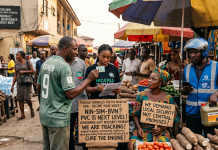
The National Orientation Agency (NOA) has called on stakeholders in Jigawa State to strengthen efforts in curbing the illegal diversion and sale of Ready-to-Use Therapeutic Food (RUTF), a critical intervention for children suffering from severe acute malnutrition.
Speaking in Dutse, the State Director of NOA, Mr Ahmad Tijjani, stressed the urgency of ensuring that RUTF reaches the children who need it most. “This forum is conducted in collaboration with UNICEF and the Jigawa Primary Healthcare Development Agency. Our goal is to increase vigilance and guarantee that RUTF is not sold in local markets for profit,” he said.
Mr Tijjani highlighted that each malnourished child requires a carton of RUTF to survive, noting that the diversion of even one carton could result in the loss of a young life.
THE ISSUES
A rapid survey conducted in Kano, Katsina, and Jigawa under the UNICEF Kano Field Office revealed that poverty is a major factor driving some parents to sell RUTF meant for their children. The diversion of this life-saving food undermines national efforts to combat child malnutrition and poses serious health risks for vulnerable children.
WHAT’S BEING SAID
Deputy State Health Educator, Mr Nura Ado, cautioned adults against consuming RUTF, warning that it could lead to obesity and associated conditions such as high blood pressure. Community leaders and health officials at the engagement pledged to raise awareness and monitor the distribution of RUTF more closely.
WHAT’S NEXT
NOA and its partners plan to intensify community sensitisation campaigns, monitor distribution channels, and strengthen local reporting mechanisms to prevent further diversion of RUTF.
BOTTOM LINE
Ensuring that RUTF reaches severely malnourished children is vital to saving lives in Jigawa. Collaborative efforts between government agencies, international partners, and local stakeholders remain critical to tackling both malnutrition and the socio-economic challenges driving the misuse of therapeutic food.








 has called on stakeholders in Jigawa State to strengthen efforts in curbing the illegal diversion ...)