







Nigeria’s cold chain industry, valued at N160 billion in 2023, presents a lucrative opportunity for both local and international investors, as a growing demand for temperature-controlled logistics exposes the sector’s glaring infrastructure deficits.
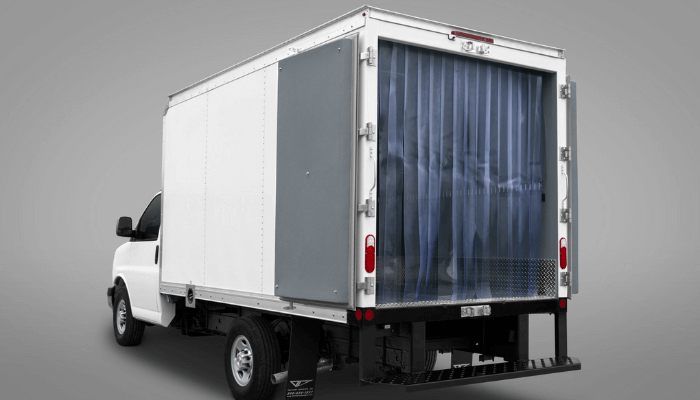
According to a recent report by the U.S. International Trade Administration (ITA), Nigeria has fewer than 1,000 functional refrigerated trucks, a fraction of the 25,000 needed to move over 11 million metric tonnes of perishable goods annually. The country’s current cold storage capacity operates at less than four percent of its actual need, resulting in post-harvest losses estimated at a staggering N3.5 trillion every year.
“This sector is still in its infancy. We are barely scratching the surface,” said Alexander Isong, President of the Organisation for Technology Advancement of Cold Chain in West Africa (OTACCWA). “Our cold storage facilities are almost non-existent, with most comprising small, inefficient cold rooms.”
The cold chain, a temperature-controlled supply chain system essential for storing and transporting perishable products such as fruits, vegetables, dairy, and pharmaceuticals, is vital for food security, reducing waste, and sustaining agricultural value chains.
For entrepreneurs like Michael Akintese, co-founder of Ecotutu, the gap in Nigeria’s cold chain system is both a crisis and an opportunity. “This deficiency is costing farmers and agribusinesses billions annually,” he said. “But it also opens up a multi-billion-naira investment space.”
Small businesses with access to cold storage have reportedly recorded up to a 23.47 percent increase in profits, Akintese added, demonstrating the tangible economic impact of cold chain solutions.
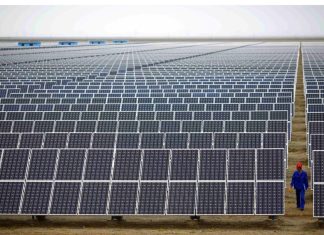
Daniel Onwude, CEO of digital cold-chain company Coldtivate, described the sector as “a goldmine of untapped opportunity.” He noted that strengthening Nigeria’s cold logistics network—especially with solar-powered storage, refrigerated vehicles, and last-mile tricycles for rural delivery—could revolutionise food preservation and trade.
The hidden cost of inadequate cold chain infrastructure is stark. The African Post-Harvest Loss Information System (APHLIS) reports that 40 percent of Nigeria’s food production is lost annually, with perishables such as fruits and vegetables recording losses of up to 70 percent.
Fatima, a tomato trader at Lagos’s Mile 12 market, shared her experience: “We bring tomatoes from Kano, only for half of them to rot before they’re sold. Sometimes, I lose up to 50 percent of my profits.”
Her concerns were echoed by Haliru Abdulsalam, another trader, who lamented the absence of preservation systems. “If I don’t sell my goods within two to three days, they go bad. It’s a race against time—and we’re losing.”
To address these challenges, experts are calling for investments in smart cold chain technologies, including Internet of Things (IoT), Artificial Intelligence (AI), blockchain, digital twins, and Radio Frequency Identification (RFID) for real-time monitoring and traceability.
Onwude stressed the importance of government support, advocating for infrastructure-friendly policies, free trade zones, and capacity-building programmes to close the skills gap in cold technology design, installation, and maintenance—a gap that the ITA also flagged as a critical bottleneck.
Globally, the cold chain equipment market is booming. According to Fortune Business Insights, the market stood at $35 billion in 2024 and is expected to surge to $112.23 billion by 2032, driven by growing demand for fresh food and vaccines.
With Nigeria positioning itself for agricultural transformation and food security, experts agree that a well-structured and technology-driven cold chain ecosystem will be indispensable.
“The cold chain market plays a critical role in tackling food insecurity, It’s time to prioritise it as a national development agenda.” Onwude said.