








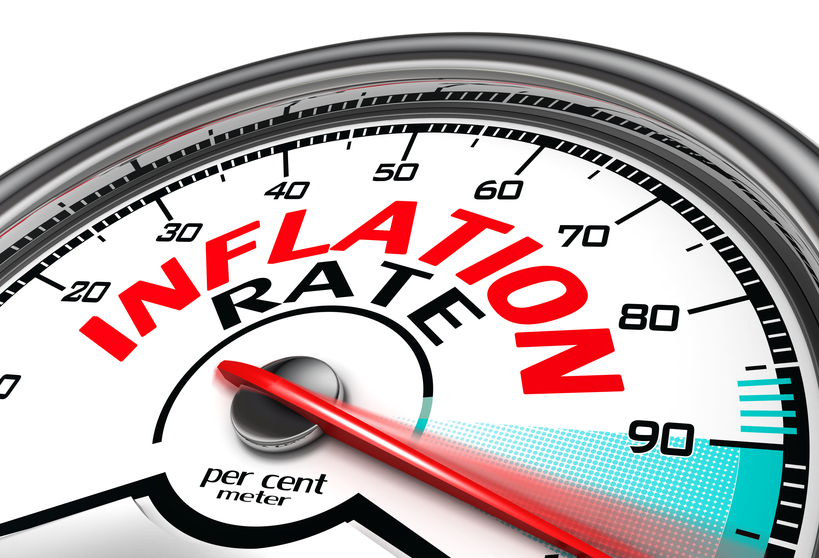
Nigeria’s inflation rate moderated further in January 2026, as the Consumer Price Index (CPI) declined to 127.4, reflecting a 3.8-point drop from 131.2 recorded in December 2025, according to the January 2026 CPI Report.
The Headline inflation rate eased marginally to 15.10% year-on-year, down from 15.15% in December 2025, representing a 0.05 percentage point decline month-on-month. More significantly, inflation is now 12.51 percentage points lower than the 27.61% recorded in January 2025, signaling a notable deceleration in price pressures compared to the same period last year.
On a month-on-month basis, inflation recorded a negative reading of -2.88%, compared to 0.54% in December 2025. This implies that the general price level declined in January relative to the previous month.
Food Inflation Sees Historic Pullback
The most striking development in the report is the sharp contraction in food inflation. Food inflation stood at 8.89% year-on-year, representing a dramatic 20.73 percentage point decline from 29.63% recorded in January 2025. On a month-on-month basis, food prices fell by -6.02%, compared to -0.36% in December 2025.
The report attributes this decline to falling prices in key staples including:
- Water Yam
- Eggs
- Green Peas
- Groundnut Oil
- Soya Beans
- Palm Oil
- Maize (Corn) Grains
- Guinea Corn
- Beans
- Beef Meat
- Cassava Tuber
- Cow Peas
The average annual rate of food inflation for the twelve months ending January 2026 was 20.29%, which is 18.18 percentage points lower than the 38.47% recorded in January 2025. Given food’s weight in Nigeria’s consumption basket, this decline played a dominant role in moderating overall inflation.
Core Inflation Moderates but Remains Elevated
Core inflation — officially reported as “All items less farm produce and energy” — stood at 17.72% year-on-year, down from 25.27% in January 2025. Month-on-month, core inflation fell to -1.69%, compared to 0.58% in December 2025.
Urban vs Rural Inflation Dynamics
The twelve-month average core inflation rate was 22.84%, lower than 27.24% recorded in January 2025. This suggests that while volatile food and energy components are easing, underlying structural price pressures remain relatively elevated.
Urban inflation stood at 15.36% year-on-year, down 14.09 percentage points from 29.45% recorded in January 2025. On a month-on-month basis, urban inflation contracted by -2.72%.
Rural inflation came in slightly lower at 14.44% year-on-year, representing a 10.60 percentage point decline from 25.04% recorded a year earlier. Month-on-month, rural prices fell by -3.29%.
However, the twelve-month average inflation for urban areas rose to 22.30%, compared to 18.88% in January 2025, indicating cumulative price pressures over the past year.
State-Level Variations
At the subnational level, price pressures varied significantly.
On a year-on-year basis:
- Benue (22.48%), Kogi (20.98%), and Abuja (19.25%) recorded the highest headline inflation rates.
- Ebonyi (8.72%), Katsina (8.94%), and Imo (10.61%) recorded the lowest.
On a month-on-month basis:
- Imo (1.93%), Ondo (1.93%), and Kaduna (0.67%) saw the highest increases.
- Cross River (-6.34%), Ogun (-6.30%), and Kogi (-6.03%) recorded price declines.
Food inflation at the state level was highest in Kogi (19.84%), Benue (18.38%), and Adamawa (17.29%), while Ebonyi (1.69%), Abia (3.23%), and Imo (3.74%) recorded the slowest increases.
Divisional Contributors to Inflation
The report shows that the highest contributors to year-on-year headline inflation were:
- Food & Non-Alcoholic Beverages (6.04%)
- Restaurants & Accommodation Services (1.95%)
- Transport (1.61%)
- Housing, Water, Electricity, Gas & Other Fuels (1.27%)
On a month-on-month basis, Food & Non-Alcoholic Beverages recorded the largest negative contribution (-1.15%).
What This Means
The January 2026 data suggests inflationary pressures are easing more decisively than anticipated, particularly in food categories. However, core inflation and service-sector components remain sticky.
The trajectory in coming months will depend on:
- Exchange rate stability
- Energy pricing
- Security conditions affecting agricultural production
- Monetary policy stance
While inflation has moderated sharply year-on-year, the elevated twelve-month averages indicate that price normalization is still in progress.





 declined to 127.4, reflecting a 3.8-point drop from 131.2 recorded in December 2025, according to the January 2026 CPI Report.)