








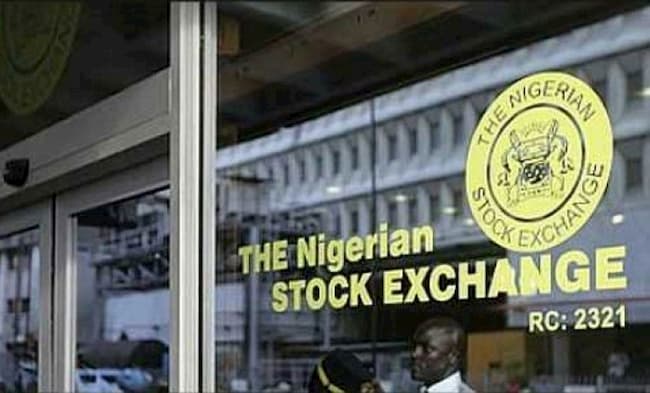
You could say July was a flex for Nigeria’s equities market. Not just a casual stretch, but a full-on display of strength—biceps bulging from consumer goods to agro-industrials and cement titans. If you’ve been anywhere near the Nigerian Stock Exchange this past month, you already know: July wasn’t just bullish. It was confident, consistent, and, well…a little showy.
From Nestlé to Presco, from cement giants to printing underdogs, something shifted in the air. Was it better earnings? Rising confidence in macro stability? Maybe just pent-up investor optimism finally finding expression. Whatever it was, the scoreboard doesn’t lie.
Let’s unpack the top ten stocks that raked in serious value gains—and why they did.
1. Nestlé Nigeria: When Giants Wake Up
Open: ₦1,450 → Close: ₦1,890 | Gain: ₦440 | +30.34%
There’s something poetic about Nestlé leading the charge. It’s a quiet giant—steady, rarely dramatic. But in July, it roared. A ₦440 gain per share isn’t small change in this space. That’s heavyweight territory.
Investors ran back to Nestlé for the usual reasons: stable demand (people always eat), pricing power, and a solid H1 guidance that signaled the worst might be over. Inflation? Sure. But if anyone knows how to work around rising costs and FX pressure, it’s Nestlé.
Honestly, the message was clear—when uncertainty knocks, you buy staples. And few are more staple than Milo and Maggi.
2. Presco Plc: Palm Oil and Profits
Open: ₦1,275 → Close: ₦1,550 | Gain: ₦275 | +21.57%
Presco didn’t need fireworks to impress—it just did what it does best: sell palm oil, earn in FX, and keep margins healthy. Global prices for palm oil stayed high, and Presco cashed in.
Its performance tells a broader story: investors are starting to see agro-industrials not just as seasonal plays, but as robust long-term hedges—especially when global markets get jittery.
And let’s face it, in a country where food security is a hot topic and currency volatility is the norm, firms like Presco carry weight.
3. Okomu Oil Palm Plc: The Silent Climber
Open: ₦790 → Close: ₦1,050 | Gain: ₦260 | +32.91%
If Presco was steady, Okomu was strategic. A ₦260 per share bump speaks volumes. Not flashy, but reliable—kind of like that investor who never says much but always seems to cash out big.
The key here? FX-linked earnings. Plus, low debt and a reputation for profitability make Okomu a safe haven in a stormy market. If July was about confidence, Okomu wore it like cologne.
4. Dangote Cement: Big Moves from the Big Boys
Open: ₦440 → Close: ₦528.3 | Gain: ₦88.3 | +20.07%
Cement isn’t sexy, but you’d be a fool to ignore Dangote when the construction sector starts humming. An ₦88.3 gain might seem tame next to the others, but in absolute terms? Massive.
This wasn’t just speculation—it was strategic reallocation. With infrastructure projects picking up and a strong Q2 earnings performance, Dangote reminded everyone: when Nigeria builds, Dangote wins.
5. Lafarge Africa: Out of the Shadows
Open: ₦87.2 → Close: ₦149 | Gain: ₦61.8 | +70.87%
If Dangote is the king, Lafarge is the comeback kid. With a jaw-dropping 70.87% jump, it went from a mid-table player to a headline act.
Behind the rally? Strong earnings, efficient cost management, and a clear strategy for sourcing materials locally. Investors noticed. And rewarded.
Sometimes, all a stock needs is one clean quarter to change the story. For Lafarge, July was the rewrite.
6. Beta Glass: Small Gain, Big Signal
Open: ₦333.95 → Close: ₦374 | Gain: ₦40.05 | +11.99%
At first glance, Beta Glass looks like the underachiever on this list. But context matters.
In a sector dealing with capital expenditure pressures and shifting packaging demand, a near-12% gain signals resilience. Investors are betting on Nigeria’s manufacturing revival—and Beta is quietly riding the wave.
7. BUA Cement: Reclaiming Ground
Open: ₦95.4 → Close: ₦135 | Gain: ₦39.6 | +41.51%
BUA’s rally was part catch-up, part anticipation. After a tough 2024, this bounce suggests investors believe the worst is over.
Construction activity is rising, and BUA sits right at the heart of it. Plus, the company’s capacity expansion plans mean it could leapfrog competitors if execution stays tight.
If this were a boxing match, July was BUA’s first clean jab after months of dodging hits.
8. UACN Plc: Welcome to the Rebuild
Open: ₦40.9 → Close: ₦80.3 | Gain: ₦39.4 | +96.33%
Now this was a surprise. UACN almost doubled its price—and no, it wasn’t just a meme stock moment.
There’s real work happening behind the scenes: restructuring, better asset leverage, and growth in both food and real estate arms. This wasn’t noise. It was a signal. Investors finally heard it.
9. Nigerian Exchange Group: Trading on the Trade
Open: ₦42.9 → Close: ₦74.6 | Gain: ₦31.7 | +73.89%
Funny how the exchange itself becomes one of the biggest winners. But with rising trade volumes and strong corporate results across the board, NGX Group’s own stock got a performance boost.
It’s a classic case of “a rising tide lifts all boats”—except this time, the tide was the boat.
10. Cadbury Nigeria: Sweet Returns
Open: ₦41.5 → Close: ₦68 | Gain: ₦26.5 | +63.86%
Cadbury’s gain wasn’t just market sentiment—it was a bet on fundamentals.
Investors are buying into the idea that FMCGs, when run efficiently, can weather storms. Cadbury’s margin improvements and supply chain tweaks are finally paying off. And people still love their Bournvita.
It’s the kind of performance that reminds you sometimes the sweetest victories are quiet.
So…What’s the Big Picture?
Sure, each of these stocks has its own story. But together? They tell a tale of recovery, confidence, and calculated risk-taking.
We’re seeing a market slowly shaking off the cobwebs of 2024’s FX shocks and inflationary drama. There’s renewed belief in local production, defensive consumer plays, and infrastructure-linked stocks.
It’s not just about who gained. It’s why they gained—and what that says about investor sentiment going forward. For the business-minded? This is a clear nudge: the market is moving again. And in times like these, not playing might be the riskiest play of all.
Final Thought
You don’t need to be a day trader to recognize patterns. Sometimes, just watching where the money’s flowing is enough to tell you the mood of the market. And in July? That mood was unmistakably optimistic. Let’s see what August has in store.