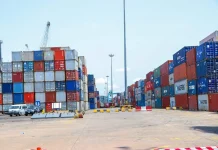







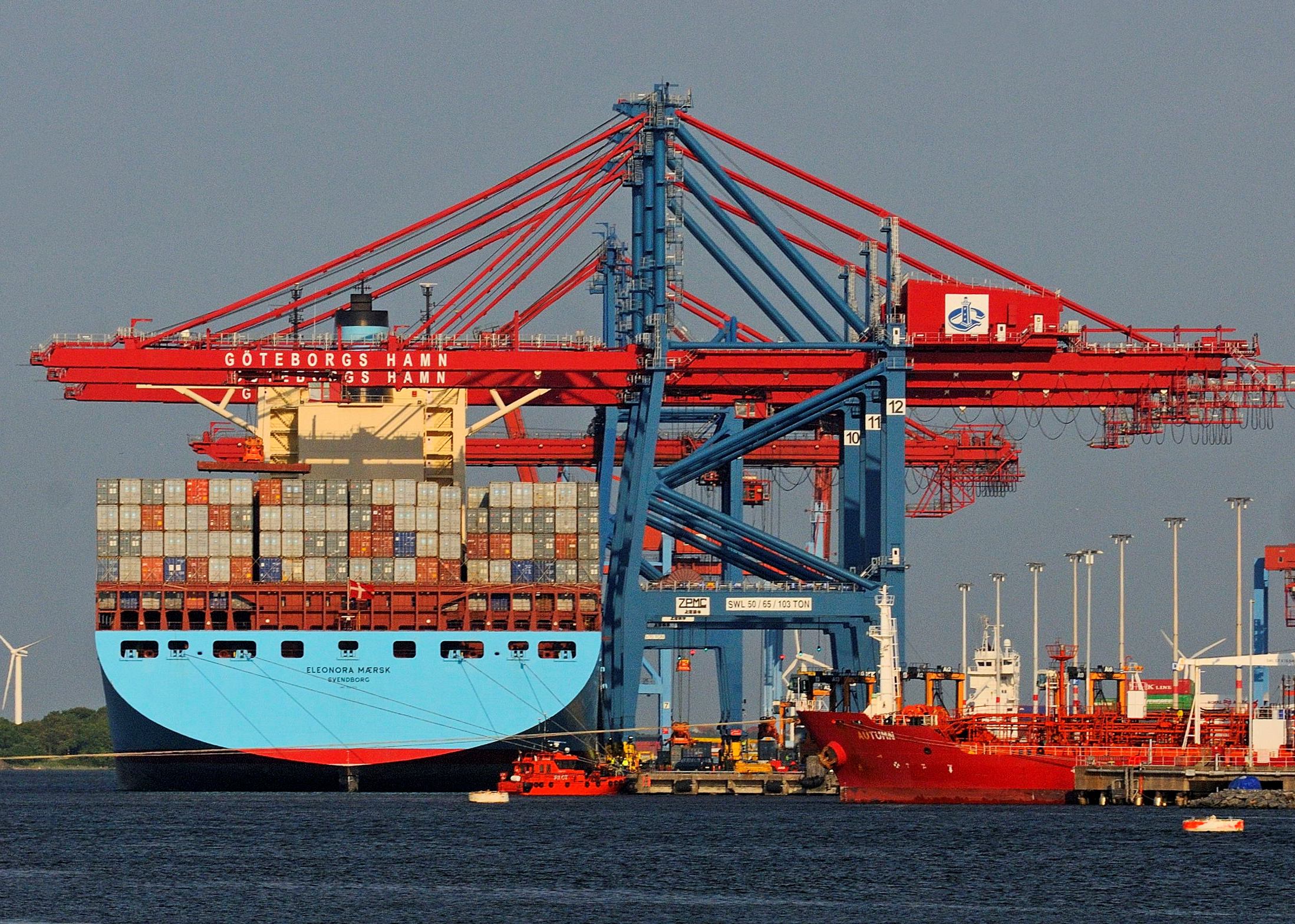
The Nigerian Ports Authority, NPA, has revealed that about 5,090 oceans going vessels with a Gross Tonnage, GT, of 144.20million tonnes called at the Nigerian ports in 2015.
The annual report of 2015 released by the Ports Authority showed that all the ports recorded a decrease in gross tonnage of cargos received during the year.
The Delta Port Complex was worst hit by the cargo decline as it recorded a gross tonnage of 7.5m tonnes, showing a decrease of 33.5 per cent from the year 2014 figure of 11.3m gross tonnes.
Rivers Port Complex was significantly affected. Its GT went down by 29 per cent to 4.4m tonne compared with 6.2m gross tonnes achieved the previous year.
GT at the Lagos Port Complex (LPC) declined by 3.9 per cent from 22.2m tonnes to 21.3m.
Tin can Island Port recorded 7.1 per cent decrease as its gross tonnage went down to16.2m tonne from the 17.5m recorded in 2014.
Calabar Port Complex recorded 2.1m tonne of GT, showing a decline of 9.2 per cent from 2.3m gross tonnes in 2014.
For Onne Port Complex, there is a marginal one per cent decrease of GT from 26.8m in 2014 to 26.5m.
Meanwhile, the cargo throughput for the year stood at 195.9 metric tonnes (MT) which showed a marginal increase of 0.8 per cent over the 194.4m achieved in 2014, a statement by the authority’s spokesman, Capt. Iheanacho Ebubeogu, said.
Cargo throughput is the total volume of cargo (inward and outward) handled in all the port locations during the period under review.