






Nigerian households sharply reduced real consumption in 2024 as accelerating inflation severely weakened purchasing power, according to expenditure-side data from the Central Bank of Nigeria’s latest statistical bulletin.
Provisional GDP figures show that household final consumption expenditure, measured at 2010 constant purchasers’ prices, declined from ₦45.41 trillion in 2023 to ₦31.12 trillion in 2024.
This represents a real contraction of approximately ₦14.29 trillion, or about 31 per cent year-on-year, signalling a significant collapse in the volume of goods and services households were able to consume.
Constant-price data strip out inflation effects, meaning the decline reflects an actual reduction in consumption rather than price distortions. When consumption falls this sharply in real terms, it indicates that households are materially cutting back on spending capacity.
Nominal Spending Rises, Real Value Falls
In contrast, household consumption measured at current purchasers’ prices rose from ₦146.69 trillion to ₦173.01 trillion in 2024, an increase of roughly ₦26.31 trillion, or nearly 18 per cent.
This divergence highlights the core inflation challenge: Nigerians are spending more naira but receiving less real value, as rising prices absorb an increasing share of household income.
Inflation Surge Deepens Cost-of-Living Crisis
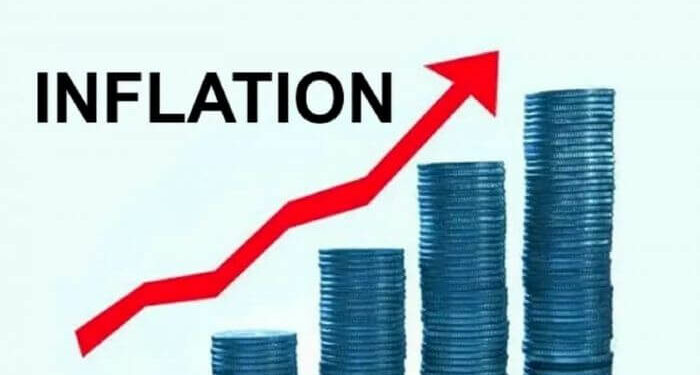
Nigeria’s inflation trajectory throughout 2024 explains much of the erosion in consumption. Headline inflation opened the year at 29.90 per cent in January, up from around 28.9 per cent in December 2023, and continued climbing throughout the year.
By December 2024, inflation had risen to approximately 34.80 per cent, one of the highest annual readings in over a decade. Persistent increases in food, energy, transport, and housing costs compounded the pressure on household budgets.
Staple foods became increasingly unaffordable for lower-income earners, while fuel subsidy removal and currency depreciation transmitted cost shocks across nearly every segment of daily life.
Real Wages Also Decline
The data further reveal a deterioration in real labour income. Compensation of employees at constant prices fell from ₦28.27 trillion in 2023 to ₦25.48 trillion in 2024, a decline of nearly 10 per cent.
Although nominal wages rose—from ₦63.83 trillion to ₦75.59 trillion—those increases failed to keep pace with inflation. In effect, workers earned more on paper but could afford less in real terms, intensifying pressure on household consumption.
Weak Demand Threatens Economic Growth
Household consumption accounts for the largest share of Nigeria’s GDP on the expenditure side. A contraction of this magnitude signals weakening domestic demand, with implications for retail, manufacturing, services, and investment.
Lower consumption typically translates into reduced business revenues, slower production cycles, and cautious capital expenditure.
Earlier in 2024, the Chief Executive Officer of the Centre for the Promotion of Private Enterprises (CPPE), Muda Yusuf, warned that persistent inflation continued to depress purchasing power and heighten poverty risks.
He attributed inflationary pressures to exchange rate depreciation, high transportation and logistics costs, diesel price hikes, insecurity in farming communities, and structural production bottlenecks.
Private Sector and Poverty Impact
By January 2024, the National President of the Association of Small Business Owners of Nigeria, Dr Femi Egbesola, noted that inflation had eroded consumer demand, raised operating costs, and reduced profitability, making businesses less attractive to investors.
The World Bank estimates that 14 million Nigerians were pushed into poverty in 2024, with nearly 47 per cent of the population now living below the international poverty line of $2.15 per day.
In response, the Nigerian government launched temporary cash transfer programmes targeting 15 million households, with ₦75,000 disbursed in instalments, benefiting an estimated 67 million people.
However, the World Bank projects poverty could rise further to 52 per cent by 2026 without sustained reforms to protect incomes, stabilise prices, and boost productivity.