

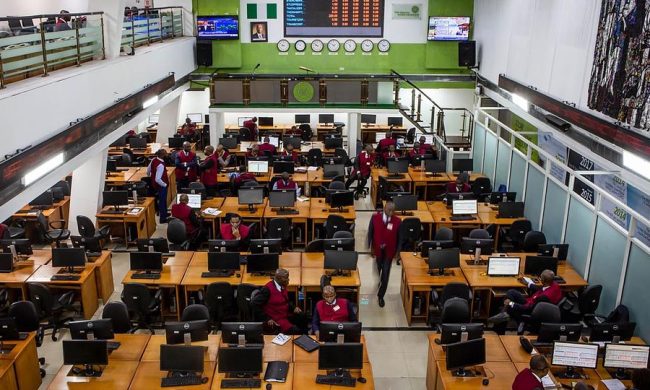








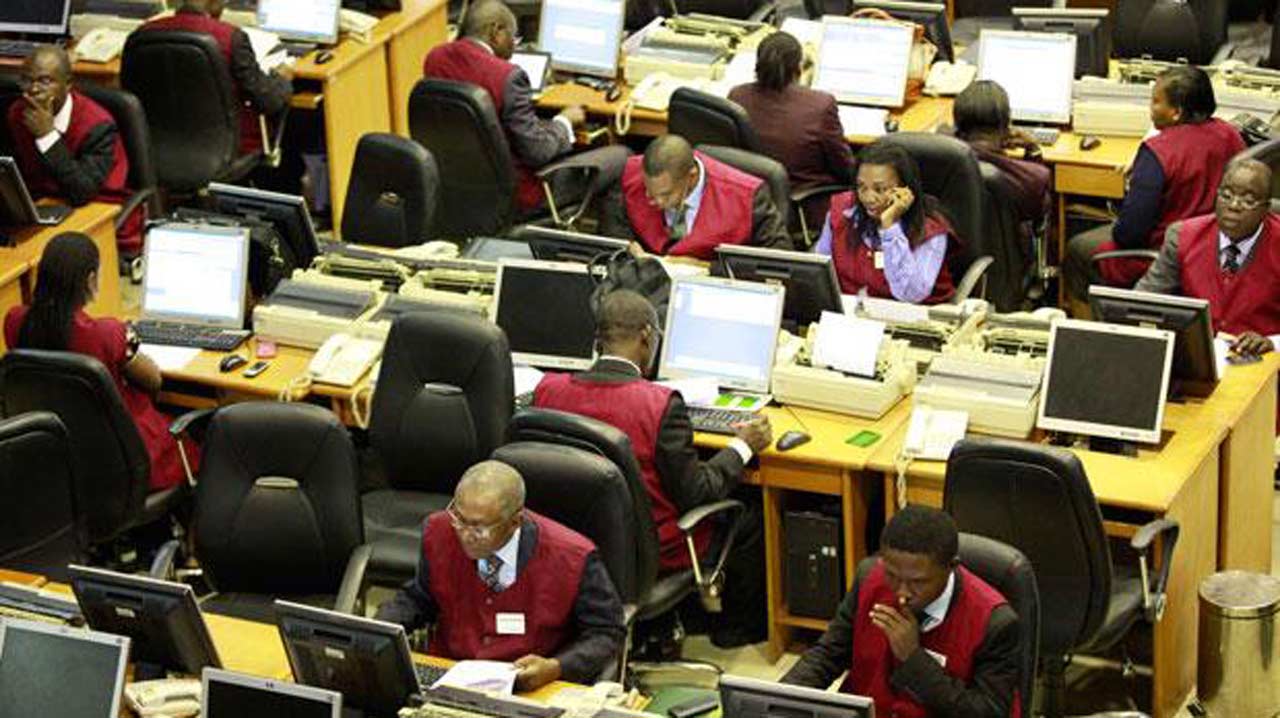
The Nigerian Exchange (NGX) is considering extending its trading hours to strengthen market liquidity and align more closely with international financial hubs. Currently operating from 10:00 a.m. to 2:30 p.m., the NGX is weighing a shift to a full-day session that would close at 5:00 p.m.
The proposal forms part of broader reforms designed to modernize the Exchange, including its adoption of a T+2 settlement cycle and ongoing efforts to attract deeper participation from both domestic and foreign investors.
Compared to global peers, the NGX’s current 4.5-hour trading window is relatively short. For instance, the London Stock Exchange runs from 8:00 a.m. to 4:30 p.m., while the New York Stock Exchange operates from 9:30 a.m. to 4:00 p.m. This shorter schedule limits investor responsiveness to market-moving news and restricts liquidity.
If adopted, longer trading hours could deliver several benefits:
- Deeper Liquidity: More time for buyers and sellers to transact could narrow spreads and improve pricing efficiency.
- Global Alignment: Extended hours would help international investors in different time zones engage with the Nigerian market.
- Broader Participation: Local professionals could trade after work hours, widening access to retail investors.
- Improved Market Responsiveness: Longer hours would enable quicker reactions to both domestic and global events.
The NGX’s adoption of the T+2 settlement framework—where transactions are finalized two business days after trade execution—has already boosted operational efficiency and reduced counterparty risks. A longer trading day would complement this system, giving brokers more time to manage order flows and reducing risk exposure through easier hedging and position adjustments.
Recent momentum in Nigeria’s capital market underscores the timing of the proposed reform. Market capitalization surpassed N50 trillion earlier this year, daily trade volumes are rising on the back of digital trading platforms, and foreign portfolio inflows are reviving as currency and inflation outlooks stabilize.
The growth of retail participation, particularly among younger Nigerians using mobile trading apps, makes the case for longer hours even stronger. Many professionals unable to trade during current hours would gain flexibility under an extended schedule.
However, practical challenges remain. Brokerage firms may face higher operational costs, including staffing and compliance expenses. There is also the risk of market fatigue if liquidity spreads too thinly across longer sessions. Ensuring the technological resilience of trading infrastructure will also be critical to avoid system downtimes.
As Nigeria seeks to position itself as a leading financial hub in Africa, extending trading hours is seen as more than a timing adjustment. It represents a structural evolution aimed at creating a more inclusive, efficient, and globally competitive market.
Long-term implications could include readiness for innovations such as 24-hour trading in select asset classes, expanded derivatives markets, and a stronger pipeline of listings.
The move, if adopted, would signal Nigeria’s commitment to building a capital market that reflects the country’s economic ambitions—dynamic, investor-friendly, and aligned with international best practices.









 is considering extending its trading hours to strengthen market liquidity and align more closely with....)