Key Points
- Nigeria records over 510,000 TB cases annually, the highest in Africa.
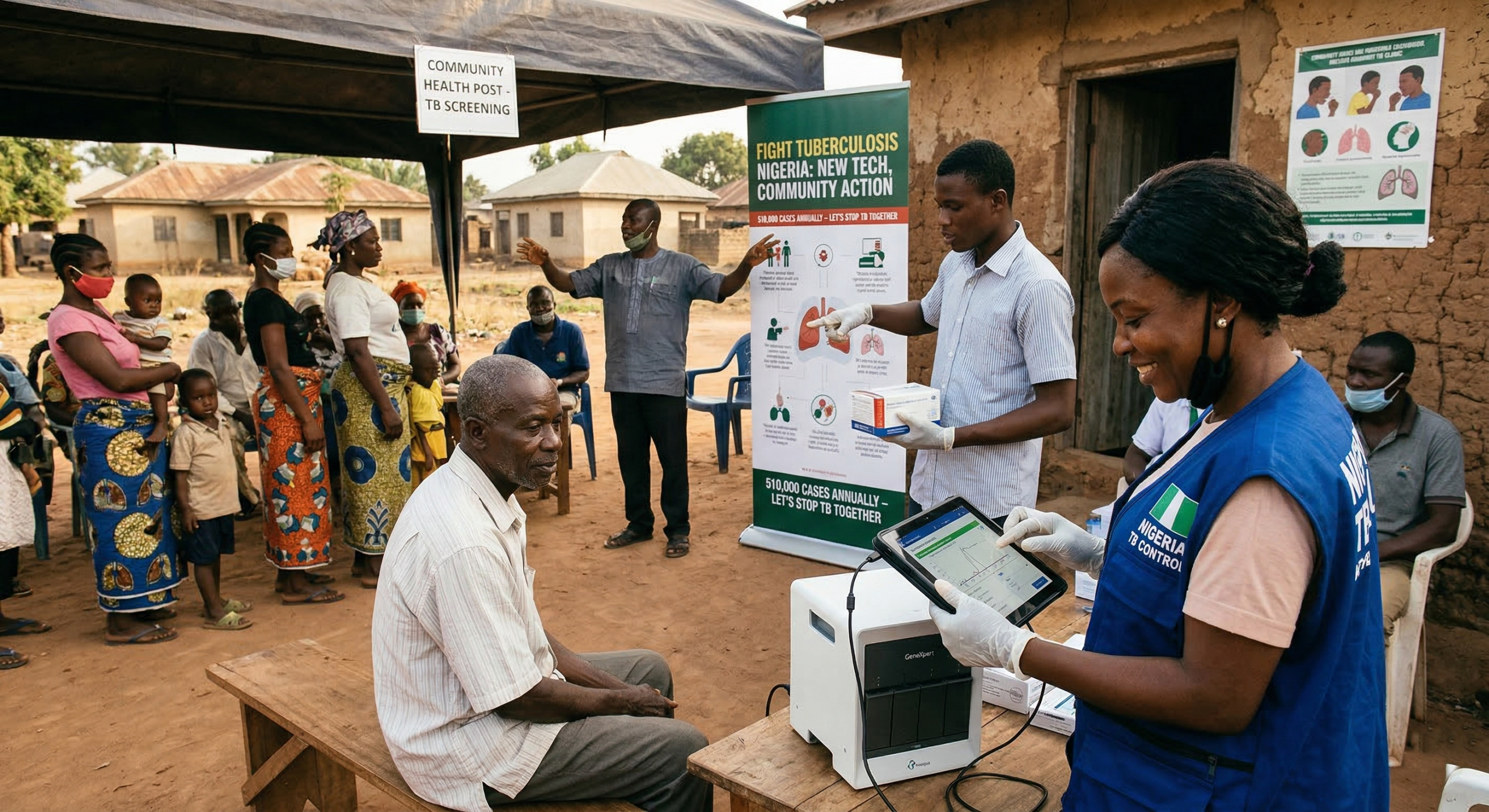
- Government is expanding testing with new diagnostic technologies and community-led efforts.
- Over 1,000 new diagnostic devices are being deployed to improve access to care.
- Experts say funding gaps, stigma, and weak health systems remain major challenges.
Main Story
Nigeria is strengthening its fight against tuberculosis (TB) through community-driven strategies, increased local funding, and the introduction of modern diagnostic technologies.
At a pre-World TB Day briefing in Abuja, health officials said the country is making progress but still faces a heavy disease burden, with more than 510,000 cases reported yearly. Nigeria remains the highest TB-burdened country in Africa and ranks sixth globally.
Dr. Charles Nzelu of the Federal Ministry of Health said the country has improved in detecting TB cases under its 2021–2026 national plan. He added that over 1,000 new diagnostic machines are being deployed to expand testing, especially in rural areas.
Officials also noted that TB is curable, with treatment typically lasting six to nine months.
The Issues
Despite progress, major challenges remain. These include:
- Persistent stigma against TB patients
- Funding shortages and reliance on donor support
- Uneven quality of healthcare services
- Weak health systems in some communities
Experts warn that poor awareness and late diagnosis continue to increase deaths, even though treatment is available.
What’s Being Said
Health experts stressed that ending TB requires both strong government leadership and active community involvement.
Dr. Queen Ogbuji-Ladipo of Stop TB Partnership Nigeria said communities play a key role in awareness, prevention, and ensuring patients complete treatment.
Mr. Joel Mayowa also emphasized that Nigeria must rely more on domestic funding, noting that TB control cannot depend only on external donors.
TB survivor Francis Ejiga shared his experience, highlighting how stigma affected his recovery. He said public education is critical to changing perceptions and encouraging people to seek treatment early.
What’s Next
The government plans to:
- Expand access to modern diagnostic tools nationwide
- Strengthen data systems for real-time tracking
- Improve supply chains to avoid drug shortages
- Increase community awareness and engagement
Stakeholders also called for stronger investment in primary healthcare and more support for TB survivors’ networks.
Bottom Line
Nigeria is making steady progress in tackling tuberculosis, but the fight is far from over. Ending TB will depend on stronger funding, better healthcare systems, and sustained community action to reduce stigma and improve early detection.