Keypoints
- The Federal Government will arraign several high-ranking suspects, including retired military officers and a police inspector, at the Federal High Court in Abuja on Wednesday, April 22, 2026.
- The 13-count charge (FHC/ABJ/CR/206/2026) includes allegations of treason, terrorism, and failure to disclose security intelligence regarding a 2025 plot to overthrow the President.
- Former Minister of State for Petroleum Resources, Timipre Sylva, is named in the charge but remains at large.
- Defendants are accused of levying war against the state and conspiring to overawe the President, offenses that carry a potential death penalty under Section 37(2) of the Criminal Code.
- The prosecution has also tracked approximately N71.8 million in alleged terrorism-linked funds handled by various defendants through non-financial channels.
Main Story
The Nigerian government is preparing for one of its most significant judicial proceedings in decades. On Wednesday, the Office of the Attorney-General will formally present a 13-count indictment against a coordinated network of military personnel and civilians accused of plotting to “overawe” the President and destabilize the constitutional order.
The suspects, who include retired Major General Mohammed Ibrahim Gana and retired Naval Captain Erasmus Ochegobia Victor, were allegedly part of a conspiracy that began in late 2025.
The case, which will be heard by Justice Joyce Abdulmalik, highlights a complex web of alleged treasonable acts and terrorism financing. Beyond the direct plot to levy war, the government is pursuing the defendants for failing to report known threats, specifically an alleged plot involving Colonel Mohammed Alhassan Ma’aji.
The indictment of Timipre Sylva, a politically exposed figure now declared at large, adds a significant layer of political intrigue to a case that has already roiled the nation’s security establishment.
The Issues
The primary challenge is the intelligence-disclosure gap; the prosecution alleges that multiple high-ranking officers had specific knowledge of the plot but deliberately suppressed it, pointing to a systemic breakdown in the military-to-civilian intelligence chain. Authorities must solve the problem of fugitive defendants, as the “at large” status of Timipre Sylva complicates the legal narrative and creates a vacuum in the accountability process. Furthermore, there is a terrorism-financing risk; the discovery of millions in cash moving outside formal financial institutions suggests that the plotters had established a shadow economy to fund their operations. To succeed, the Federal Government must provide airtight evidence that the “intent to levy war” was backed by concrete logistical preparations rather than just disgruntled rhetoric.
What’s Being Said
- “The defendants conspired with one another to levy war against the state to overawe the President,” states the charge sheet signed by Rotimi Oyedepo, SAN.
What’s Next
- The formal arraignment on Wednesday will determine the bail status of the six defendants currently in custody.
- Security around the Federal High Court in Abuja is expected to be extremely tight, with several roads leading to the court potentially cordoned off.
- A manhunt for Timipre Sylva and other “at large” collaborators is anticipated to intensify, with possible international red notices being issued through INTERPOL.
- The court is expected to set a timeline for the “trial of the century,” with legal experts predicting a protracted legal battle over the admissibility of intelligence intercepts and financial records.
Bottom Line
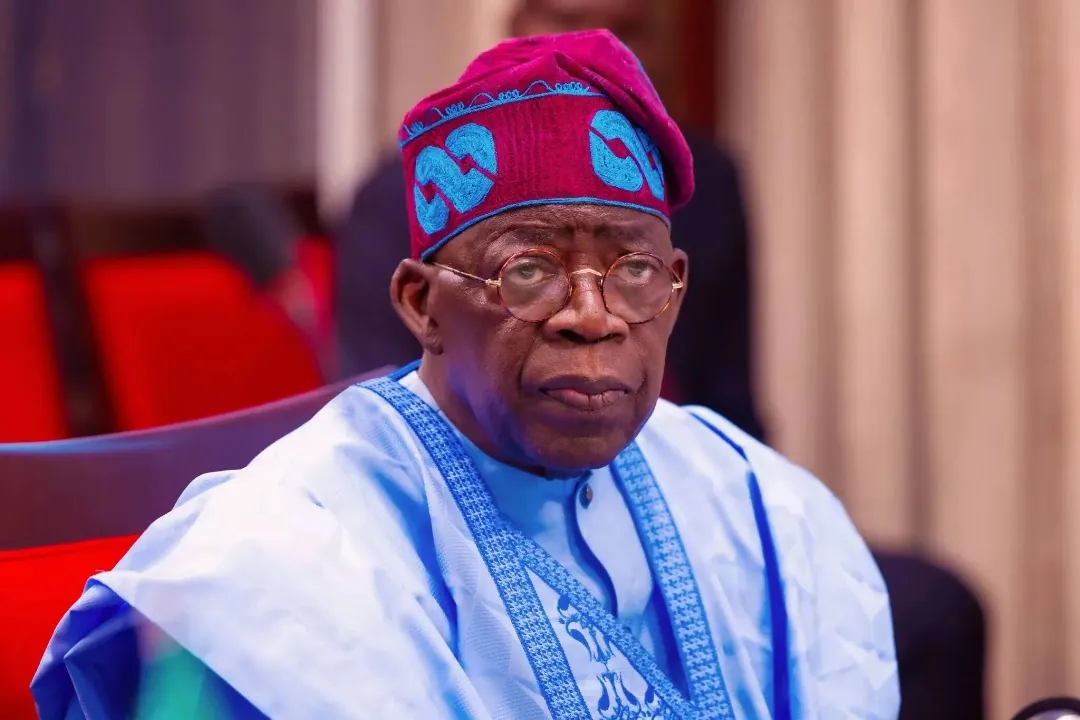
The upcoming trial in Abuja is more than a criminal case; it is a test of Nigeria’s 27-year-old democratic resilience. As the government attempts to prove a high-level conspiracy involving money, military rank, and political influence, the outcome will likely define the security landscape of the Tinubu administration for the remainder of its term.