







Keypoints
- Nigeria has reached a historic fiscal turning point, with non-oil revenue now making up 75 percent of federally collected funds as of March 2026.
- Tax revenue alone now accounts for 87 percent of total federal income, while the once-dominant oil sector’s share has plummeted to just 27 percent.
- The shift is attributed to aggressive tax reforms, including the VAT increase to 7.5 percent and centralized revenue collection under Executive Order 9.
- Oil and gas royalties saw a massive boost, with over N200 billion remitted in February 2026 alone due to new administrative policy measures.
Main Story
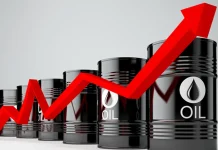
Nigeria has officially broken its long-standing fiscal reliance on crude oil, according to a March 2026 report by Quartus Economics. The report reveals that for the first time in 14 years, the country’s federal budget is primarily supported by non-oil sources, which now contribute three-quarters of all collected revenue.
This transformation marks a departure from the 2010–2014 era, when oil accounted for nearly 75 percent of the nation’s income, leaving the economy dangerously exposed to the 2014 price crash that saw per capita GDP fall from $4,322 to $1,120 by 2024.
The government reported that this “fundamental change” is the result of sustained policy measures designed to build a more durable fiscal foundation.
A key driver has been the centralization of oil and gas revenue under Executive Order 9, which helped boost royalty remittances by over N200 billion in February 2026.
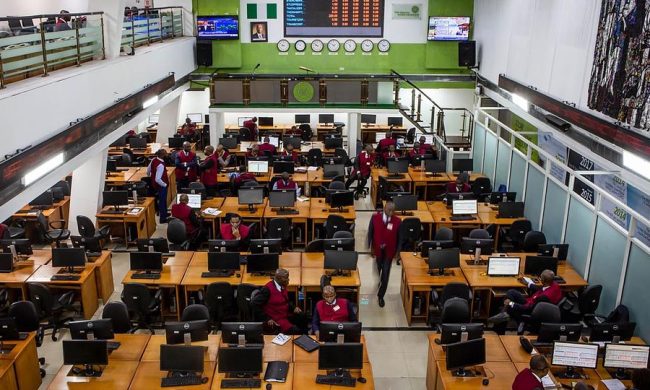
Additionally, the increase in VAT and improved tax administration have shifted the weight of federal financing toward a more predictable tax-based system, which analysts say will significantly reduce the country’s vulnerability to global commodity shocks.
The Issues
The primary challenge addressed by this shift is the “fragility” of Nigeria’s previous economic model. Historically, fluctuations in global oil prices dictated national development, leading to stunted GDP growth during market downturns. While the increase in non-oil revenue is a milestone, the government must now solve the challenge of maintaining this growth without over-burdening citizens and small businesses through excessive taxation. Furthermore, the 75 percent drop in per capita GDP over the last decade remains a significant hurdle that this new revenue base is expected to address through more stable public investments.
What’s Being Said
- “This transformation signals a fundamental change in Nigeria’s fiscal foundations,” the Quartus Economics report stated.
- The report noted that the country has moved from “fragile, oil-dependent revenues to a system largely driven by non-oil and tax sources.”
- Government officials emphasized that “citizens now have greater assurance that federal finances are less dependent on oil price swings.”
- Analysts pointed out that the revenue structure is now “supportive of public investments across all tiers of government,” allowing for more consistent long-term planning.
What’s Next
- Federal and state governments are expected to leverage this stable revenue base to increase spending on critical infrastructure and social programs.
- The Federal Inland Revenue Service (FIRS) will likely continue its drive for administrative improvements to further widen the tax net in the informal sector.
- Economists will monitor whether this fiscal stability translates into a rebound for per capita GDP, which has struggled to recover since the 2014 market crash.
Bottom Line
By pivoting from oil to tax-driven revenue, Nigeria has successfully insulated its federal budget from the volatility of the global energy market, laying the groundwork for a more predictable and sustainable economic future.