

KEY POINTS
- Deputy Speaker Benjamin Kalu has committed to leading the push for other African Union (AU) member states to domesticate the 2009 Kampala Convention.
- The pledge followed the recent signing of the Kampala Convention Domestication Bill into law by President Bola Tinubu in February 2026.
- The new law provides a legal shield for the rights and dignity of Internally Displaced Persons (IDPs) in Nigeria, mandating protection against displacement caused by conflict, disasters, and development projects.
- Kalu revealed that mechanisms are being established to ensure the convention is also domesticated at the state level across Nigeria for effective grassroots implementation.
MAIN STORY
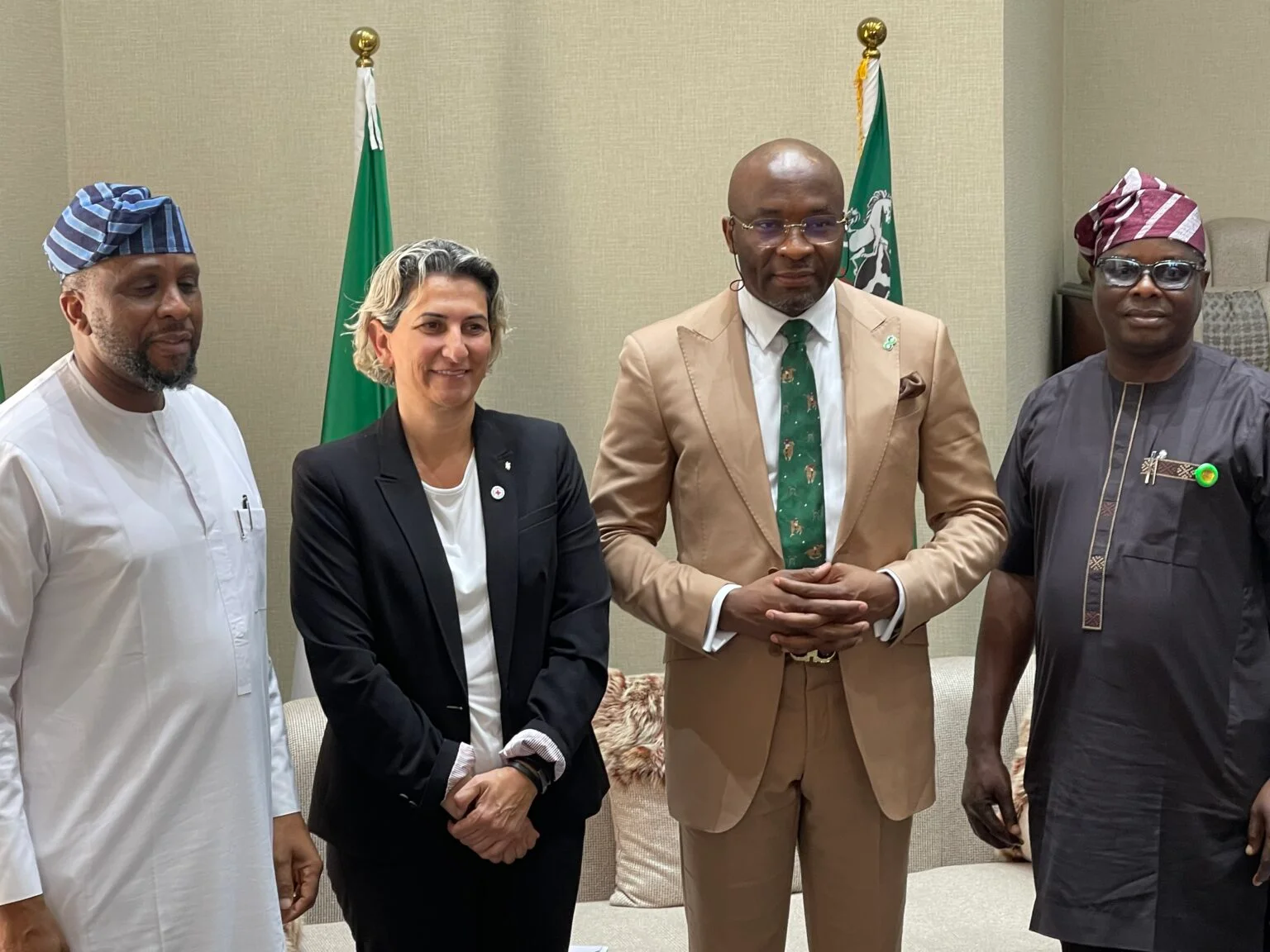
Nigeria has officially integrated the African Union’s landmark treaty on internal displacement into its national legal framework, marking a major milestone in humanitarian leadership. During an appreciation visit from the International Committee of the Red Cross (ICRC) on Tuesday in Abuja, Deputy Speaker Benjamin Kalu, the lead sponsor of the bill emphasized that Nigeria’s move serves as a long-awaited signal to the rest of the continent.
The Kampala Convention is the world’s first legally binding regional instrument dedicated to protecting the rights of people uprooted within their own borders. While Nigeria ratified the treaty in 2009, it remained largely unenforceable in domestic courts until President Tinubu’s recent assent. Kalu noted that many African nations had been “sitting on the fence,” waiting for Nigeria to take the first step before committing to their own domestication processes.
To prevent the law from becoming “dead words on the shelves,” the Deputy Speaker announced that the National Assembly would utilize its oversight powers under Sections 88 and 89 of the Constitution. This will ensure that government agencies, such as the Refugee Commission and the Budget Office, align their annual appropriations with the needs of IDP camps, specifically targeting issues like healthcare, security, and the welfare of vulnerable women and teenagers.
Kalu, who is also a member of the ECOWAS Parliament and the African Parliamentary Union, stated his intention to champion this cause internationally. By encouraging neighboring countries to adopt similar protections, he aims to create a unified regional response to displacement, ensuring that IDPs are supported within their own countries and reducing the cross-border humanitarian pressure on Nigeria.
WHAT’S BEING SAID
- “We have given a legal shield for the rights, for the dignity, for the welfare of these people… they are persons, they are citizens,” stated Deputy Speaker Benjamin Kalu.
- “Nigeria is on the right track… and has left a good example for other nations to follow,” noted Doris El-Doueihy, Leader of the ICRC delegation.
- “The parliament has what it takes… to ensure the budget reflects this domesticated convention in terms of its implementation,” Kalu added regarding oversight.
WHAT’S NEXT
- Subnational Domestication: The Deputy Speaker’s office will begin engaging with State Houses of Assembly to replicate the federal Act within state codified laws.
- Budgetary Alignment: The 2027 budget cycle is expected to reflect the first major financial commitments specifically tied to the implementation of the Kampala Convention Act.
- ECOWAS Advocacy: Rep. Kalu is scheduled to present the Nigerian domestication model at the next ECOWAS Parliamentary session to provide a roadmap for other member states.
BOTTOM LINE
The Bottom Line is that Nigeria has shifted from reactive aid to proactive legal protection for its displaced population. By domesticating the Kampala Convention, the federal government has created a binding obligation to not just house IDPs, but to actively work toward their safe resettlement and the elimination of the root causes of their displacement.





%20on...)