When the clarion call for women’s empowerment gained momentum, it signalled more than inclusion, it marked the beginning of a quiet but powerful transformation across Nigeria’s corporate landscape. Today, that transformation is most visible in the banking sector, where women are not just occupying leadership positions, but redefining them.
For decades, Nigeria’s banking halls reflected a familiar pattern, women filled operational roles while executive leadership remained largely male-dominated. But that narrative has shifted, deliberately, decisively, and irreversibly. The contributions of women are no longer hidden in the background; they are reflected in profit margins, balance sheet strength, and institutional growth.
The 21st-century Nigerian banking woman now occupies some of the most powerful seats in the financial system, steering institutions that collectively manage trillions of naira in assets. Their rise is not driven by sentiment, but by competence, resilience, and institutional mastery.
This is the story of a new generation of female leaders reshaping the architecture of Nigeria’s financial future.
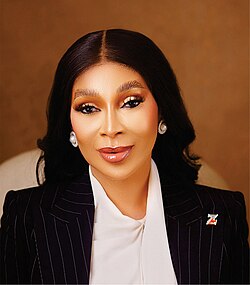
Adaora Umeoji: engineering scale and stability at Zenith Bank


Adaora Umeoji stands as a defining figure in Nigeria’s banking leadership. As Group Managing Director/Chief Executive Officer of Zenith Bank, she represents a historic shift, becoming the first female to lead the institution in over three decades.
Umeoji leads with deep institutional knowledge, strategic foresight, and operational discipline. Her leadership reflects a commitment to balance sheet strength and sustainable profitability.
Under her direction, Zenith Bank delivered strong 2025 performance, with gross earnings of ₦4.19 trillion, Profit Before Tax of ₦1.26 trillion, and Profit After Tax of ₦1.04 trillion. Despite macroeconomic pressures, the bank strengthened asset quality, expanded deposits to ₦24 trillion, and maintained robust capital adequacy and liquidity ratios.
Her approach reinforces Zenith Bank’s position as one of Nigeria’s most resilient and profitable financial institutions.
Yemisi Edun: driving inclusive growth at FCMB
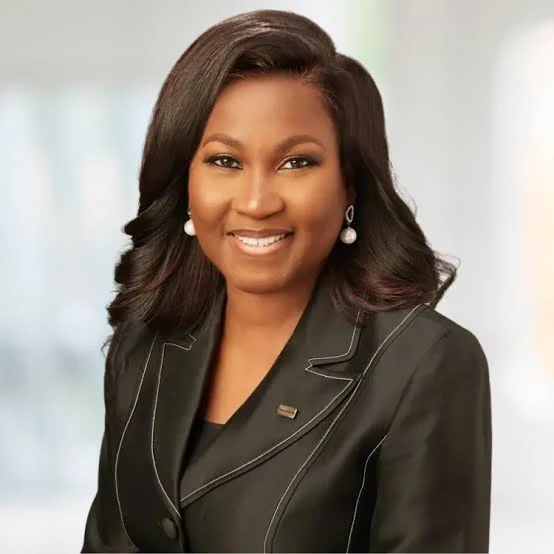
Yemisi Edun is a technically grounded and impact-driven leader at the helm of First City Monument Bank.
With a background in finance, audit, and accounting, Edun brings analytical precision and regulatory discipline to her leadership. Her career progression, rising from Chief Financial Officer to Acting Managing Director and ultimately CEO, reflects merit-based leadership.
Under her leadership, FCMB has embraced an impact-driven banking model, focusing on financial inclusion and SME support. The bank recorded ₦200.9 billion in Profit Before Tax (2025), representing a 79% increase year-on-year, alongside ₦176.9 billion Profit After Tax.
Her leadership signals a shift towards inclusive profitability, where financial performance aligns with broader economic empowerment.
Miriam Olusanya: sustaining excellence at GTCO
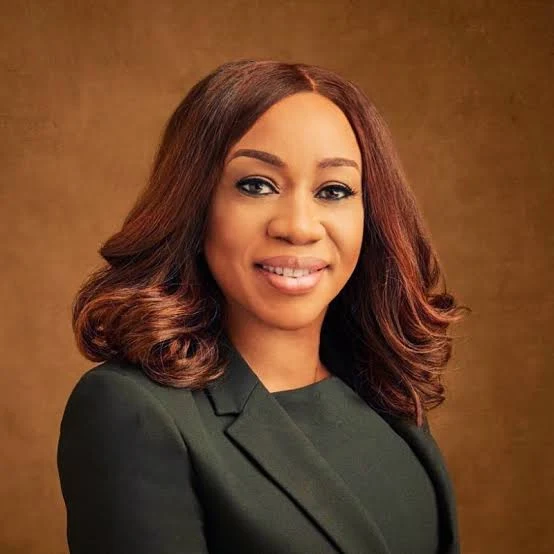
Miriam Olusanya continues to strengthen the legacy of Guaranty Trust Bank with a leadership style rooted in discipline, consistency, and operational excellence.
With over two decades of internal progression within GTCO, Olusanya represents continuity and institutional mastery. Her leadership is defined by strong risk management, digital innovation, and shareholder value creation.
The Group recorded ₦865.75 billion Profit After Tax for 2025, alongside a ₦1.23 trillion Profit Before Tax, driven by growth in interest income and fee-based services. The bank also declared a ₦12.76 per share dividend, reinforcing its reputation for consistent returns.
Her leadership underscores GTCO’s position as one of Nigeria’s most efficient and resilient financial institutions.
Ireti Samuel-Ogbu: global standards, local impact

Ireti Samuel-Ogbu leads Citibank Nigeria with a strong emphasis on global best practices and institutional excellence.
With over three decades of experience across continents, she has built a reputation for regulatory compliance, corporate banking expertise, and financial innovation. Her leadership is rooted in global standards, ensuring the bank remains aligned with international financial systems.
Samuel-Ogbu’s impact is evident in Citi’s sustained focus on corporate clients, treasury services, and cross-border financial solutions, reinforcing its role as a key player in Nigeria’s institutional banking space.
Yetunde Oni: restoring strength at Union Bank

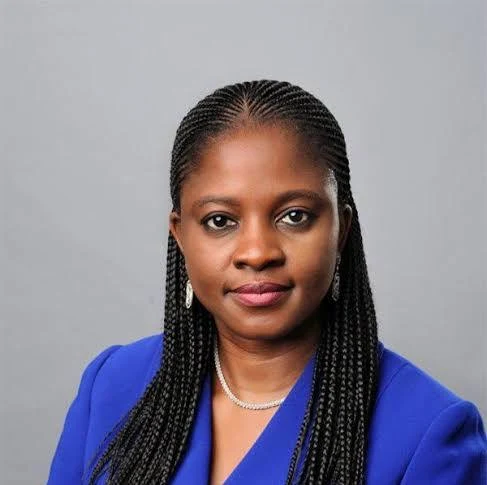
Yetunde Oni is leading a critical transformation at Union Bank of Nigeria, focusing on stability, recovery, and long-term growth.
With over 30 years of experience, Oni is known for her ability to turn around underperforming institutions. Her leadership has prioritised risk management, operational efficiency, and digital transformation.
Union Bank’s 2025 performance reflects steady recovery, with gross earnings of approximately ₦620 billion, Profit Before Tax of ₦95 billion, and Profit After Tax of ₦78 billion. Customer deposits rose to over ₦2.5 trillion, while asset quality improved through reduced non-performing loans.
Her tenure is defined by rebuilding trust and restoring financial strength.
Bukola Smith: redefining merchant banking at FSDH


Bukola Smith leads FSDH Merchant Bank with a focus on innovation, advisory excellence, and capital market leadership.
With over three decades of experience, Smith has driven growth across investment banking, asset management, and structured finance. Her leadership is marked by strategic depth and a strong commitment to client-centric solutions.
While audited 2025 financial results are not publicly disclosed, her tenure has strengthened the bank’s core advisory services and expanded its market relevance. She has also been recognised for advancing SME financing and women-focused initiatives.
Her leadership reinforces FSDH’s position as a trusted partner in Nigeria’s financial ecosystem.
Collectively, these women represent more than individual success stories—they embody a structural shift in Nigeria’s financial leadership. Their rise signals a new era where leadership is defined not by gender, but by competence and results.
Bottom line
The emergence of women at the helm of Nigeria’s top financial institutions is not symbolic, it is transformational. these women are not just leading banks. They are redefining the future of Nigerian banking; one balance sheet at a time.