










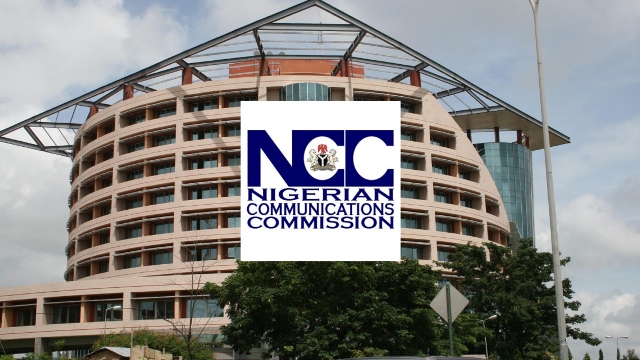
The Nigerian Communications Commission (NCC) has announced a significant shift toward more aggressive consumer protection measures for 2026. This decision comes as a response to persistent service gaps, network congestion, and frequent disruptions that continue to affect users despite a major increase in infrastructure investment and broadband availability across the country.
While the sector saw a recovery in 2025 following years of economic and logistical constraints, the regulator has acknowledged that the resulting improvements in service quality have been inconsistent, leaving many subscribers frustrated with patchy data speeds and slow resolution of technical complaints.
According to data released by the commission in its New Year address, 2025 was a landmark year for infrastructure, with telecom operators deploying or upgrading over 2,800 sites. This expansion pushed Nigeria’s broadband penetration past the 50 percent milestone for the first time, reaching 50.58 percent by December.
Total broadband subscriptions climbed to 109.6 million, a notable rise from 96.3 million a year prior. Furthermore, 4G technology has officially become the dominant connection type in Nigeria, accounting for 52 percent of mobile connections and surpassing the older 2G networks, which still hold a 38 percent market share.
However, this growth in connectivity has been met with an unprecedented surge in data consumption that is currently straining network capacity. Monthly mobile data usage in Nigeria jumped from 518,000 terabytes in early 2023 to over 1.23 million terabytes by late 2025, representing an increase of approximately 140 percent.
This explosion in demand has led to significant congestion in high-density urban centers. While median 4G download speeds have improved by 24 percent to reach 20 Mbps, users still report frequent outages often linked to fiber cuts, power failures at base stations, and infrastructure vandalism.
In response to these challenges, NCC Executive Vice Chairman Aminu Maida has placed service quality at the heart of the 2026 regulatory agenda. The commission plans to implement stricter oversight of billing accuracy, tariffs, and customer-care standards.
The regulator will also enforce tighter incident-reporting requirements to ensure that operators resolve major network failures more quickly. One successful initiative already in place involves a collaboration with the Central Bank of Nigeria to ensure that consumers receive automatic and timely refunds for failed data and airtime transactions.
Looking forward, the NCC’s 2026 strategy is aligned with the federal government’s goal of building a $1 trillion digital economy by 2030. Key projects like Project BRIDGE, which aims to deploy 90,000 kilometers of fiber-optic cable, are expected to provide the necessary backbone to support the country’s rising digital needs. Beyond physical infrastructure, the regulator is also strengthening the Internet Code of Practice to combat cyberbullying, fraud, and harmful content, while introducing a revised Corporate Governance Code to hold telecom boards more accountable for their service delivery and market discipline.








 has announced a significant shift toward more aggressive consumer protection measures for 2026. This decision comes as a response to persistent service gaps, network congestion, and frequent disruptions that continue to affect users despite a major increase in infrastructure investment and broadband availability across the country.)