

KEY POINTS
- NBMA has launched a train-the-trainer programme to strengthen biosafety, biosecurity and biorisk management in Nigeria.
- The initiative is being implemented in collaboration with the National Open University of Nigeria.
- Experts say strengthening technical capacity and public awareness is critical to the safe application of biotechnology.
MAIN STORY
The National Biosafety Management Agency (NBMA) has launched a capacity-building programme aimed at strengthening biosafety, biosecurity and biorisk management across Nigeria’s scientific and regulatory landscape.
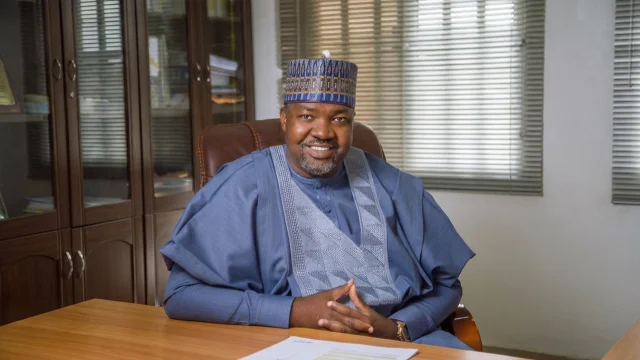
Director-General of the agency, Bello Bawa Bwari, made this known during a Train-the-Trainer Capacity Building Programme held in Abuja and organised in collaboration with the National Open University of Nigeria (NOUN).
Bwari said the initiative comes at a time when biotechnology and life sciences are increasingly transforming sectors such as agriculture, medicine, environmental management and scientific research in Nigeria.
According to him, the rapid advancement of biotechnology presents new opportunities for national development while also requiring strong regulatory systems to ensure safety, responsible use and public confidence.
THE ISSUES
Experts say that while biotechnology offers significant benefits for food security, healthcare innovation and environmental sustainability, it also carries potential biological risks that must be carefully managed.
Without adequate biosafety frameworks and trained personnel, the deployment of modern biological technologies could pose risks to human health, biodiversity and ecosystems.
WHAT’S BEING SAID
Bwari emphasised that the agency remains committed to strengthening Nigeria’s capacity to manage biological risks and ensure compliance with national and international biosafety standards.
“As the national regulatory authority responsible for biosafety and biosecurity in Nigeria, we remain firmly committed to strengthening national capacity to effectively manage potential biological risks,” he said.
He noted that the training programme is designed to equip participants with the skills needed to transfer knowledge within their institutions, professional networks and communities.
Participants are expected to undergo intensive sessions covering biosafety principles, biosecurity practices, biorisk management systems, waste management and strategies for effective community engagement.
Also speaking at the event, Deputy Vice-Chancellor of the National Open University of Nigeria, Christine I. Ofulue, described the workshop as the first activity under a recently signed Memorandum of Understanding between the university and NBMA.
She said biosafety has become an increasingly critical priority globally as advances in biotechnology, genetic research and modern agricultural innovation continue to accelerate.
“Biosafety helps prevent harm to human health, protects biodiversity and safeguards our ecosystems from unintended consequences,” she said.
WHAT’S NEXT
The training is expected to create a network of certified trainers who will further disseminate knowledge on biosafety and biosecurity across academic institutions, research organisations and regulatory bodies.
Stakeholders say the initiative will also support Nigeria’s broader development agenda by promoting responsible innovation and strengthening public awareness of biotechnology practices.
BOTTOM LINE
By investing in training and knowledge transfer, NBMA aims to strengthen Nigeria’s biosafety ecosystem, ensuring that advances in biotechnology are applied responsibly while safeguarding public health, biodiversity and the environment.




%20has%20launched%20a%20capacity-building%20programme%20aimed%20at%20strengthening%20biosafety,...)