

Keypoints
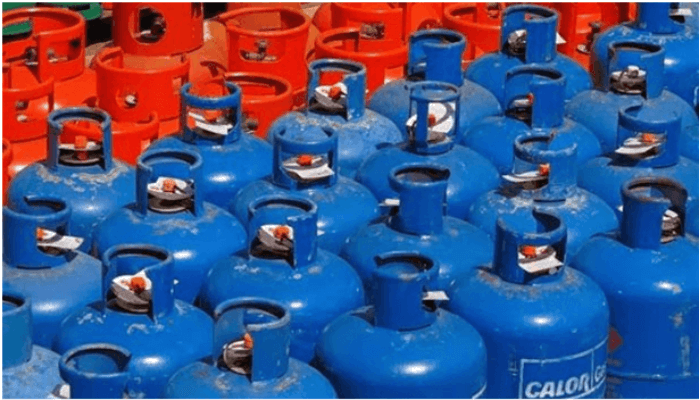
- The Nigerian Association of Liquefied Petroleum Gas Marketers (NALPGAM) has linked the current spike in cooking gas prices to a combination of domestic supply shortages and international market pressures.
- Marketers are facing increased difficulty in obtaining products due to less frequent allocations from major local sources.
- International energy benchmarks and foreign exchange dynamics remain primary drivers of the rising costs at the depot level.
- Industry leaders remain optimistic that long-term investment in gas infrastructure will eventually stabilize the market.
Main Story
According to a report by the News Agency of Nigeria (NAN), the president of NALPGAM, Mr. Edu Inyang, stated on Sunday in Lagos that the domestic LPG market is currently weathering significant volatility.
The agency noted that a reduction in local supply volumes, particularly from the Dangote Refinery, has made it increasingly difficult for marketers to access the product. Inyang reported that some off-takers have been unable to secure steady supplies for extended periods, leading to a ripple effect that hits the final consumer.
NAN highlighted that even when supply is available from the Nigeria LNG Ltd. (NLNG), it often comes at a higher cost that depot operators must pass down.
The report detailed how the Nigerian market is not insulated from global energy shocks, with international price movements and the cost of imported inputs playing a major role in domestic pricing. It was further mentioned that private depot operators are forced to factor in high landing and operational costs, which prevents them from selling below certain price points without incurring losses.
The Issues
The core issue lies in the structural vulnerability of Nigeria’s gas supply chain to both internal production hitches and external price hikes. NALPGAM identified the inconsistency of product allocations as a major hurdle for marketers. Additionally, the reliance on foreign exchange for various inputs means that any currency fluctuation immediately translates into higher retail prices for cooking gas, placing an extra burden on Nigerian households.
What’s Being Said
- “Obtaining the product has become increasingly difficult, with allocations no longer as frequent as before,” stated Mr. Edu Inyang, NALPGAM President.
- Inyang noted that “Nigeria is not insulated from global energy shocks,” and that developments abroad inevitably dictate local trends.
- “Private depot operators cannot sell below their landing and operational costs,” the association president explained regarding the current retail reality.
- He added that while the market is in a difficult cycle, “with the right investments, supply will improve and prices will stabilise.”
What’s Next
- Industry observers will be looking for a response from major producers like NLNG and the Dangote Refinery regarding plans to increase domestic allocations.
- The federal government may face renewed calls to provide foreign exchange interventions for gas importers to help moderate landing costs.
- Market analysts expect a push for the accelerated development of new gas processing plants to reduce the country’s exposure to international price volatility.
Bottom Line
The surge in cooking gas prices is a direct result of a supply-demand imbalance worsened by global economic factors, leaving consumers at the mercy of a market that requires urgent infrastructure investment to achieve stability.






,%20the%20president%20of%20NALPGAM,%20Mr.%20Edu%20Inyang,%20stated%20on%20Sunday%20in%20Lagos%20...)