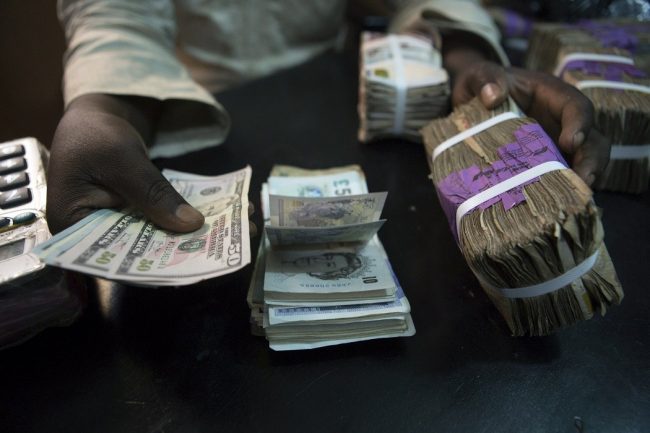







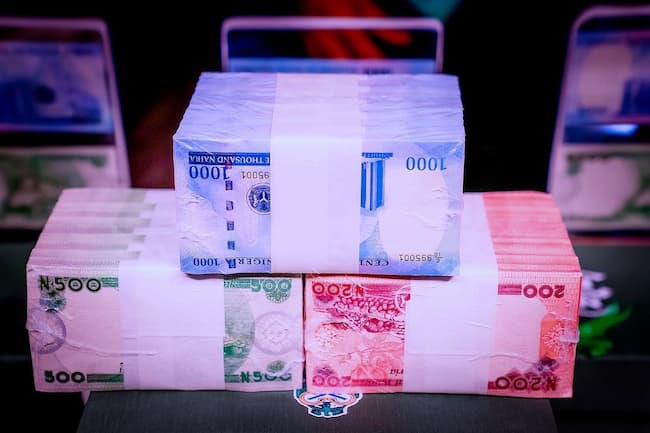
The Nigerian naira faced downward pressure on Wednesday, depreciating against the US dollar due to increased demand in the official foreign exchange window, despite positive signals from the nation’s external reserves.
Fresh figures from the Central Bank of Nigeria (CBN) showed the spot exchange rate settled at ₦1,530.25 per US dollar. Market activity saw the rate fluctuate, peaking at ₦1,533 and briefly hitting an intraday low of ₦1,527 before closing at ₦1,531.
This decline came even as Nigeria’s foreign reserves continued their upward trajectory, climbing to $37.638 billion earlier this week. Analysts attribute this growth to stronger crude oil output and a deceleration in the CBN’s FX interventions.
Nigeria’s crude oil sector recorded notable improvements in June 2025, achieving the OPEC production quota for the first time in five months. The Nigerian Upstream Petroleum Regulatory Commission (NUPRC) reported a 3.6% rise in average daily crude oil output (excluding condensates), increasing to 1.51 million barrels per day (mbpd) from May’s 1.45 mbpd. Including condensates, the total liquid output stood at 1.69 mbpd.
Despite improving reserves, the CBN appears to have reduced its dollar supply to commercial banks in the second half of the year. In H1 2025, the apex bank expended $4.7 billion in its efforts to support the naira amid declining foreign investor confidence and portfolio exits.
While capital outflows have recently eased, some financial analysts caution that falling yields on government securities—such as treasury bills, FGN bonds, and OMO instruments—could revive risks of renewed investor flight if the trend continues.