




By Boluwatife Oshadiya | March 27, 2026
Key Points
- Naira appreciates to ₦1,383.88/$ at official market, up from ₦1,386.70
- FX inflows from investors and exporters boost market liquidity
- Parallel market spread narrows, signalling improving currency stability
Main Story
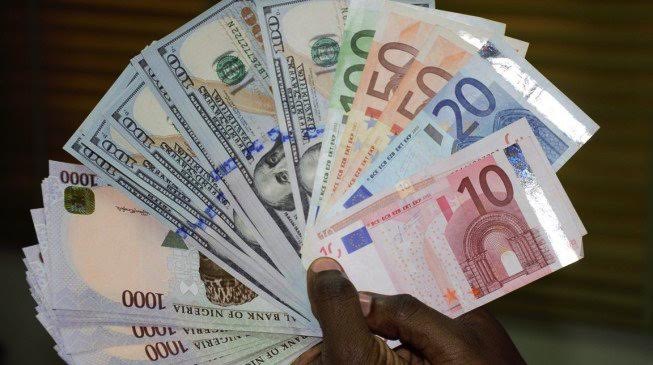
The Nigerian naira recorded modest gains against the US dollar on Thursday, supported by easing demand for foreign exchange linked to international payments and import obligations.
Data from the Central Bank of Nigeria (CBN) showed the official exchange rate strengthened by 20 basis points to ₦1,383.88 per dollar, compared to ₦1,386.70 in the previous session.
The appreciation reflects improved FX liquidity, driven by inflows from foreign portfolio investors, exporters, and non-bank corporates. Intraday trading on the official platform ranged between ₦1,375 and ₦1,391, indicating relative stability in supply-demand dynamics.
In the parallel market, the naira also firmed to approximately ₦1,405 per dollar after earlier weakening to ₦1,420, narrowing the spread between official and informal markets to about ₦21.12.
Despite the currency gains, Nigeria’s external reserves declined slightly by 0.09% to $49.53 billion, reflecting continued outflows tied to foreign debt servicing and other obligations.
“The improved liquidity in the FX market is helping stabilise the naira, though underlying pressures remain,” a Lagos-based currency analyst told BizWatch Nigeria.
What’s Being Said
“The narrowing spread between official and parallel markets is a positive signal for investor confidence,” said a financial market analyst at a Lagos investment firm
“Sustained inflows will be critical to maintaining this stability,” noted a senior trader in the FX market
What’s Next
- The CBN is expected to sustain FX interventions to stabilise the naira
- Market participants will monitor external reserves for signs of sustained pressure
- Upcoming monetary policy decisions could influence currency direction in Q2 2026
The Bottom Line:
The naira’s rebound signals improving short-term liquidity conditions, but structural pressures—particularly external obligations and reserve depletion—continue to pose risks to sustained currency stability.