









Key Points
- The Nigerian Ports Authority (NPA) has announced that 43 ships carrying petroleum products, food items, and essential goods are expected at Lagos ports between March 31 and April 8.
- Arrivals are scheduled for the Apapa, Tin-Can Island, and Lekki Deep Sea ports.
- Of the expected vessels, 19 are container ships, while the remaining 24 carry bulk commodities including urea, clinker, and base oil.
- Currently, 21 ships are actively discharging cargo, while 18 vessels are anchored and waiting to berth.
Main Story
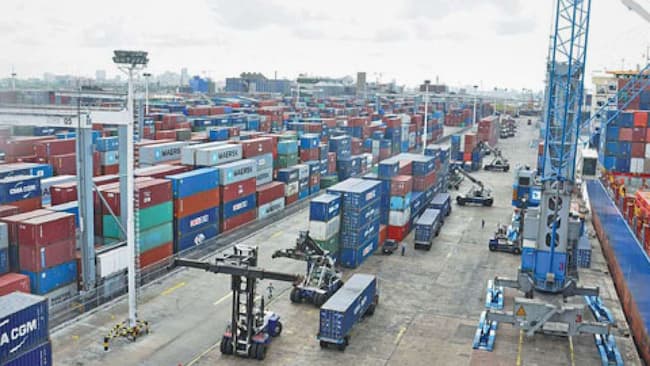
The Nigerian Ports Authority (NPA) reported a significant surge in maritime traffic, with 43 vessels laden with petroleum products, food, and industrial raw materials expected to arrive at Lagos ports over the next week.
Disclosing this in its daily “Shipping Position” publication on Tuesday, the NPA stated that the influx of goods is destined for the Apapa, Tin-Can Island, and Lekki Deep Sea ports.
The scheduled arrivals, spanning from March 31 to April 8, highlight a period of intensified activity across Nigeria’s primary maritime gateways.
According to the authority, the cargo breakdown includes 19 ships carrying various containerized goods, while 24 vessels are bringing in bulk shipments such as urea, clinker, and base oil.
Other essential commodities expected include aviation fuel, diesel, petrol, fresh fish, soya beans, and bulk sugar. This volume of imports is critical for maintaining the national supply chain for both energy and food staples amidst ongoing global market fluctuations.
The Issues
The primary operational challenge at the Lagos ports remains the “Berthing Bottleneck.” While the NPA has recorded high arrival numbers, there are currently 18 ships—including tankers carrying petrol and aviation fuel—waiting at anchorage because berths are occupied. This delay in docking can lead to increased demurrage costs, which are often passed down to consumers, further impacting the cost of living. Managing the simultaneous discharge of 21 vessels while coordinating the arrival of 43 more requires precise logistics to prevent gridlock at the Apapa and Tin-Can corridors.
What’s Being Said
- The NPA confirmed that the expected vessels contain a diverse mix of “petroleum products, food items and other goods” essential for the economy.
- Industry analysts note that the arrival of bulk urea and fertilizers is particularly timely for the commencement of the agricultural season.
- Port officials stated that 21 ships are “presently discharging” a variety of items, including crude oil, fresh fish, and general cargoes, at the three major ports.
- The “Shipping Position” report indicates that the Lekki Deep Sea Port is increasingly playing a vital role in handling larger volumes alongside the traditional Apapa and Tin-Can facilities.
What’s Next
- Port managers are expected to fast-track the turnaround time for the 21 ships currently discharging to create space for the 18 vessels waiting at anchorage.
- Coordination between the NPA and the Nigeria Customs Service will be critical to ensure the speedy clearance of the 19 container ships expected this week.
- Market observers will monitor the arrival of the petrol and diesel tankers to see if the increased supply helps stabilize domestic fuel prices.
- Ongoing infrastructure projects around the Lekki-Epe corridor will be tested as the Lekki Deep Sea Port handles its share of the 43 expected vessels.
Bottom Line
The arrival of 43 ships signals a robust period for Nigerian trade, but the “waiting to berth” status of 18 vessels serves as a reminder of the capacity pressures facing Lagos ports. For the average Nigerian, the successful and rapid offloading of these food and fuel cargoes is essential to keeping inflation in check during a volatile economic window.










 reported a significant surge in maritime traffic, with 43 vessels laden with petroleum products, food, and industrial raw materials expected to arrive at Lagos ports over the next week.)