

KEY POINTS
- Lagos residents are struggling with a severe heatwave, describing the combination of rising temperatures, erratic power, and high fuel prices as harmful to health.
- Health issues such as skin rashes, dehydration, and exhaustion are being widely reported across communities like Agege, Ogba, Ikorodu, and FESTAC.
- Infrastructure failures, specifically the lack of stable electricity and the high cost of petrol for generators, have left many without any means of cooling.
- Experts attribute the intensity of the heat to climate change, high humidity levels (70–80%), and the rapid urbanization that has turned Lagos into a “concrete jungle.”
MAIN STORY
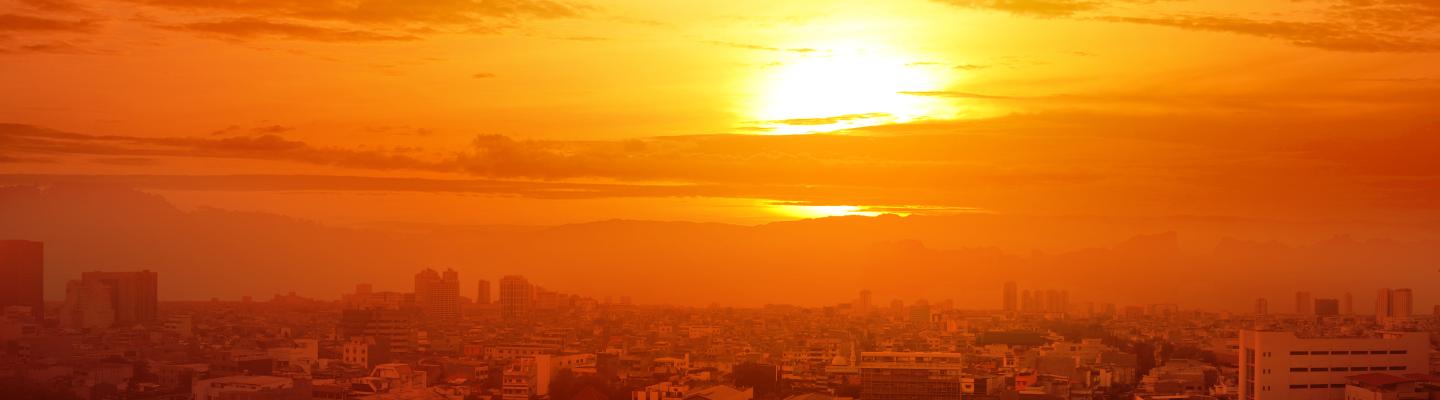
Residents across several communities in Lagos have decried the intense heatwave and erratic electricity supply, describing the situation as unbearable and harmful to their health. Many who spoke to the News Agency of Nigeria (NAN) noted that the rising temperatures have made daily life difficult, particularly as the high cost of fuel prevents them from powering generators for cooling devices.
In areas like Ijaye and Agege, residents report receiving power for only about eight hours a day, often missing supply during the hottest peak hours. Miss Tomiwa Ajayi, an Ijaye resident, noted that many are forced to rely on simple measures like drinking excessive water and staying in shaded areas just to manage.
Similarly, in Ikorodu and Ogba, the heat has become so intense that residents report sleeping on floor tiles and bathing multiple times a day to find relief.
The crisis is also taking a physical toll. Residents reported the appearance of heat rashes on both adults and children, with some noticing skin darkening and persistent itching. Mrs. Gladys Okpara of FESTAC highlighted that the increase in the pump price of petrol has “added salt to injury,” making fans and air conditioners a luxury even for those who own generators. Consequently, some citizens are taking out loans to install solar energy systems, which can cost up to 1.7 million Naira for a standard two-bedroom flat.
Environmental experts link the current conditions to years of environmental neglect. Mr. Philip Jakpor of the Renevlyn Development Initiative explained that Nigeria’s reliance on fossil fuels and the replacement of trees with concrete surfaces have exacerbated the climate crisis. Mr. Suleiman Arigbabu of HEDA Resource Centre added that while temperatures are between 27°C and 30°C, the 80% humidity makes the heat feel significantly more intense.
To mitigate health risks, medical professionals like Dr. Jonathan Esegine are urging residents to drink at least two to three litres of water daily. Experts recommend wearing lightweight, light-coloured clothing and staying indoors between 11 a.m. and 3 p.m. when ultraviolet radiation is at its highest.
WHAT’S NEXT
- Environmentalists are calling on the government to prioritize urban reforestation and policies that reduce greenhouse gas emissions to mitigate future heatwaves.
- Health officials are expected to increase awareness campaigns regarding the signs of heatstroke and meningitis, which can be triggered by extreme temperatures.
- Energy stakeholders urge a swifter transition to renewable energy to provide residents with affordable, off-grid cooling solutions that bypass the expensive fossil fuel market.
WHAT’S BEING SAID
- “The current heat wave in Nigeria is not a mystery. It is simply the culmination of years of neglect of the advice of environmentalists,” said Mr. Philip Jakpor.
- “Increase in pump price of petrol added salt to injury as some owners of generators can’t afford petrol to run them,” noted Mrs. Gladys Okpara.
- “Standardisation is very important… when incidents happen, it affects the perception of the entire solar technology,” mentioned Sunit Arya (Simba Solar) regarding the push for reliable alternatives.
BOTTOM LINE
The Bottom Line is that the convergence of climate change and failing infrastructure has created a public health emergency in Lagos. Without urgent government intervention in the power sector and a commitment to urban greening, residents will continue to face “unbearable” conditions that threaten both their health and economic stability.





%20noted%20that%20the%20rising%20temperatures%20have%20made%20daily%20life%20difficult,%20particularly%20as%20the%20high%20cost%20of%20fuel%20prevents%20them%20from%20powering%20generators%20for%20cooling%20devices.)