








Key Points
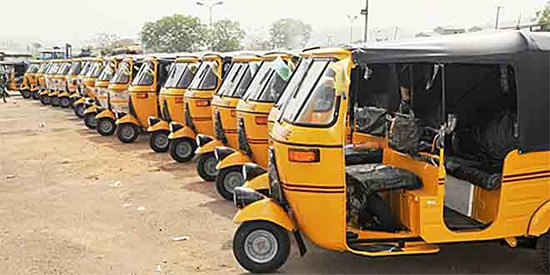
- Commercial tricycle operators in Kaduna are adopting Compressed Natural Gas (CNG) to combat rising petrol prices.
- Daily fuel expenses for some operators have dropped from ₦15,000 to approximately ₦2,500.
- Weekly profits for certain drivers have increased from ₦20,000 to as much as ₦50,000.
- Commuters are starting to benefit from slight fare reductions on specific routes.
- Challenges to wider adoption include a limited number of refueling stations and the high initial cost of tricycles.
Main Story
The adoption of Compressed Natural Gas (CNG) is reviving the livelihoods of commercial tricycle operators in Kaduna following the 2023 removal of fuel subsidies.
Findings show that many operators who previously struggled with high petrol costs sometimes spending over ₦200,000 monthly, are returning to the trade as fuel expenses plummet.
By switching to CNG, operators report that their monthly fuel spend has dropped to an average of ₦75,000, allowing for a take-home profit exceeding ₦100,000.
This transition is also providing relief to passengers, with some fares dropping by ₦50 to ₦100 as operational costs decrease.
Beyond immediate financial gains, experts note that CNG offers environmental benefits by burning cleaner than petrol, which improves urban air quality.
While the shift has created new opportunities in vehicle maintenance and gas supply, the growth of the sector remains hampered by a lack of refueling infrastructure and the steep cost of acquiring new CNG-powered units.
The Issues
- Operators face “limited number of CNG refuelling stations,” which creates a bottleneck for expansion.
- The “cost of acquiring the tricycles” remains a significant barrier to entry for many low-income operators.
- The removal of fuel subsidies in 2023 initially forced many into poverty or out of the trade entirely.
- Maintaining a steady “gas supply” is critical to ensuring the sustainability of the current profit margins.
What’s Being Said
- “Before now, I spent up to ₦15,000 daily on fuel, sometimes, I returned home with almost nothing.” — Musa Abdullahi
- “I almost left this work in 2025 because I couldn’t cope with fuel costs, but now with CNG, it is more affordable.” — Ibrahim Sadiq
- “It may not be much, but it is helping us manage the situation.” — Mrs. Amina Sule, on fare reductions
- “If this continues, we will be able to stand on our feet again.” — Musa Abdullahi
What’s Next
- Stakeholders expect the transition to continue creating opportunities along the “value chain,” particularly in maintenance.
- Pressure may increase on the government or private sector to establish more “refuelling stations” to support the growing demand.
- Further fare reductions could occur if more operators transition, increasing competition and lowering costs for commuters.
- Experts will likely monitor the “air quality in urban centres” to quantify the environmental impact of the cleaner-burning fuel.
Bottom Line
Economic Revival. The shift to CNG in Kaduna is significantly boosting the profitability of tricycle operators and offering marginal relief to commuters, though infrastructure gaps remain a primary challenge to full-scale adoption.








 is reviving the livelihoods of commercial tricycle operators in Kaduna following the 2023 ...)