










By Boluwatife Oshadiya
Key Points
- The Joint Admissions and Matriculation Board (JAMB) says UTME candidates will be allowed to use personal computers for examinations from 2027.
- JAMB Registrar, Prof. Ishaq Oloyede, said the initiative would reduce operational challenges and improve examination efficiency.
- The board plans to deploy flash-drive-based security measures to prevent examination malpractice.
- JAMB also announced the top-performing candidates in the 2026 UTME, with Jesudunsin Owoeye emerging highest scorer with 372 marks.
- The board says additional digital innovations will be introduced to strengthen examination integrity and candidate experience.
Main Story
The Joint Admissions and Matriculation Board (JAMB) has announced plans to allow candidates sitting for the Unified Tertiary Matriculation Examination (UTME) to use personal computers for the examination beginning from 2027.
JAMB Registrar, Prof. Ishaq Oloyede, disclosed the development on Monday during the 2026 Policy Meeting on Admissions into Tertiary Institutions held in Abuja.
According to Oloyede, the initiative, tagged “Bring Your Own Device” (BYOD), is aimed at reducing technical disruptions experienced during examinations while lowering operational costs for the examination body.
He explained that candidates would be permitted to use their personal devices under strict security supervision, adding that special flash drives would be inserted into the systems to restrict unauthorised access and curb examination malpractice.
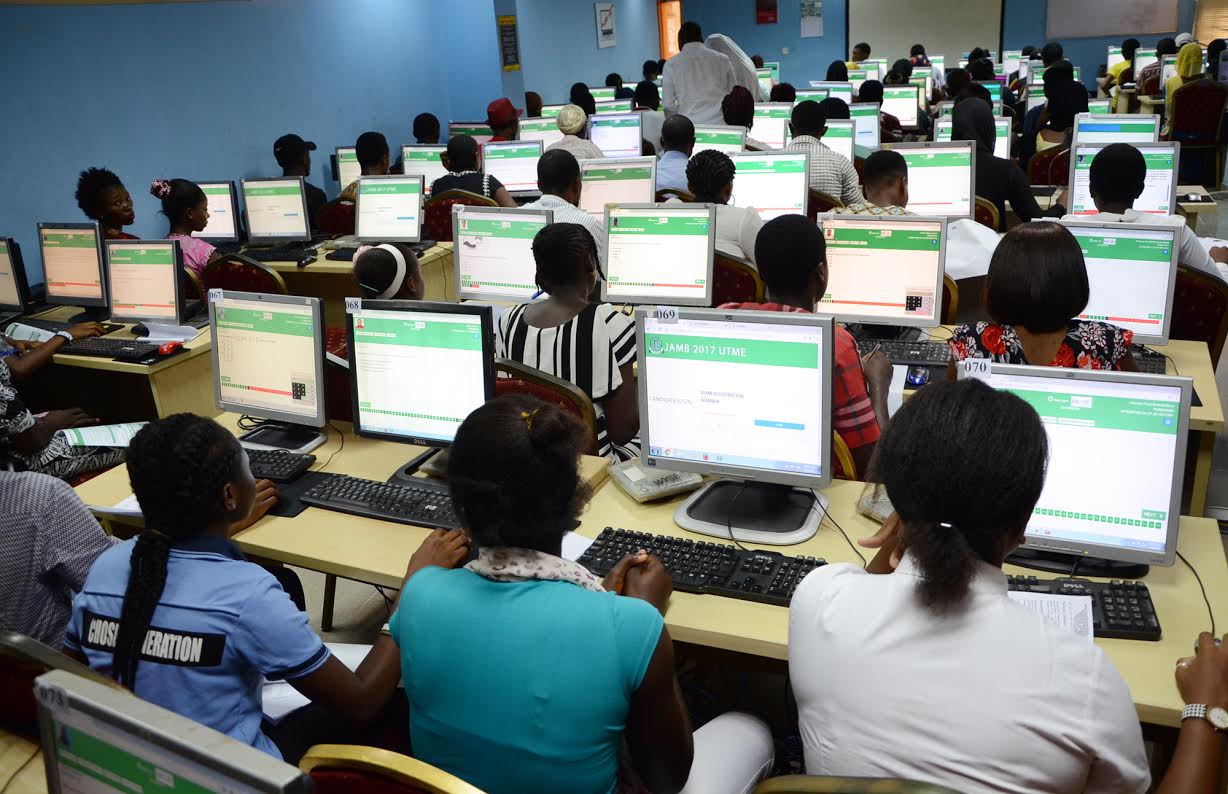
Oloyede said the move would address one of the recurring complaints raised by candidates during UTME exercises, particularly incidents involving sudden system shutdowns or technical failures at Computer-Based Test (CBT) centres.
“It will be cheaper and easier to manage. Candidates have often complained that their computer went off during examinations, and this innovation is expected to address such issues while preserving examination integrity,” Oloyede said.
The JAMB Registrar added that the board was already developing additional technological innovations ahead of the 2027 examination cycle to improve efficiency and strengthen public confidence in the conduct of UTME examinations.
The UTME remains Nigeria’s primary entrance examination for admission into universities, polytechnics and colleges of education. Over the years, JAMB has gradually transitioned fully into computer-based testing in a bid to reduce malpractice, improve speed and enhance result processing.
During the policy meeting, the board also announced the top-performing candidates in the 2026 UTME. Jesudunsin Owoeye from Ekiti State emerged as the highest scorer with 372 out of the obtainable 400 marks. Owoeye sat for the examination in Ogun State and selected the University of Lagos as first choice to study Medicine and Surgery.
The score falls slightly below the highest score recorded in 2025, when Chinedu Okeke from Anambra State scored 375. Ikenna Enwere from Imo State emerged second with 370 marks after writing the examination in Lagos State. He selected Nile University as his preferred institution to study Computer Science.
Ayomide Bamisile from Ondo State secured third position with 369 marks and chose the Federal University of Technology, Akure to study Software Engineering.
What’s Being Said
“This measure is designed to make the process more convenient while maintaining the integrity of the test,” Oloyede said during the policy meeting.
Education stakeholders say the planned BYOD model could significantly reduce pressure on CBT infrastructure if successfully implemented.
However, some analysts believe the initiative may also raise concerns around device compatibility, internet access, cybersecurity and equal access for candidates from low-income backgrounds.
Technology experts say JAMB will need to establish strict technical standards and security protocols before implementation.
What’s Next
JAMB is expected to begin pilot planning, infrastructure testing and stakeholder consultations ahead of the proposed 2027 rollout. The board may also issue detailed technical guidelines covering approved devices, security requirements and examination procedures before implementation.
Education stakeholders are expected to monitor how the policy could affect examination accessibility, operational costs and examination security across the country.
Bottom Line
JAMB’s planned introduction of personal-device-based UTME examinations marks another major shift in Nigeria’s digital examination system. While the initiative could improve efficiency and reduce technical disruptions, its success will depend heavily on security safeguards, infrastructure readiness and equal access for candidates nationwide.











 has announced plans to allow candidates sitting for the Unified Tertiary Matriculation...)