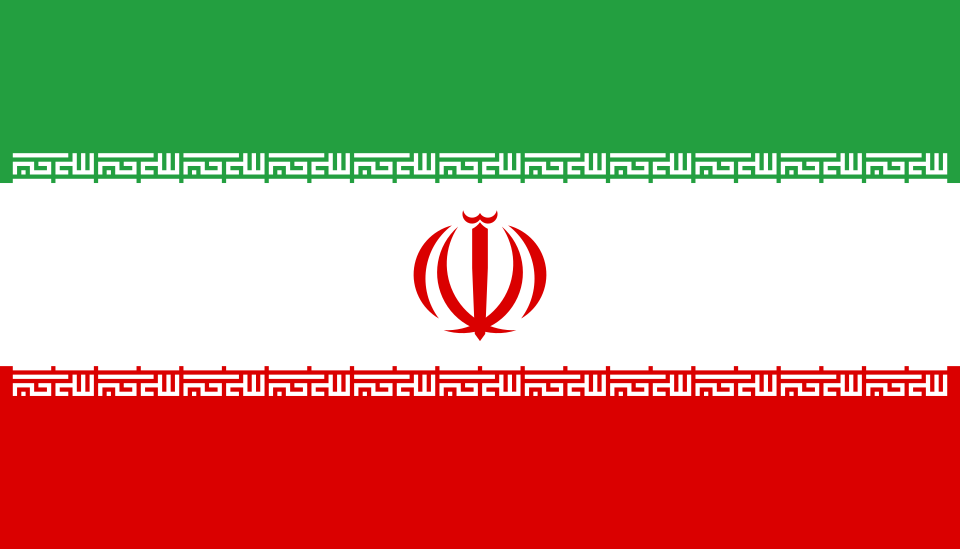
Keypoints
- Tehran has issued a formal warning that it will resume military actions if the newly imposed U.S. naval blockade disrupts its commercial shipping or oil tankers.
- Iranian state media indicated that response measures could include targeting global shipping lanes and involving Yemen’s Houthi forces to restrict the Bab al-Mandab Strait.
- President Donald Trump initiated the blockade earlier this week following the collapse of high-stakes diplomatic negotiations in Islamabad.
- The blockade specifically targets vessels moving to and from Iranian ports, though the Strait of Hormuz remains technically open for non-Iranian traffic.
- The move aims to cripple Iran’s revenue from oil exports and settle ongoing disputes regarding regional transit fees.
Main Story
The fragile stability in the Persian Gulf reached a breaking point on Wednesday as Iran threatened to scrap the existing ceasefire in response to a unilateral U.S. naval blockade.
Iranian military leadership characterized the blockade as an act of economic warfare, asserting that any interference with merchant vessels would be met with “proportional” military force.
The escalation follows the failure of the Islamabad talks, prompting President Donald Trump to deploy naval assets to intercept traffic heading to Iranian terminals in the Gulf of Oman and the Persian Gulf.
The threat of retaliation has expanded beyond the immediate conflict zone. Tehran signaled that it could leverage its regional influence to shut down the Bab al-Mandab Strait—a move that would effectively sever the maritime link between Europe and Asia through the Suez Canal.
By involving Houthi forces in this strategic corridor, Iran aims to make the blockade “economically unsustainable” for the West. While Washington maintains that the Strait of Hormuz remains open for international transit, the presence of U.S. warships and the threat of Iranian counter-strikes have sent maritime insurance premiums soaring and disrupted global shipping schedules.
The Issues
The primary challenge is the chokepoint-containment gap; while the U.S. is attempting to isolate Iranian ports, Iran’s ability to disrupt the Bab al-Mandab Strait creates a secondary crisis that could paralyze a third of global container traffic. Authorities must solve the problem of ceasefire interpretation, as Tehran now views the blockade as a direct breach of prior military agreements, potentially authorizing “defensive” strikes on U.S. assets.
Furthermore, there is an energy-security risk; the blockade is designed to curb oil revenue, but any physical clash in these narrow corridors would likely trigger a massive spike in global crude prices, impacting economies far beyond the Middle East. To prevent a full-scale maritime war, neutral mediators may need to urgently revisit the transit fee disputes that initially stalled the Islamabad negotiations.
What’s Being Said
- “Any disruption to merchant vessels or oil tankers is a violation of the existing ceasefire,” reported Iranian state-affiliated outlets.
- U.S. President Donald Trump defended the measure as a necessary tool to address “disputes over transit fees” and curb Iran’s regional influence after diplomacy failed.
What’s Next
- Iranian naval drills are expected to commence in the Gulf of Oman this weekend as a show of force against the U.S. blockade fleet.
- The U.S. Department of Defense is anticipated to increase its carrier presence in the Red Sea to safeguard the Bab al-Mandab Strait against potential Houthi interference.
- Global oil markets are looking for a “reaction” in pricing as the threat of restricted passage through key corridors becomes more concrete.
- The UN Security Council is expected to hold an emergency session to address the blockade’s impact on international law and the safety of maritime trade routes.
Bottom Line
The U.S. blockade has transformed a diplomatic stalemate into a potential maritime multi-front war. With Iran threatening to weaponize the world’s most vital shipping lanes, the conflict is no longer just about oil revenue, but about the very survival of global maritime commerce in 2026.