




Key points
- The heads of the IEA, IMF, World Bank Group, and WTO reiterated their support to countries most affected by the Middle East crisis.
- The leaders met on May 28 as part of a high-level group established in April to coordinate responses to the war’s energy, trade, and economic impacts.
- Global oil inventories are being drawn down at a record pace due to a major loss of supply through the Strait of Hormuz.
- The institutions warned that the rapid depletion of global oil inventories before peak summer demand could threaten fuel security and economic resilience.
- Higher fertilizer prices are causing particular concern as many countries enter the planting season.
Main Story
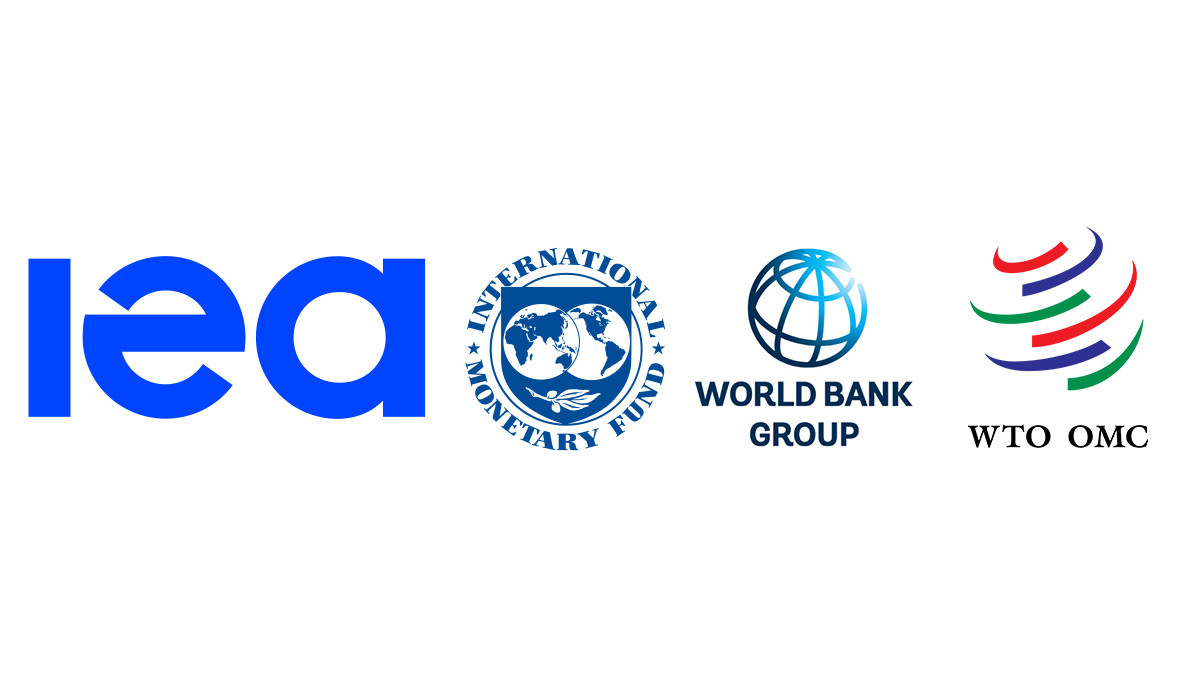
The Heads of the International Energy Agency, International Monetary Fund, World Bank Group and World Trade Organisation have reiterated their support to countries most affected by the Middle East crisis.
The institutions made this known in a Joint statement issued on Friday and made available to the News Agency of Nigeria(NAN). The statement said the heads of institutions met on May 28 as part of a high-level group established in April to coordinate responses to the Middle East war’s energy, trade, and economic impacts.
It said that following the meeting, the institutions issued a statement noting that the war is generating substantial and highly asymmetric impacts on energy supplies, food security, and economic activity across countries and regions.
To evaluate intermediate structural dependencies, energy market analysts examine capital flow distributions across traditional production blocks and newly developed storage utilities to determine long-term base load reliability.
The institutions said at the same time that global oil inventories were being drawn down at a record pace in response to the major loss of supply through the Strait of Hormuz.
They said if shipping flows persisted, continued rapid depletion of global oil inventories before peak summer oil demand in the Northern Hemisphere could threaten fuel security, market conditions, and broader economic resilience.
The bodies met to take stock of the impacts, discuss the situation in the most affected countries and regions, and coordinate support through multilateral and bilateral actions.
The Issues
- Managing the substantial and highly asymmetric impacts of the conflict on energy supplies, food security, and regional economic activity.
- Mitigating the disproportionate effects of higher fuel and fertilizer prices on vulnerable countries entering the planting season.
- Preventing a critical threat to fuel security caused by a record-pace drawdown of global oil inventories following supply losses through the Strait of Hormuz.
What’s Being Said
- Documenting how the fallout of the war spreads unevenly across global regions to threaten vulnerable populations, the joint statement noted: “The war in the Middle East is generating substantial and highly asymmetric impacts on energy supplies, food security, and economic activity across countries and regions.”
- Explaining the specific localized pressures that damage individual livelihoods despite overall global economic endurance, the text added: “ While the global economy continues to show resilience, the effects of the conflict are disproportionately affecting the most vulnerable countries through higher fuel and fertiliser prices, increased uncertainty, and risks to jobs and livelihoods.”
- Highlighting a key agricultural disruption that overlaps directly with crucial regional farming timelines, the leaders stated: “ Higher fertiliser prices are of particular concern as many countries enter the planting season.”
- Outlining the operational objectives of the high-level group regarding tracking local interventions and managing emerging financial shocks, the institutions stated: “In this regard, we are tracking and analysing measures taken by governments to address the economic impact of the conflict, with a view to promoting transparency, sharing lessons, and identifying emerging risks.”
- Reaffirming the long-term institutional alignment of the global bodies to preserve international commercial stability, the text concluded: “We will remain in close contact as the situation evolves and continue coordinating our efforts to support the countries most affected and global economic stability.”
What’s Next
- The institutions will continue closely monitoring fertilizer supply chains, energy and economic developments, and government policy responses.
- Global analysts will track shipping flows through the Strait of Hormuz to evaluate the depletion rate of oil inventories ahead of peak summer demand.
- The high-level group will explore further options to enhance collective support through synchronized multilateral and bilateral actions.
Bottom Line The heads of the IEA, IMF, World Bank, and WTO have unified to coordinate relief for vulnerable nations bearing the asymmetric brunt of the Middle East war, warning that record-pace oil inventory drawdowns in the Strait of Hormuz and soaring fertilizer costs pose an immediate threat to global fuel security and agricultural planting seasons.