






Keypoints
- UK Chancellor Rachel Reeves and Energy Minister Ed Miliband appealed to G7 leaders in France to fast-track renewable and nuclear energy to escape the “rollercoaster” of global oil and gas prices.
- The ongoing war in Iran and the blockade of the Strait of Hormuz have triggered the largest oil disruption in history, according to Rapidan Energy Group.
- New research reveals that hundreds of North Sea licenses granted between 2010 and 2024 have produced only 36 days of extra gas to date, casting doubt on fossil fuel expansion as a security solution.
- The International Energy Agency (IEA) and energy think tank Ember report that the crisis is accelerating the global shift toward “electrotech” (EVs, renewables, and heat pumps) to eliminate reliance on imported fuels.
Main Story
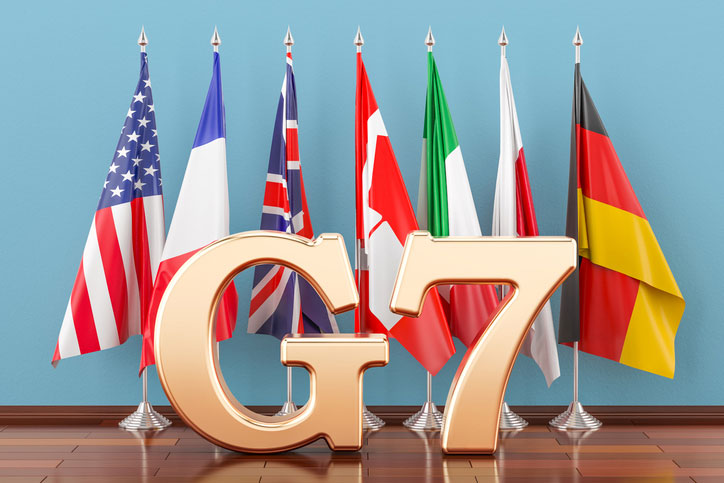
During a high-stakes G7 meeting in France, UK Chancellor Rachel Reeves issued a call for wealthy nations to decouple their economies from fossil fuel volatility.
Accompanied by Energy Minister Ed Miliband, Reeves argued that the current geopolitical turmoil in the Middle East proves that domestic renewable energy is the only path to true energy security.
The Chancellor noted that while UK energy bills are beginning to stabilize due to the Labour government’s green policies, global markets remain vulnerable to “energy shocks” as long as they depend on Middle Eastern oil.
The urgency of the transition was underscored by an analysis from Rapidan Energy Group, which identified the current conflict in Iran as the most significant disruption to global oil supplies in history.
With the Strait of Hormuz effectively closed, nearly 20% of the world’s oil trade has been impeded. Sam Butler-Sloss of the think tank Ember detailed that this crisis is serving as “Asia’s Ukraine moment,” forcing nations that import 40% of their oil through the Strait to rapidly switch to electric alternatives that are now more cost-competitive than ever.
The Issues
The primary conflict remains the domestic and international debate over North Sea drilling. While the UK Conservative and Reform parties have called for more licenses to boost supply, a report by Voar and Uplift revealed that 14 years of licensing produced just over a month’s worth of gas. This “geological decline” of the North Sea suggests that new drilling cannot solve the immediate energy crisis. Furthermore, the IEA pointed out that the global reliance on a few maritime chokepoints makes the fossil fuel system inherently fragile, advocating for “homegrown” energy to replace vulnerable imports.
What’s Being Said
- “Staying stuck on the rollercoaster of global oil and gas prices will help nobody,” Rachel Reeves told journalists ahead of the G7 summit.
- Sam Butler-Sloss of Ember stated, “The Iran crisis accelerates the shift to renewables… nations now have the tools to increasingly eliminate imported fuels altogether.”
- Fatih Birol, Executive Director of the IEA, emphasized that renewables are not just for emissions but are a “homegrown domestic energy source” that strengthens supply chains.
- Labour officials argued that their ban on new North Sea licenses is a necessary step to focus investment on the “renewable energy capacity” that will protect consumers long-term.
What’s Next
- G7 finance and energy ministers are expected to draft a coordinated roadmap for stabilizing energy markets while increasing nuclear and renewable investment.
- The UK government will likely face continued pressure from opposition parties to soften its stance on North Sea drilling as global oil prices remain elevated.
- Analysts expect the IEA to further cut its 2026 oil demand growth forecasts as the adoption of EVs and heat pumps accelerates in response to the blockade.
Bottom Line
The closure of the Strait of Hormuz has transformed the green transition from a climate objective into a matter of urgent national survival, with the UK leading a push for G7 nations to treat “electric independence” as the new standard for global energy security.