

Key points
- Former Director-General of Voice of Nigeria (VON), Osita Okechukwu, stated that political zoning is necessary for equity and inclusion.
- Okechukwu responded to comments by former Vice President Atiku Abubakar, who described zoning as “self-defeating” and “intellectually dishonest.”
- The APC chieftain characterized Atiku’s claims as a “classic case of self-denial.”
- Okechukwu argued that zoning is a foundational mechanism designed to prevent the monopoly of power.
- He cited historical precedents, including the 2022 PDP primaries, as evidence for why zoning conventions should be upheld.
Main Story
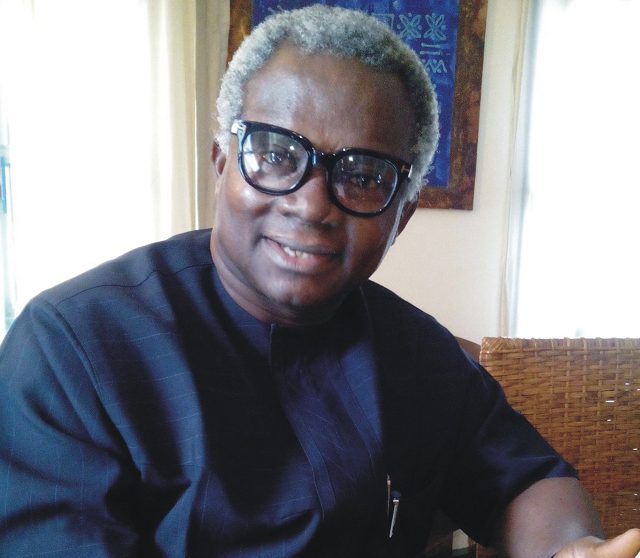
The former Director-General of Voice of Nigeria (VON), Mr Osita Okechukwu, says political zoning is essential for maintaining national cohesion, inclusion, and equity in Nigeria.
Okechukwu said this on Tuesday in Enugu while responding to questions from newsmen on the statement describing political zoning in Nigeria as “self-defeating” and “intellectually dishonest” credited to former Vice President Atiku Abubakar.
He dismissed the self-defeating claim as a ”classic case of self-denial, which does not subscribe to the truth and realism”. Okechukwu stated that zoning is a foundational element designed by statesmen to ensure a sense of belonging across Nigeria’s diverse regions.
Zoning, he said, is seen as a mechanism to prevent the monopoly of power, ensuring that all regions have an opportunity to hold high office. The APC chieftain questioned if Atiku could have become Vice President without a zoning arrangement.
He cited historical precedents, such as the perceived negative impact of breaching zoning conventions in the 2022 PDP primaries, as reasons why the arrangement should be upheld.
Okechukwu noted that equity cannot be discussed in fragments or based on convenient arithmetic, reinforcing that the system is a mechanism for regional sense of belonging.
The Issues
- The debate over zoning highlights a fundamental tension between merit-based political competition and the need for regional representation in a diverse federation.
- Critics argue that zoning restricts the pool of available leadership talent, while proponents see it as a safeguard against ethnic or regional dominance.
- The perceived breach of zoning conventions in previous election cycles continues to influence internal party dynamics and voter perceptions of fairness.
What’s Next
- Political parties are expected to continue debating the merits of formal versus informal zoning ahead of the next major election cycle.
- Legal and constitutional discussions regarding the formalization of power rotation may gain more prominence in legislative chambers.
- Stakeholders will monitor how major political figures align themselves with the zoning debate as a strategy for future primary elections.
Bottom Line
Osita Okechukwu has positioned political zoning as a non-negotiable tool for Nigerian stability, countering opposition views by framing the arrangement as the primary reason for past and future inclusion in high office.





,%20Mr%20Osita%20Okechukwu,%20says%20political%20zoning%20is%20essential%20for%20maintaining%20...)