





By Boluwatife Oshadiya| April 7, 2026
Key Points
- Federal Government approves ₦3.3 trillion to clear GenCos’ legacy debt
- Power firms push for tariff review after increase in gas prices
- Stakeholders warn sector liquidity crisis may persist without reforms
Main Story
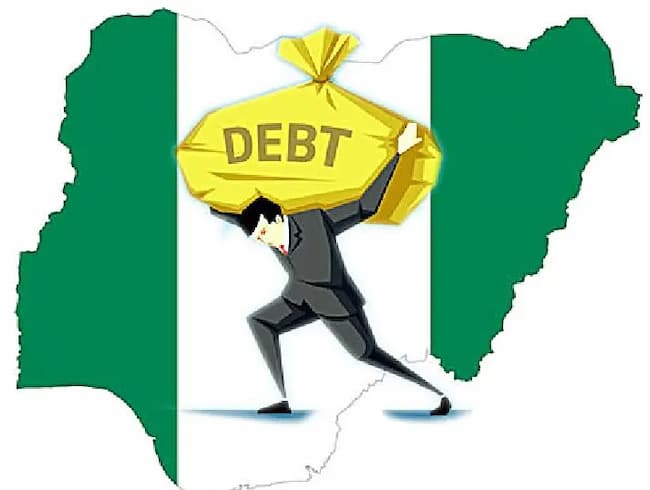
Nigeria’s power sector may be on the cusp of a reset following the Federal Government’s approval of ₦3.3 trillion to settle long-standing debts owed to electricity generation companies, even as operators intensify calls for an electricity tariff hike.
The debt settlement, approved by President Bola Tinubu under the Presidential Power Sector Financial Reforms Programme, covers verified liabilities accumulated between February 2015 and March 2025. According to presidential spokesman Bayo Onanuga, the figure represents a “full and final settlement” aimed at restoring confidence across the electricity value chain.
The move comes amid persistent power outages across the country, which have disrupted businesses and weakened industrial productivity. The Nigerian Independent System Operator has repeatedly cited declining generation and gas supply constraints as key drivers of grid instability.
Residents in the Federal Capital Territory expressed cautious optimism, noting that improved liquidity could enable generation companies to meet gas payment obligations and stabilise output. Nigeria’s thermal plants, which account for roughly 70 per cent of electricity generation, remain heavily dependent on consistent gas supply.
However, fresh pressure is building on the regulatory front. Power generation companies have called on the Nigerian Electricity Regulatory Commission (NERC) to urgently adjust tariffs following a recent increase in the domestic base price of gas by the Nigerian Midstream and Downstream Petroleum Regulatory Authority.
Industry data shows that gas remains the single largest cost component in power generation, meaning any price adjustment directly affects electricity tariffs unless offset by government subsidies.
The Issues (Optional)
Nigeria’s power sector continues to grapple with structural inefficiencies, including chronic liquidity shortfalls, weak payment discipline, and inadequate metering infrastructure. Despite privatisation efforts, the market remains partially regulated, with tariffs often failing to reflect actual production costs.
The gap between cost-reflective tariffs and consumer pricing has led to mounting subsidy burdens and debt accumulation. At the same time, gas suppliers face disincentives to prioritise domestic delivery due to delayed payments and lower regulated prices compared to international markets.
What’s Being Said
“This payment will ensure consistent gas supply to thermal plants and bring a lasting solution to the power sector crisis,” said Pius Ogiemudia, an engineer based in Orozo.
“All we want is for NERC to acknowledge the new gas price and reflect it in tariffs. Gas is a pass-through cost,” said Joy Ogaji, Chief Executive Officer, Association of Power Generation Companies.
“Since gas prices have increased, electricity tariffs will also rise, and subsidy obligations will expand,” said Adetayo Adegbenle, Executive Director, PowerUp Nigeria.
“Tariff increases alone are not a silver bullet. There are deep inefficiencies, especially in metering and energy accounting,” said Kunle Olubiyo, President, Nigeria Consumer Protection Network.
What’s Next
- NERC is expected to review electricity tariffs in line with new gas pricing benchmarks
- Federal Government may expand subsidy provisions or accelerate market deregulation
- Industry stakeholders are pushing for a fully contract-based electricity market framework
Bottom Line (Optional)
The Bottom Line: Nigeria’s ₦3.3 trillion debt clearance may stabilise the power sector in the short term, but without tariff reforms, payment discipline, and structural fixes, the liquidity crisis risks resurfacing in a more severe form.