Key points
- The Food and Agriculture Organization of the United Nations warns that fertiliser shortages linked to disruptions in the Strait of Hormuz could reduce crop yields and tighten global food supplies in 2026–2027.
- FAO Director-General QU Dongyu says delayed fertiliser deliveries will directly affect planting cycles and lower agricultural output across key producing regions.
- Import-dependent countries in Africa, Asia and the Middle East are expected to be most affected by rising input costs and supply chain disruptions.
Main story
The Food and Agriculture Organization of the United Nations has warned that ongoing disruptions in the Strait of Hormuz are triggering a global fertiliser shortage that could significantly reduce agricultural yields and tighten food supplies in the latter half of 2026 and into 2027.
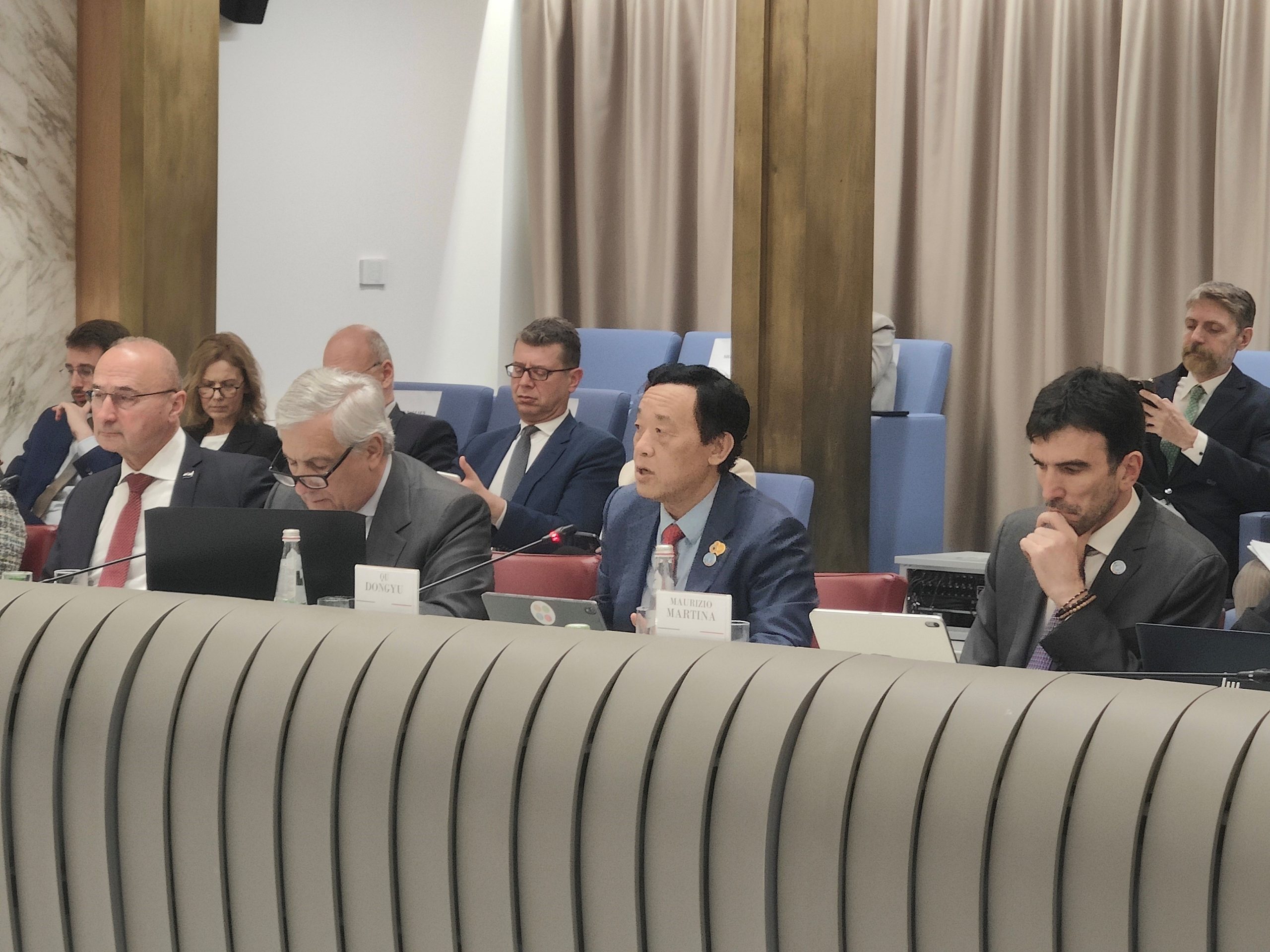
Speaking at the Ministerial Meeting of the MED9++ Countries on “Supporting Food Security and Access to Fertilizers” in Rome, FAO Director-General Qu Dongyu said the crisis is already affecting agricultural inputs, energy costs and global food production systems.
He described the situation as a structural shock to the global agrifood system, stressing that the impact goes beyond geopolitics and is directly affecting farming operations worldwide.
Qu highlighted the strategic importance of the Strait of Hormuz, a critical maritime corridor through which large volumes of global oil, liquefied natural gas, sulphur and fertiliser are transported. He warned that disruptions to this route are tightening global fertiliser markets and increasing production costs.
According to him, agriculture is highly time-sensitive, and delays in fertiliser delivery during planting seasons cannot be recovered later in the production cycle.
“Agriculture operates within a crop calendar that cannot be postponed,” he noted, adding that even short delays force farmers to reduce fertiliser use, directly lowering yields.
He cautioned that the consequences of current supply disruptions will be reflected in future harvests, particularly affecting global food availability in 2026 and 2027.
The FAO chief also noted that the timing of the crisis is particularly concerning as it coincides with critical planting seasons across major agricultural regions.
The issues
The fertiliser shortage is being driven by disruptions in the Strait of Hormuz, a key global trade route that affects energy and agricultural input flows.
Countries heavily dependent on fertiliser imports, particularly in Africa, Asia and the Middle East, are expected to face the most severe consequences due to rising costs and limited supply access.
The crisis also exposes structural vulnerabilities in global food systems, including overreliance on concentrated supply routes and energy-intensive fertiliser production.
What’s being said
Qu Dongyu warned that the impact of current disruptions will extend beyond immediate price increases, affecting future harvests and global food availability.
He stressed that coordinated global action is urgently needed to stabilise supply chains, protect farmers’ access to inputs and prevent worsening food insecurity.
FAO also reiterated that no country is insulated from the crisis, given the interconnected nature of global food and fertiliser markets.
What’s next
FAO called for immediate, medium-term and long-term responses, including keeping supply chains open, diversifying fertiliser sources and investing in sustainable agricultural systems.
The organisation also urged stronger international cooperation through platforms such as the MED9++ initiative, which brings together more than 40 countries and organisations to address food security and fertiliser access.
Bottom line
The FAO warns that ongoing disruptions in the Strait of Hormuz are not just an energy or trade issue but a growing threat to global food security, with fertiliser shortages expected to reduce agricultural output and tighten food supplies well into 2027.