









KEY POINTS
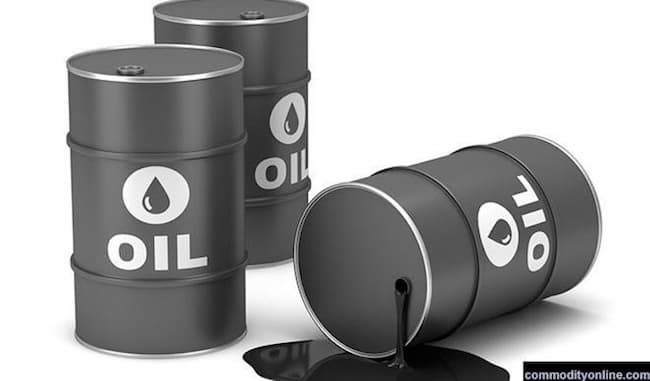
- Energy experts are calling for the enforcement of Domestic Crude Supply Obligations (DCSO) to protect Nigeria from global oil price volatility.
- Recent spikes in petrol prices, reaching as high as ₦1,190 per litre in some Lagos outlets, are attributed to crude oil surging toward $92–$100 per barrel.
- The Strait of Hormuz crisis responsible for nearly 20% of global oil transit is identified as the primary external driver of rising costs.
- While the Dangote Refinery has averted a supply crisis, it currently receives only 5 of the 13 monthly crude cargoes required to fully meet domestic demand.
MAIN STORY
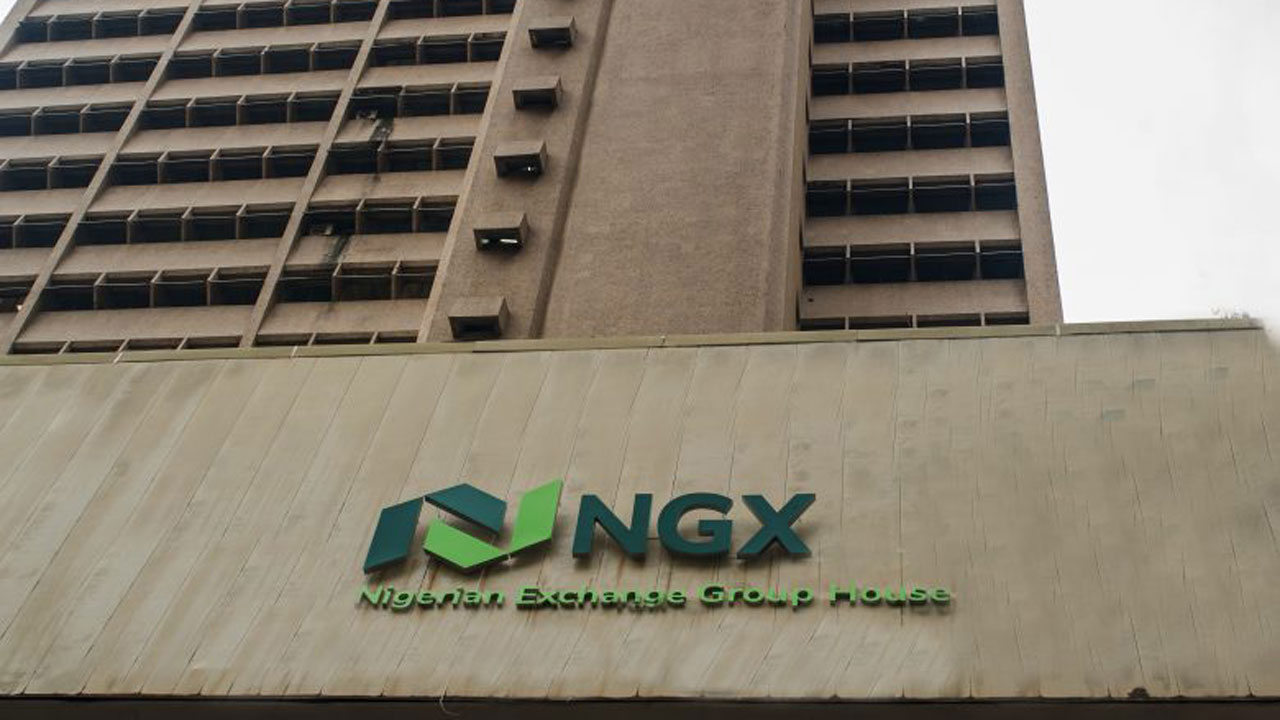
Energy experts, in recent interviews with the News Agency of Nigeria (NAN), have emphasized that strengthening local refining and strictly enforcing domestic crude supply mandates are essential for shielding the Nigerian economy from external shocks.
This follows a sharp increase in the pump price of Premium Motor Spirit (PMS), which has jumped from ₦825 to over ₦1,100 per litre across many retail stations.
Dr. Muda Yusuf, CEO of the Centre for the Promotion of Private Enterprise, identified rising global crude prices as the critical factor. Even with the Dangote Refinery operational, it must purchase feedstock at prevailing international market rates. Yusuf noted that the refinery currently sources approximately 70% of its crude externally, making it vulnerable to the geopolitical tensions currently rattling global energy markets.
The situation is further complicated by the effective closure of the Strait of Hormuz due to regional conflict. Dr. Billy Gillis-Harry, President of PETROAN, warned that this maritime route carries roughly 30% of global crude shipments. Without a buffer from domestic refining, these international disruptions translate directly to higher costs at Nigerian pumps. Experts like Prof. Ken Ife pointed out that while Nigeria has 445,000 barrels allocated for domestic use, the Dangote Refinery’s current receipt of only five cargoes monthly falls significantly short of the 13 needed for total self-sufficiency.
WHAT’S BEING SAID
- “The main challenge here is crude oil price. It is the most critical determinant… even for the Dangote Refinery, because the crude oil it uses is purchased at prevailing international market prices,” stated Dr. Muda Yusuf.
- “If we did not have the Dangote Refinery… we might have been talking about petrol selling for N1,500 per litre or even higher,” Yusuf added, highlighting its role in preventing a total scarcity crisis.
- “The Dangote Refinery requires about 13 crude oil cargoes to meet local demand but currently receives only about five,” noted Prof. Ken Ife, advocating for stricter DCSO enforcement.
- “Local refining will provide a buffer against global disruptions since crude oil resources are readily available in the country,” said Dr. Billy Gillis-Harry.
WHAT’S NEXT
- The Nigerian Upstream Petroleum Regulatory Commission (NUPRC) is expected to face pressure to enforce the Petroleum Industry Act (PIA) provisions regarding mandatory local crude supply.
- Analysts predict that if Middle East tensions persist, petrol could reach ₦1,500 while diesel may exceed ₦2,000, potentially driving nationwide inflation higher.
- The federal government is likely to expedite the rehabilitation of state-owned refineries to complement private refining capacity and increase the domestic “buffer.”
BOTTOM LINE
The Bottom Line is that while the Dangote Refinery has solved Nigeria’s long-standing “scarcity” problem, it has not yet solved the “price” problem. Until domestic crude supply is fully prioritized over exports, Nigerian consumers will remain tied to the volatile prices of the global market, currently dictated by the crisis in the Strait of Hormuz.






, have emphasized that strengthening local refining and strictly enforcing domestic crude supply mandates are essential for shielding the Nigerian economy from external shocks.)