







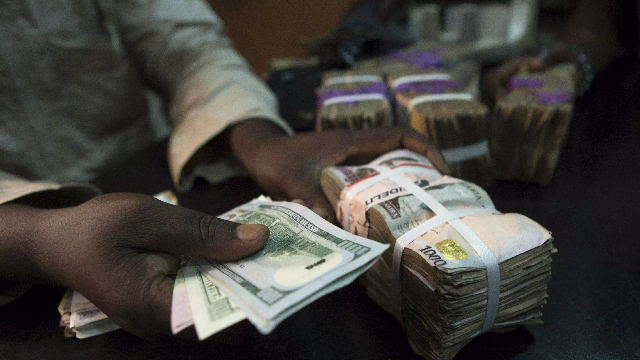
The Nigerian naira continued to trade under measured pressure against the United States dollar at the start of midweek trading, reflecting ongoing volatility across both official and unofficial foreign exchange markets. Figures from the Nigerian Foreign Exchange Market (NFEM) and parallel market operators suggest that the local currency remains constrained by persistent dollar demand despite policy interventions.
Official FX Market Update
At the Nigerian Foreign Exchange Market, the naira opened Wednesday’s session marginally weaker, trading around ₦1,426.67 to the dollar in early dealings. This represented a slight decline from the previous trading day’s closing rate of approximately ₦1,424.50 recorded on January 13.
Market watchers say the movement underscores sustained pressure on the official window, driven largely by elevated demand for foreign exchange linked to imports, international trade settlements, and external debt obligations. While the Central Bank of Nigeria has stepped up liquidity injections in recent weeks, demand-side factors continue to test the resilience of the currency.
Analysts expect the naira’s official closing rate to settle within the ₦1,420 to ₦1,430 range by the end of trading, depending on the scale of CBN interventions and transaction volumes during the latter half of the session.
Parallel Market Performance
In the parallel market, commonly referred to as the black market, the naira traded at a significantly weaker level. Checks with Bureau De Change operators across key commercial centres—including Ikeja and Broad Street in Lagos, Wuse Zone 4 in Abuja, and parts of Kano—indicate that the dollar was bought at around ₦1,465 and sold at roughly ₦1,475.
The spread between the official and parallel market rates currently stands at about ₦50. Although this gap has narrowed compared with previous periods of extreme divergence, it continues to incentivise speculative demand and arbitrage, particularly among individuals and small businesses seeking faster access to foreign currency.
Market Drivers to Watch
Several factors are shaping current FX market sentiment:
- External Reserves: Nigeria’s foreign reserves remain relatively stable, providing the CBN with limited but meaningful capacity to support the naira.
- Inflation Pressures: Rising import costs continue to fuel inflation concerns, with the National Bureau of Statistics closely monitoring price movements.
- Trade Activity: Trading volumes at the NFEM have picked up modestly as companies finalize import transactions for the first quarter of 2026.
The Central Bank has reiterated its call for individuals and businesses to rely on official banking channels for foreign exchange transactions, stressing that increased transparency is critical to sustaining currency stability.