





Keypoints
- De Norsemen Kclub International (DNKI) has issued a stern warning to the Federal Government regarding Nigeria’s deteriorating security and economic stability.
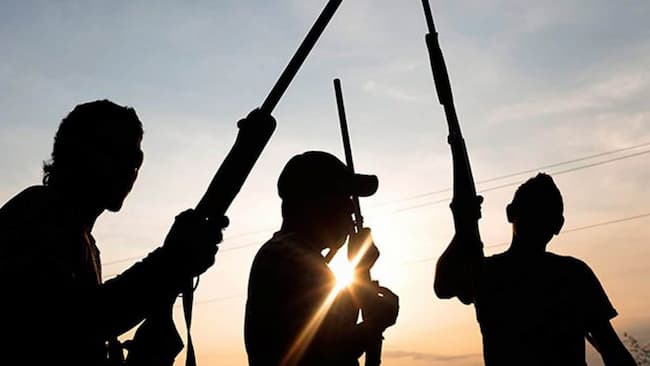
- The group described recent killings in Jos, Plateau State, as a “callous and senseless” sign of a failing national security architecture.
- DNKI raised alarms over the “wealth-only” nature of Nigerian politics, citing exorbitant nomination fees as a barrier to inclusive democracy.
- The organization highlighted that the persistent power crisis is currently crippling small businesses and drastically increasing healthcare costs.
Main Story
In a comprehensive state-of-the-nation address issued in Abuja on Sunday, De Norsemen Kclub International (DNKI) urged the Federal Government to move beyond “rhetoric” and adopt decisive policies to stabilize the country.
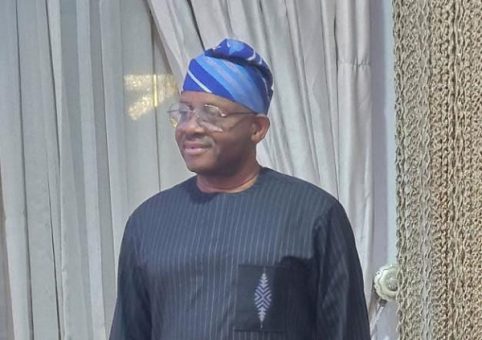
Signed by International President Chief Oliver Patrick, the statement noted that while President Tinubu’s recent visit to commiserate with victims in Jos was commendable, sympathy alone would not suffice. The group reported that the persistent failure of security policies has left many families vulnerable, necessitating a strategic and sustained overhaul of the nation’s defense strategy.
The group further detailed the political and economic hurdles facing the average citizen. It was highlighted that the high cost of political participation, specifically the fees imposed by major parties for nomination forms is effectively excluding ordinary Nigerians from the democratic process.
On the economic front, DNKI described a dire situation where unreliable electricity has forced many small and medium-scale enterprises to shut down. The report emphasized that the dependence on generators has not only inflated production costs but has also spiked the price of medical care, as hospitals pass on their massive alternative energy expenses to patients.
The Issues
The primary conflict identified by DNKI is a disconnect between government sympathy and actionable results. The group identified the “persistence of failure” in the security architecture as the root cause of the ongoing bloodshed in Plateau State. Furthermore, the organization pointed to a burgeoning “plutocracy,” where only the wealthy can afford to run for office, thereby undermining the transparency and equal opportunity essential to a healthy democracy. The energy crisis was framed as a double-edged sword, simultaneously destroying the business environment and making basic healthcare inaccessible.
What’s Being Said
- “Sympathy alone is not sufficient. What is required at this time is decisive, strategic and sustained action,” DNKI stated regarding the federal response to insecurity.
- The group warned that high nomination fees are “excluding ordinary Nigerians from the democratic process” and urged for reforms to promote affordability.
- Chief Oliver Patrick noted that unreliable power “continues to cripple small and medium-scale enterprises,” leading to higher prices for all goods and services.
- DNKI described the recent Jos attacks as “callous and senseless,” underscoring a “persistent failure of the nation’s security architecture.”
What’s Next
- Political observers will be watching to see if major parties respond to calls for a reduction in nomination fees ahead of future electoral cycles.
- Security agencies are expected to face renewed pressure to show tangible results in the apprehension and prosecution of those behind the Plateau State killings.
- The Federal Ministry of Power may face fresh demands for transparency regarding the implementation of sustainable energy solutions to support the struggling SME sector.
Bottom Line
The intervention by DNKI serves as a high-level demand for the government to transition from reactive governance to a proactive, people-centered approach that addresses the high cost of living, dying, and participating in the Nigerian democratic process.





 urged the Federal ...)