








The Debt Management Office (DMO), acting on behalf of the Federal Government, has announced the re-opening of three Federal Government of Nigeria (FGN) bond instruments valued at a total of N800 billion for public subscription.
In a statement issued in Abuja, the DMO disclosed that the bonds are being offered at N1,000 per unit, subject to a minimum subscription threshold of N50 million and in multiples of N1,000 thereafter.
The first instrument is the June 2032 FGN bond, a seven-year re-opening valued at N400 billion, offering a coupon rate of 17.95 percent per annum. The second issuance is the May 2033 FGN bond, a ten-year re-opening worth N300 billion, carrying an annual interest rate of 19.89 percent.
The third offer is the February 2034 FGN bond, also a ten-year re-opening, valued at N100 billion with a coupon rate of 19 percent per annum. According to the DMO, interest payments on the bonds will be made semi-annually, while the principal will be repaid in full at maturity under a bullet repayment structure.
For the re-opened instruments, successful bidders will pay a price aligned with the yield-to-maturity that clears the auction volume, in addition to any accrued interest applicable at the time of purchase.
The DMO reaffirmed that FGN bonds are backed by the full faith and credit of the Federal Government and are secured against the general assets of the country.
The statement further clarified that the instruments qualify as approved securities for trustees under the Trustee Investment Act. They are also recognized as government securities under the Company Income Tax Act and the Personal Income Tax Act, making them eligible for certain tax exemptions, including those applicable to pension funds.
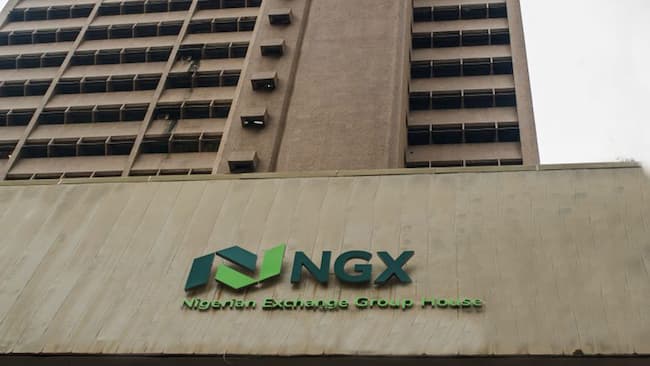
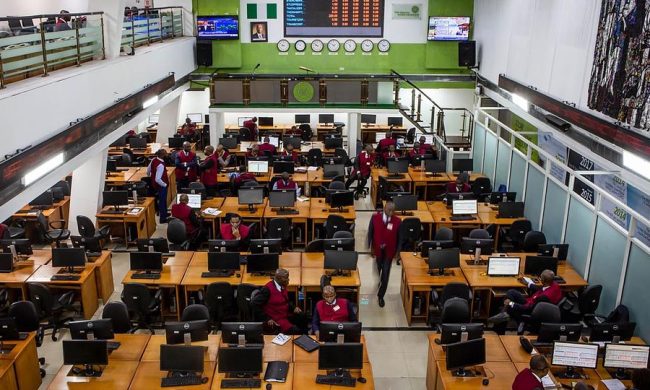
Additionally, the bonds are listed on the Nigerian Exchange Limited and the FMDQ OTC Securities Exchange, ensuring secondary market liquidity.
The DMO added that FGN bonds qualify as liquid assets for banks and may be included in liquidity ratio calculations, reinforcing their role within Nigeria’s fixed-income and financial stability framework.
Market analysts indicate that the re-opening aligns with the government’s broader domestic borrowing strategy aimed at financing fiscal obligations while deepening the local bond market.

, acting on behalf of the Federal Government, has announced the re-opening of three Federal Government of Nigeria (FGN) bond instruments valued at a total of N800 billion for public subscription.)