By Boluwatife Oshadiya | March 24, 2026
Key Points
- Dangote warns global oil tensions could raise inflation and fuel costs in Africa
- Says Nigeria will feel impact despite no direct involvement in crisis
- Highlights risks to fiscal stability, debt levels, and economic growth
Main Story
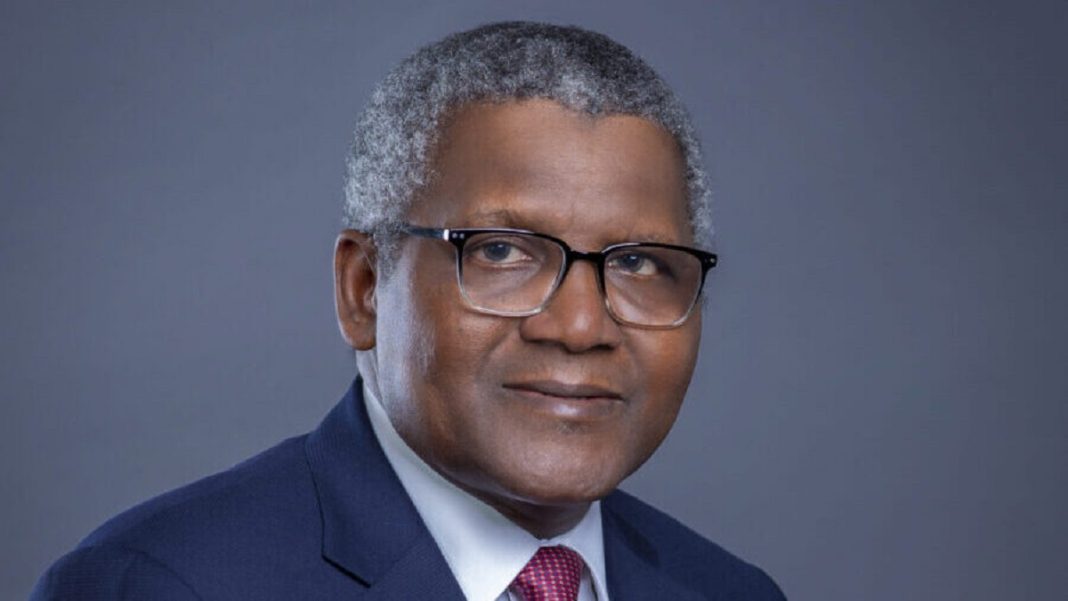
Africa’s richest industrialist, Aliko Dangote, has warned that escalating tensions in the Middle East could trigger significant economic disruptions across Nigeria and other African economies, driven by rising oil prices and global market instability.
Speaking in Lagos after an Eid-el-Fitr visit to President Bola Tinubu, Dangote said the interconnected nature of the global economy means Nigeria will inevitably feel the impact of geopolitical shocks, even without direct involvement.
He cautioned that prolonged instability could push up fuel prices, increase transportation costs, and worsen inflationary pressures already affecting households and businesses across the continent.
Dangote further warned that governments could face mounting fiscal strain as volatile oil markets complicate revenue projections and increase subsidy burdens. He added that Africa’s already elevated debt levels could worsen under sustained external shocks.
The business magnate also noted that rising energy costs would disrupt economic activity across sectors, from small businesses to large-scale manufacturing and logistics operations.
On the domestic front, Dangote expressed optimism about Nigeria’s economic outlook, citing recent international engagements by President Tinubu, including a visit to the United Kingdom, as a boost to investor confidence.
What’s Being Said
“We are part of a global village, and developments like this will affect us even if we are not directly involved,” Aliko Dangote said.
“If the situation does not de-escalate, we will end up paying a heavy price, especially given existing economic challenges,” he added.
“Diplomacy without economic outcomes is incomplete, and this has created opportunities for Nigeria,” Dangote said, referencing recent bilateral engagements.
What’s Next
- Global markets expected to closely track Middle East developments
- Oil price volatility likely to influence inflation trends in Nigeria
- Potential new foreign investment inflows following recent diplomatic engagements
The Bottom Line: Dangote’s warning underscores Nigeria’s vulnerability to global shocks—highlighting that even oil-producing economies remain exposed to volatility in an increasingly interconnected market system.