





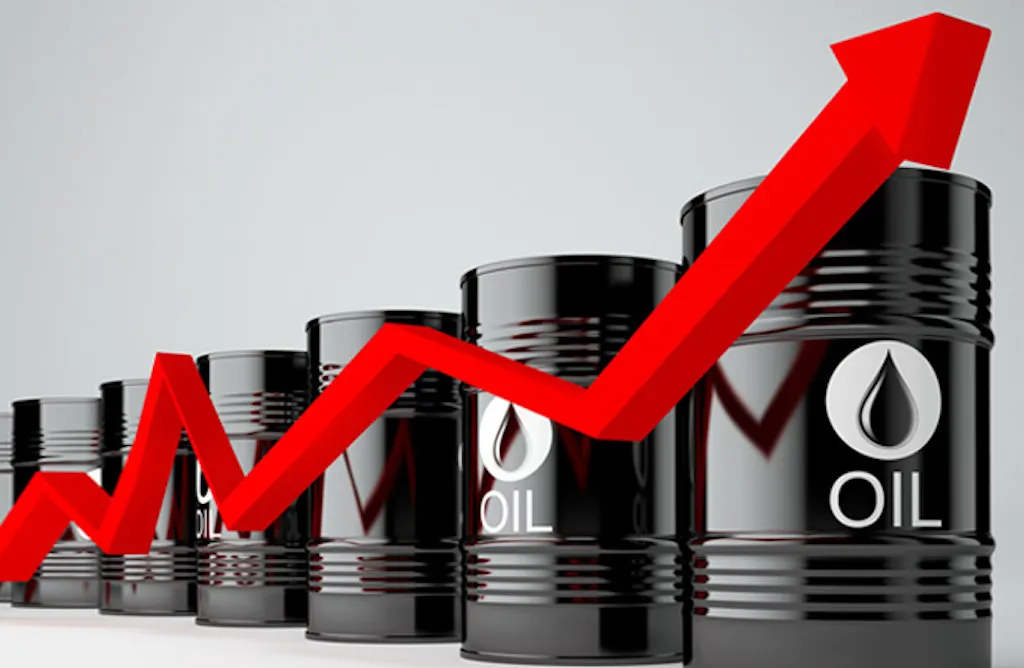
Oil markets opened the week with a dramatic upswing, driven by heightened geopolitical risks following targeted U.S. airstrikes on Iran’s nuclear facilities in Fordo, Natanz, and Isfahan.
International benchmark Brent crude climbed 0.4% in early Monday trading, reaching $76.22 per barrel from its previous close of $75.91. Likewise, U.S. West Texas Intermediate (WTI) crude rose by 0.5% to $74.08 per barrel, up from $73.72.
U.S. President Donald Trump confirmed that the airstrikes had effectively destroyed key nuclear enrichment sites, cautioning that any further aggression from Tehran would provoke even stronger retaliation.
The situation has stirred global concerns about disruptions to energy supplies, particularly regarding potential instability around the Strait of Hormuz—a vital conduit for global crude shipments.
In a significant development, Iran’s legislative body has reportedly passed a resolution supporting the closure of the strait, pending final ratification from the Supreme National Security Council.
U.S. Vice President J.D. Vance, in a televised interview with NBC, labeled any Iranian move to block the strait as “suicidal,” noting such an act would severely damage Iran’s economy and trigger international backlash.
Similarly, U.S. Secretary of State Marco Rubio warned that shutting down the Strait of Hormuz would have severe repercussions not just for the U.S., but also for other major global economies, including China. Rubio further suggested that Beijing should take the lead in defusing any escalation given its reliance on energy imports from the region.
Despite the rising geopolitical tensions, maritime activity through the Strait of Hormuz has so far continued unabated. The waterway remains a crucial artery for the export of crude oil and liquefied natural gas (LNG) from the Middle East to global destinations via the Arabian Sea and Indian Ocean.
The strait is responsible for the transit of nearly one-third of the world’s seaborne oil, underscoring its importance in maintaining stability in the global energy market. Major producers such as Saudi Arabia and the United Arab Emirates heavily rely on this passage for their energy exports.