






As Nigeria marks the 2026 Children’s Day celebration, growing incidents of child abductions and school kidnappings across the country have once again drawn national attention to the worsening insecurity confronting schoolchildren, particularly in northern Nigeria and increasingly in parts of the South-West.
What began as isolated insurgent attacks over a decade ago has evolved into a nationwide security and humanitarian crisis, with schools turning into soft targets for armed groups, bandits, and criminal networks seeking ransom payments and territorial control.
According to an analysis by the humanitarian organisation Save the Children, at least 10 school kidnapping incidents involving more than 670 children and school workers were recorded in Nigeria between January 2024 and May 2026. The organisation warned that attacks on schools are becoming more frequent despite Nigeria’s endorsement of the Safe Schools Declaration in 2015.
The report, based on media monitoring and data from the Armed Conflict Location and Event Data Project (ACLED), noted that schoolchildren remain increasingly vulnerable to abduction while in classrooms or on their way to school.
From Chibok to Kankara: The Escalation of School Abductions
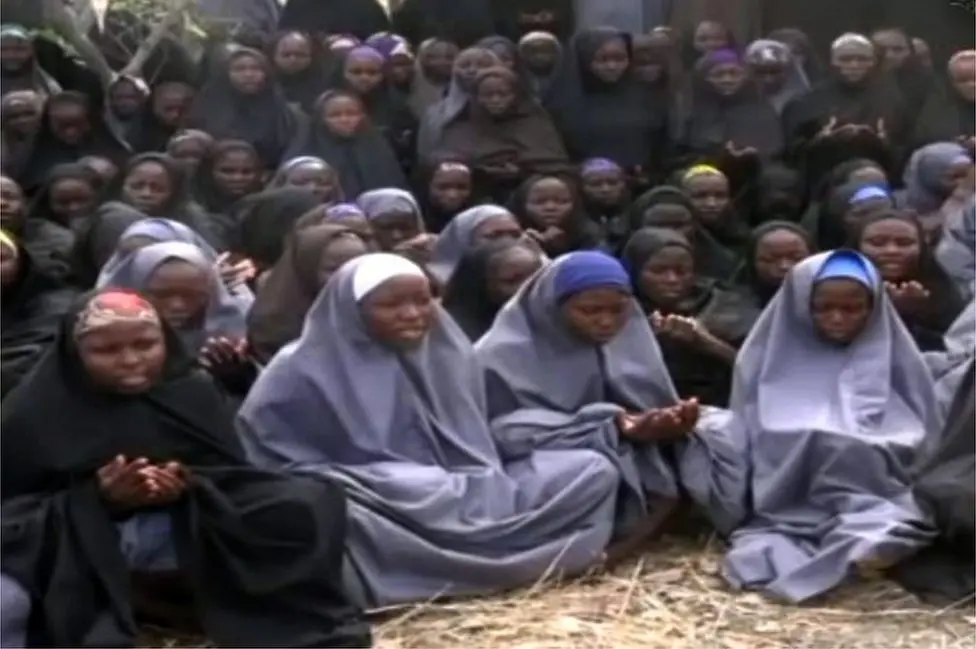
Nigeria’s school kidnapping crisis gained global attention on April 14, 2014, when Boko Haram insurgents abducted more than 200 schoolgirls from Government Girls Secondary School, Chibok, in Borno State.
Although some of the girls were later rescued or released through negotiations, many remain unaccounted for more than a decade later. The Chibok incident exposed the vulnerability of schools in conflict-prone regions and triggered international outrage under the “Bring Back Our Girls” campaign.
However, rather than ending, school abductions gradually spread beyond insurgency-affected communities into a broader pattern of organised criminality.
On December 11, 2020, gunmen attacked Government Science Secondary School in Kankara, Katsina State, abducting 344 students. The incident marked one of the largest mass school kidnappings since Chibok and signalled a dangerous shift in tactics by armed bandits operating in northwestern Nigeria.
The following months witnessed a series of coordinated attacks on boarding schools and rural learning centres.
On February 26, 2021, armed men stormed Government Girls Science Secondary School, Jangebe, in Zamfara State, abducting 279 female students.
Barely weeks later, students were kidnapped in attacks across Niger State, Kaduna State, Kebbi State and Sokoto State.
Security experts say the attacks have increasingly become financially motivated, with criminal groups exploiting weak rural security architecture, poor emergency response systems, and inadequate protection around schools.
Rising Numbers Between 2024 and 2026
Data compiled by humanitarian organisations and security trackers indicate that the frequency of attacks intensified again from 2024.
One of the most devastating incidents occurred on March 7, 2024, when armed bandits invaded the Local Government Education Authority (LGEA) School in Kuriga, Kaduna State, abducting 287 pupils, students, and teachers.
Although many victims were later rescued through military operations, the incident renewed concerns over the country’s inability to secure schools despite repeated government assurances.
According to Save the Children, at least 325 children and school staff were abducted in two separate school attacks within one month in late 2025 alone.
The organisation warned that insecurity, poverty, and fear of attacks have contributed significantly to Nigeria’s out-of-school children crisis, with an estimated 19 million children currently outside the formal education system — one of the highest figures globally.
“School should be a haven and a place where a child can dream of and make a better future,” Save the Children Country Director in Nigeria, Duncan Harvey, said while reacting to the worsening trend.
“No child should ever have to choose between learning and staying safe,” he added.
Oyo Attack Signals Spread Beyond Northern Nigeria
The latest incident has heightened fears that school kidnappings are no longer restricted to northern Nigeria.
On May 19, 2026, gunmen reportedly attacked Community High School, Ahoro-Esinle, in Orire Local Government Area of Oyo State, abducting dozens of students and teachers. Reports indicated that about 39 students and seven teachers were taken during the attack.

One of the abducted teachers, identified as Michael Oyedokun, was reportedly killed while in captivity, although authorities were yet to release a comprehensive official account as of press time.
A video circulated online showing the visibly distressed principal of the school, Mrs Rachael Alamu, appealing to the Federal Government, the Oyo State Government, religious bodies, and Nigerians to intervene and secure the release of those abducted.
The attack shocked many observers because Oyo had previously been considered relatively safer than states in the North-West and North-East where such attacks had become more common.
Security analysts say the development reflects the growing geographical spread of organised criminal violence across Nigeria.
Education Under Threat
Education stakeholders warn that beyond immediate casualties and ransom demands, repeated attacks on schools are creating long-term social and psychological consequences for children. According to education analyst, Dr Olufemi Mosaku-Johnson, every attack on a school weakens public confidence in the state’s ability to protect children.
“When a child is abducted on the way to school, we do not merely lose a day of learning. We destroy trust in the system and mortgage the future of the nation,” he said.
Public affairs analyst, Victor Egemba, also described the attacks as evidence of deeper structural failures within Nigeria’s security and education sectors.
“For generations, schools were sacred spaces where children were nurtured and protected. Today, many children now go to school under fear rather than hope,” he stated.
He noted that beyond kidnapping, many schools still suffer from poor infrastructure, lack of perimeter fencing, inadequate security personnel, absence of surveillance systems, and weak emergency preparedness.
Safe Schools Initiative Faces Implementation Challenges
Nigeria signed the Safe Schools Declaration in 2015, committing to protecting schools during armed conflict and preventing attacks on educational institutions.
The Federal Government also launched the Safe Schools Initiative to improve school protection through community participation, intelligence sharing, infrastructure upgrades, and emergency response systems.
However, experts argue that implementation remains weak at state and local government levels due to inadequate funding, poor coordination, and limited security capacity.
Humanitarian organisations have repeatedly called for stronger collaboration between communities, security agencies, school authorities, and governments to improve early warning systems and rapid response mechanisms.
The Amazing Grace Children Rights Foundation described the continuing attacks as “a dangerous trend mortgaging Nigeria’s future.”
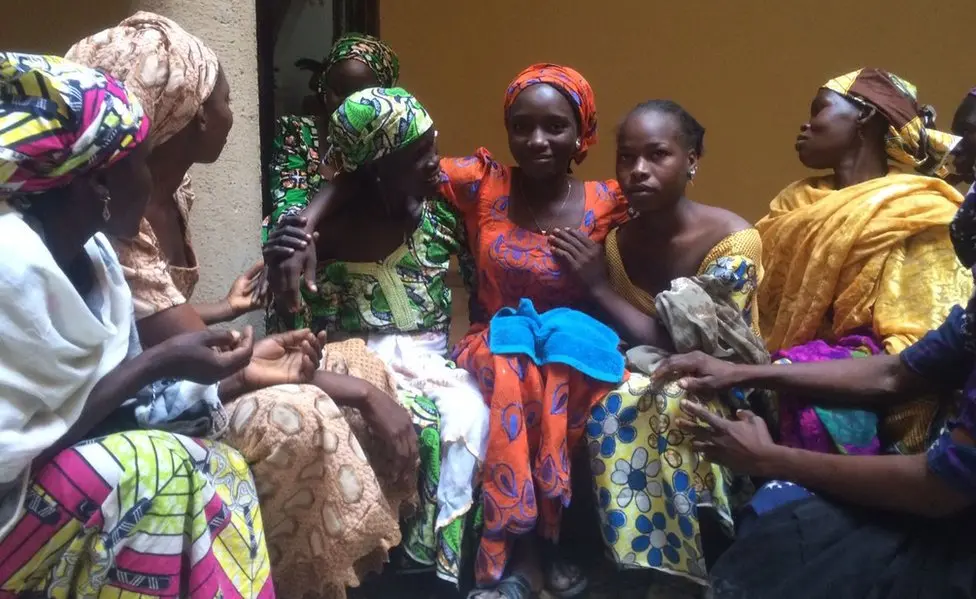
The foundation’s Chief Executive Officer, Mrs Grace Omoye Adeyemi, urged governments at all levels to prioritise school security and ensure the immediate rescue of children still in captivity.
A National Crisis Beyond Statistics
Security records and humanitarian reports indicate that more than 1,500 students have been abducted from schools in Nigeria since the Chibok incident in 2014.
While some victims regained freedom through rescue operations, negotiations, or ransom payments, many survivors continue to live with trauma long after their release.
For thousands of parents across Nigeria, the daily routine of sending children to school has increasingly become accompanied by fear, uncertainty, and anxiety.
As the country commemorates Children’s Day 2026, stakeholders say the continued attacks on schools raise urgent questions about the safety of Nigeria’s education system and the country’s capacity to protect its most vulnerable population.
Beyond ceremonies and speeches, analysts insist that the true measure of national progress will depend on whether Nigerian children can once again learn in classrooms free from violence, fear, and abduction.