


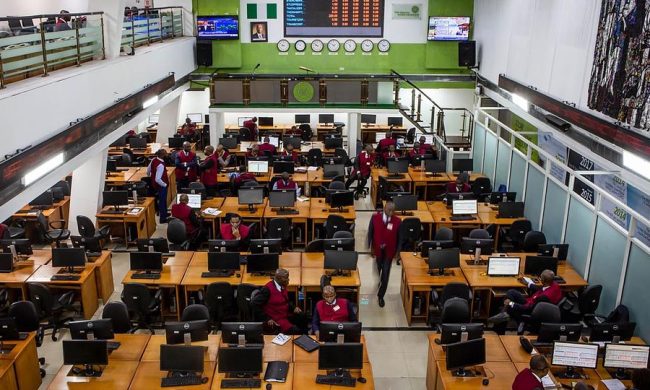







The Central Bank of Nigeria (CBN) has announced the conclusion of a comprehensive forensic review into foreign exchange transactions conducted under the Retail Secondary Market Intervention Sales (RSMIS) scheme, officially bringing the matter to a close.
The apex bank revealed that the audit, which spanned 18 months, was carried out in partnership with authorised dealer banks and global audit giant Deloitte. The investigation covered all unresolved and undelivered FX forward contracts.
FX forward contracts allow market participants to secure an agreed exchange rate today for foreign currency transactions set to occur at a future date. They are widely used by importers, exporters, and businesses to mitigate currency volatility.
In a statement on its website, the CBN declared there would be no further review or reopening of the audit process, describing such actions as inefficient and counterproductive.
“The findings meet procedural fairness standards. The case of undelivered forward contracts is concluded and closed,” the statement read.
According to the bank, Deloitte served as an independent forensic specialist, ensuring the review adhered to transparency and due process. The primary objectives of the audit were to authenticate undelivered contracts, ensure compliance with regulatory requirements, safeguard Nigeria’s foreign reserves, and promote market discipline.
The CBN emphasised that the exercise aligned with its statutory obligation to protect public financial resources, especially when previous activities fell below expected standards.
While confirming readiness to settle all legitimate FX obligations that meet market criteria, the bank urged financial institutions and their clients to maintain proper documentation, adhere to forex regulations, and submit only genuine transactions for settlement.
Additionally, the CBN disclosed that it is evaluating legal measures against entities found to have violated established rules during the audit period. Possible sanctions could range from civil and administrative penalties to criminal prosecution, in collaboration with law enforcement agencies.
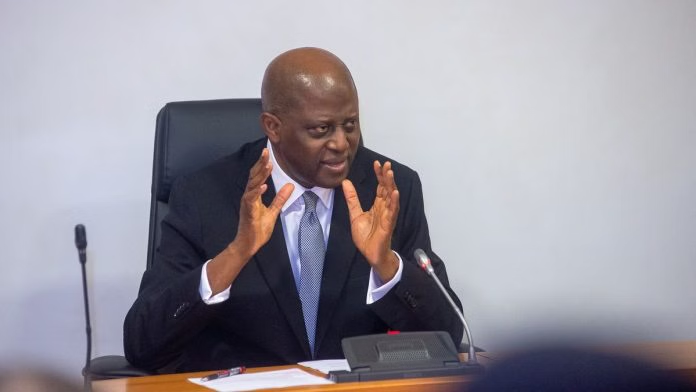
The review, initiated by CBN Governor Olayemi Cardoso in 2023, was part of broader reforms aimed at boosting transparency and accountability in Nigeria’s foreign exchange management framework.





 has announced the conclusion of a comprehensive forensic review into foreign exchange transactions...)