




By Boluwatife Oshadiya | March 10, 2026
Key Points
- Petrol prices climb toward N1,300 per litre across Nigeria following refinery price hikes
- Businesses warn rising fuel costs could trigger a fresh wave of inflation
- Labour groups and industry bodies criticise repeated petrol price increases
Main Story
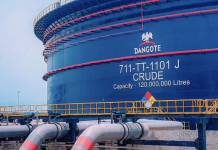
Businesses across Nigeria are preparing for a fresh surge in operational costs after petrol prices rose to as high as N1,300 per litre in several parts of the country following a new increase in supply prices by the Dangote Petroleum Refinery.
The refinery raised its gantry price of Premium Motor Spirit from N995 to N1,175 per litre, triggering immediate pump price adjustments by filling stations nationwide.
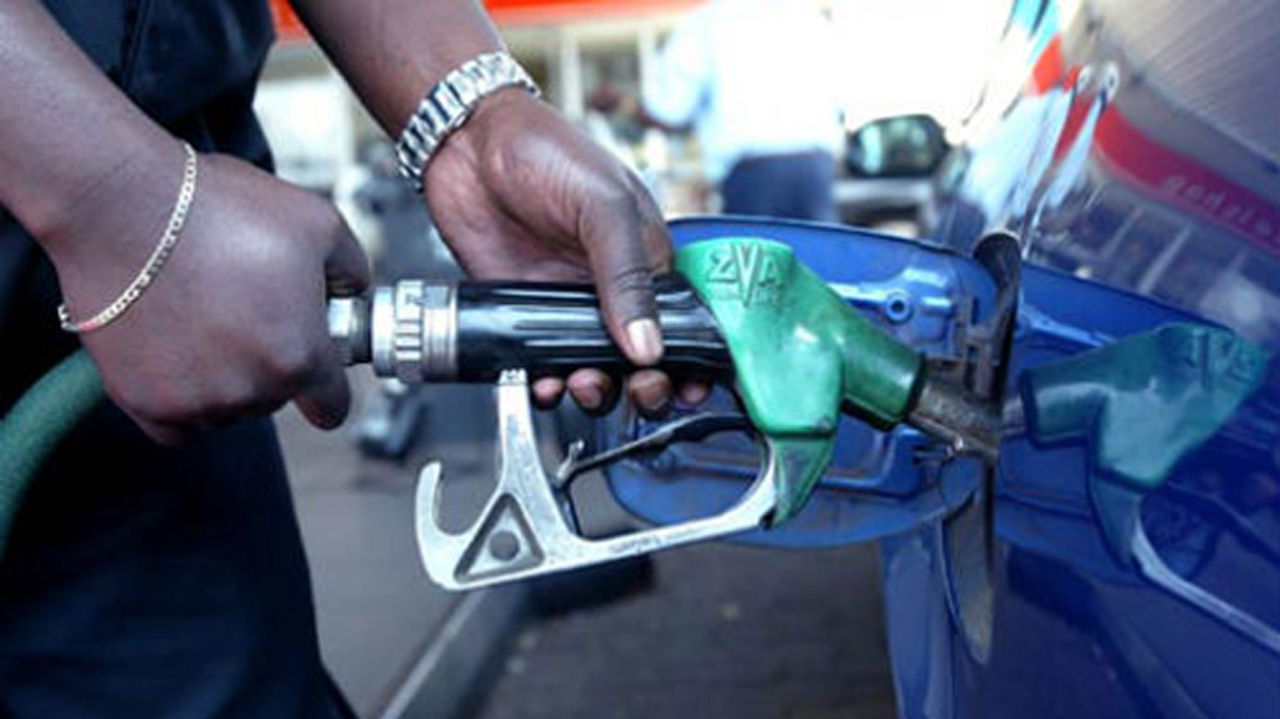
Industry reports indicate that petrol is now selling between N1,200 and N1,400 per litre at various stations, depending on location and supply costs.
Economists and members of the Organised Private Sector have warned that the surge in fuel prices could rapidly feed into broader inflation, increasing transportation costs, food prices, and manufacturing expenses.
The development comes amid heightened volatility in global oil markets, driven partly by geopolitical tensions affecting crude oil supply routes.
Crude prices briefly climbed to about $115 per barrel before easing to around $98 later in the day, according to international market data.
The Issues
Fuel costs remain a central driver of inflation in Nigeria’s largely transport-dependent economy. Rising petrol prices typically cascade across supply chains, increasing the cost of logistics, food distribution, manufacturing inputs, and retail goods.
Businesses, particularly small and medium-sized enterprises, are often forced to pass these higher costs on to consumers, accelerating inflationary pressure.
Labour unions have also warned that repeated increases in fuel prices could erode purchasing power and worsen the country’s ongoing cost-of-living crisis.
What’s Being Said
“Global oil markets are experiencing extreme volatility, with crude prices rising sharply within days,” said David Bird, Managing Director, Dangote Petroleum Refinery.
“The price of fuel will come down once Brent crude falls after the current global crisis eases,” said Chinedu Ukadike, Spokesman, Independent Petroleum Marketers Association of Nigeria.
“There is little the government can immediately do to halt the surge in prices while global supply disruptions continue,” said Eche Idoko, Spokesman, Crude Oil Refineries Association of Nigeria.
What’s Next
- Businesses are expected to adjust pricing structures in response to higher logistics costs
- Labour unions may intensify pressure on the government over fuel price increases
- Market analysts are closely watching global crude price movements for signs of stabilisation