By Boluwatife Oshadiya | March 3, 2026
Key Points
- Brent crude rises 2.1% to $80 per barrel
- Iran threatens closure of Strait of Hormuz after joint airstrikes
- Analysts warn prolonged disruption could push oil into triple digits
Main Story
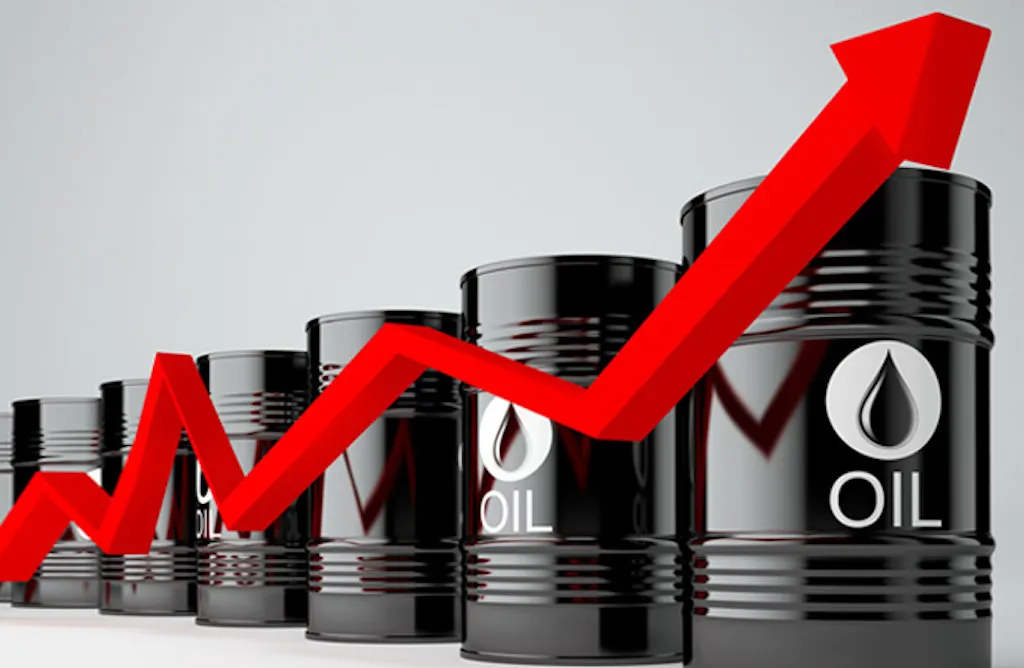
Brent crude surged to $80 per barrel on Tuesday as escalating tensions in the Middle East heightened fears of supply disruptions and rattled global energy markets.
The international benchmark gained 2.1% from its previous close of $78.15 to trade at approximately $80 per barrel. U.S. benchmark West Texas Intermediate (WTI) also rose 2.1% to $72.85 per barrel, up from $71.33 in the prior session.
The rally followed statements from Iran’s Islamic Revolutionary Guard Corps (IRGC) claiming that the Strait of Hormuz had been closed to transit. Brig. Gen. Ebrahim Jabbari, senior adviser to the IRGC commander-in-chief, warned that vessels attempting to cross the strategic waterway could be targeted.
“The Strait of Hormuz has been closed. We will attack and set ablaze any ship attempting to cross,” Jabbari said in remarks aired on Iranian state television. He further warned that oil pipelines could be targeted and declared that Iran would not allow “a single drop of oil” to leave the region.
The price spike comes after coordinated U.S. and Israeli airstrikes on Iran on February 28, escalating tensions despite ongoing diplomatic engagements between Tehran and Washington.
Brent crude had traded around $73 per barrel at the close of February 27, prior to the strikes.
What’s Being Said
U.S. Secretary of State Marco Rubio defended the joint military action, stating that Iran posed an imminent threat.
“There absolutely was an imminent threat,” Rubio told reporters on Capitol Hill before briefing congressional intelligence leaders.
“We knew that if Iran was attacked, and we believed it would be attacked, that they would immediately come after us, and we were not going to sit there and absorb a blow before we responded,” he added.
Energy market analysts caution that while a prolonged closure of the Strait of Hormuz remains unlikely, sustained disruption could send oil prices sharply higher.
“Oil markets are extremely sensitive to geopolitical flashpoints in the Gulf region. Even the perception of disruption can reprice risk quickly,” said Fatima Shuaibu, Energy Analyst at SBM Intelligence.
What’s Next
- Traders will watch for confirmation on shipping activity through the Strait of Hormuz
- Diplomatic engagements between Washington and Tehran may influence price direction
- Energy-importing countries may review strategic petroleum reserves if volatility persists
The Bottom Line: Brent’s return to $80 signals how quickly geopolitical shocks can reprice global energy markets. If tensions escalate or supply routes are materially disrupted, oil prices could climb further, amplifying inflationary pressures worldwide.