







President of the Dangote Group, Aliko Dangote, has revealed that Nigerians will soon be able to acquire equity stakes in the Dangote Refinery, marking a significant step toward expanding public participation in one of Africa’s largest industrial projects.
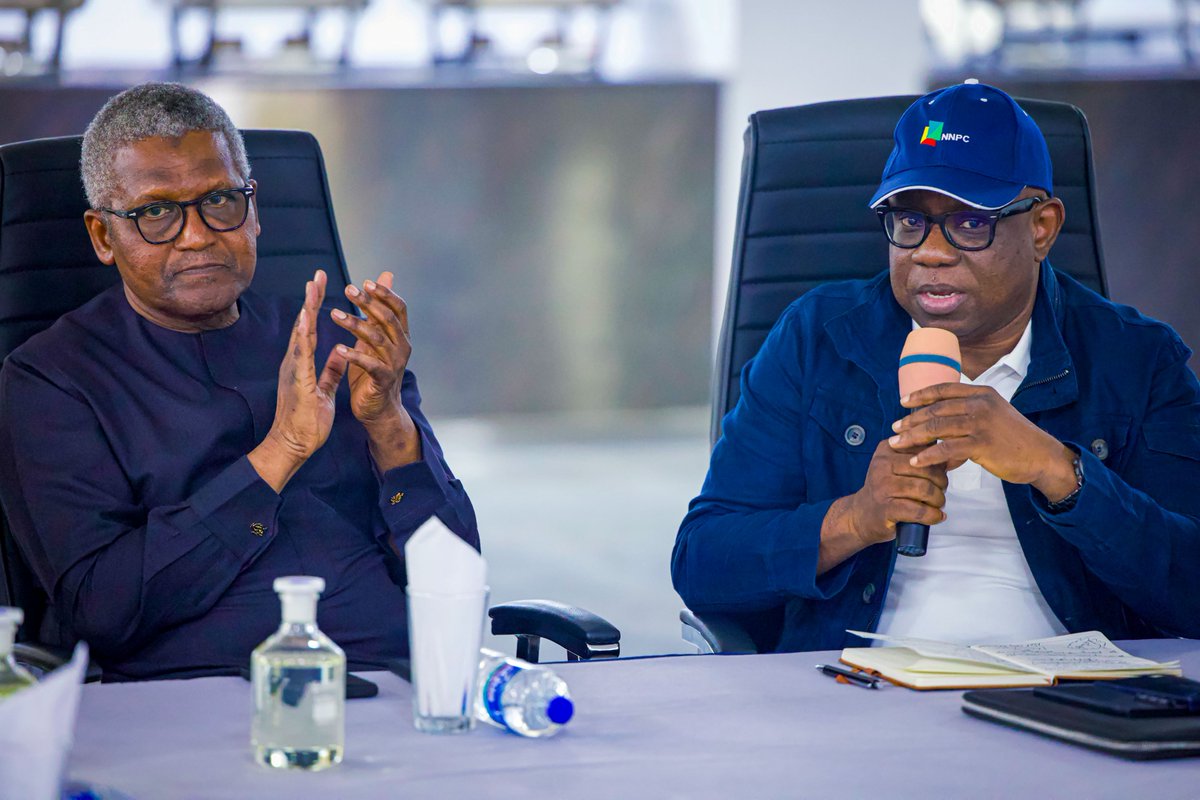
Dangote made the disclosure during a media briefing held at the refinery complex, following an official tour led by the Group Chief Executive Officer of the Nigerian National Petroleum Company Limited (NNPC), Bayo Ojulari, alongside members of the company’s board and executive management.
According to the billionaire industrialist, preparations are underway to enable retail investors to purchase shares in the refinery within the next four to five months.
He explained that NNPC currently holds a 7.25 percent minority stake in the refinery on behalf of Nigerians. Dangote further stated that prospective investors would be given flexibility in receiving dividend payments, with options to collect returns either in naira or in U.S. dollars, reflecting the refinery’s foreign currency earnings capacity.
Beyond equity participation, Dangote emphasized the importance of strengthening operational collaboration between the refinery and NNPC, noting that deeper partnerships across the oil and gas value chain are under consideration.
He suggested that discussions are ongoing regarding potential upstream investments, which could see reciprocal partnerships between both entities.
Dangote described the facility not merely as a refinery but as an industrial hub designed to catalyze broader manufacturing and petrochemical activities.
Among upcoming projects within the complex is the production of linear alkylbenzene, a key raw material in detergent manufacturing. According to Dangote, planned output capacity will be sufficient to meet demand across the African continent within the next 30 months.
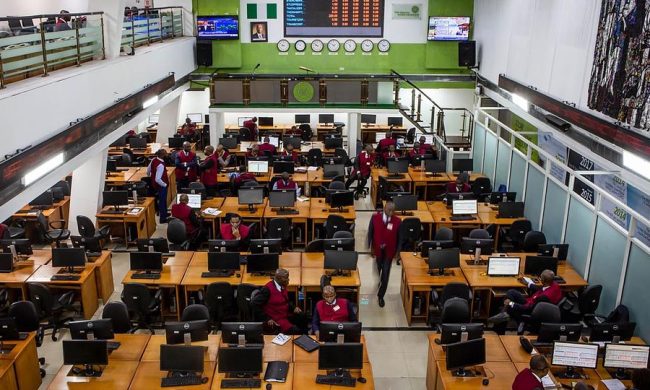
The proposed share offering is expected to deepen domestic ownership, enhance capital market participation, and broaden wealth distribution linked to Nigeria’s energy infrastructure.
The development signals a strategic shift toward greater transparency and inclusive investment in large-scale industrial assets, potentially reshaping Nigeria’s downstream petroleum landscape.