








KEY POINTS
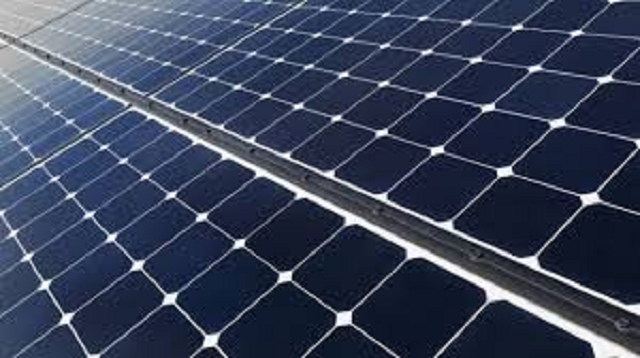
- The Niger Electricity Distribution Company (NEDC), a subsidiary of AEDC, is collaborating with the Niger State Government to deploy solar mini-grids and renewable energy solutions.
- The initiative targets 24-hour solar power for over 180 communities that have lacked meaningful electricity supply for more than a decade.
- Critical public facilities, including the Government House and major hospitals like IBB Specialist Hospital, will transition to independent solar systems.
- The partnership aligns with the Electricity Act 2023, promoting decentralized power and local regulation through the Niger State Electricity Regulatory Commission (NSERC).
MAIN STORY
The Abuja Electricity Distribution Company (AEDC), operating through its subsidiary, the Niger Electricity Distribution Company (NEDC), has announced a strategic partnership with the Niger State Government to accelerate rural electrification. According to a statement released on Tuesday by Omede Odekina, the collaboration is focused on deploying solar mini-grids to unserved and underserved regions.
This move supports Governor Mohammed Bago’s administration in its quest to provide reliable energy to over 180 communities that have been in darkness for over ten years.
Central to this green transition is the migration of essential public infrastructure to independent solar power. Key institutions—including the General Hospital, IBB Specialist Hospital, the Niger State Water Board, and various Ministries, Departments, and Agencies (MDAs)—will be moved off the traditional grid onto sustainable solar systems. AEDC Managing Director, Mr. Chijioke Okwuokenye, emphasized that these efforts complement the national push for decentralized power under the Electricity Act 2023, showcasing how government and licensed operators can work together to bypass traditional grid limitations.
NEDC, acting as the licensed intrastate distributor, plans to integrate these mini-grid projects under the NSERC licensing regime. Projects in areas such as Lambata in Gurara Local Government Area are already receiving support through partnerships with the Rural Electrification Agency and international donors. By focusing on hybrid solutions and public-private partnerships, the NEDC aims to reduce reliance on traditional grid extensions where they are not yet viable, fostering industrial growth and enhanced security of supply for businesses and residents throughout Niger State.
WHAT’S BEING SAID
- “These efforts complement the national push for decentralised power under the Electricity Act 2023 and demonstrate how collaboration between government, regulators, and licensed operators can accelerate progress for our customers,” stated Mr. Chijioke Okwuokenye, AEDC Managing Director.
- “As the licensed intrastate distributor… NEDC is eager to partner closely with the state government on hybrid solutions and grid integration where feasible,” said Mr. Sam Odekina, Acting Managing Director of NEDC.
- “This move represents a significant step forward in addressing long-standing energy access challenges.”
WHAT’S NEXT
- NEDC and state authorities will begin the seamless integration of mini-grid projects in Lambata into the wider NSERC licensing regime.
- Technical teams are expected to finalize the transition of critical public facilities like the IBB Specialist Hospital to independent solar systems.
- Further public-private partnership (PPP) opportunities will be explored to scale renewable energy access to additional Local Government Areas in Niger State.
BOTTOM LINE
The Bottom Line is that Niger State is moving toward energy independence through a decentralized, solar-first strategy. NEDC and the state government insist that by bypassing traditional grid constraints, they can finally provide 24-hour power to hundreds of communities while securing the operations of critical public institutions.








, operating through its subsidiary, the Niger Electricity Distribution Company (NEDC), has announced a strategic partnership with the Niger State Government to accelerate rural electrification. According to a statement released on Tuesday by Omede Odekina, the collaboration is focused on deploying solar mini-grids to unserved and underserved regions.)