









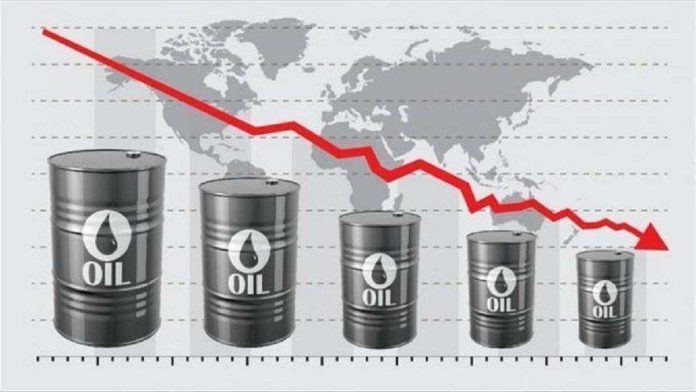
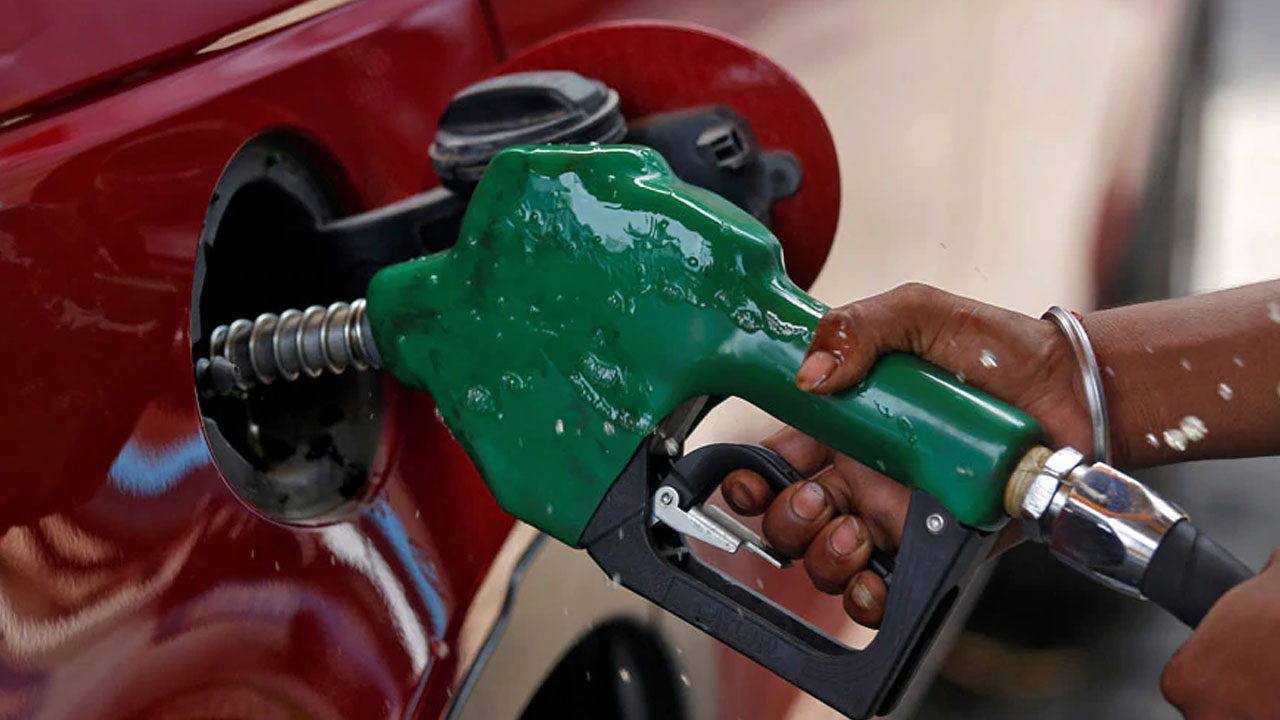
The Federal Government, through the Nigerian Midstream and Downstream Petroleum Regulatory Authority (NMDPRA), has assured Nigerians that the prices of petrol, diesel, and Liquefied Petroleum Gas (LPG) will continue to fall throughout 2026.
Speaking on Sunday, January 25, during an inspection of Aradel Holdings’ facilities in Rivers State, NMDPRA Chief Executive Saidu Mohammed attributed the downward trend to increased local refining capacity, rising supply levels, and healthy competition among private sector players. Mohammed noted that petrol prices have already seen a significant correction, dropping from approximately ₦1,000 to ₦800 per litre in several regions as the market shifts away from the distortions of the subsidy era toward a more efficient, supply-driven system.
The government’s optimism is anchored on the “Naira-for-Crude” initiative and the growing output from indigenous refineries like Dangote and Aradel. By sourcing crude in local currency and refining it domestically, these facilities are reducing the pressure on foreign exchange and lowering the “gantry prices” for marketers.
For instance, LPG (cooking gas) prices, which peaked at ₦1,800 per kg in late 2025 due to industrial strikes and maintenance at the NLNG facility, have already retreated to between ₦1,080 and ₦1,400 per kg in early 2026. The NMDPRA predicts that as more refineries, including the state-owned Port Harcourt and Warri plants resume loading operations, the increased availability of products will naturally force retail prices even lower.
Despite this positive outlook, the government is also introducing a 5 percent fossil fuel surcharge starting in 2026 to encourage a transition toward cleaner energy. However, the NMDPRA maintains that the cost-saving benefits of high local production will outweigh the impact of the new tax on the average consumer.
To ensure these gains reach the public, the regulator has intensified its monitoring of depots to prevent hoarding and price gouging. With domestic refineries now supplying nearly 87 percent of the nation’s cooking gas and petrol production scaling up, the FG insists that “sustained competition, rather than subsidies,” will be the permanent guarantor of affordable energy for all Nigerians.







, has assured Nigerians that the prices of petrol, diesel, and Liquefied Petroleum Gas (LPG) will continue to fall throughout 2026.)