









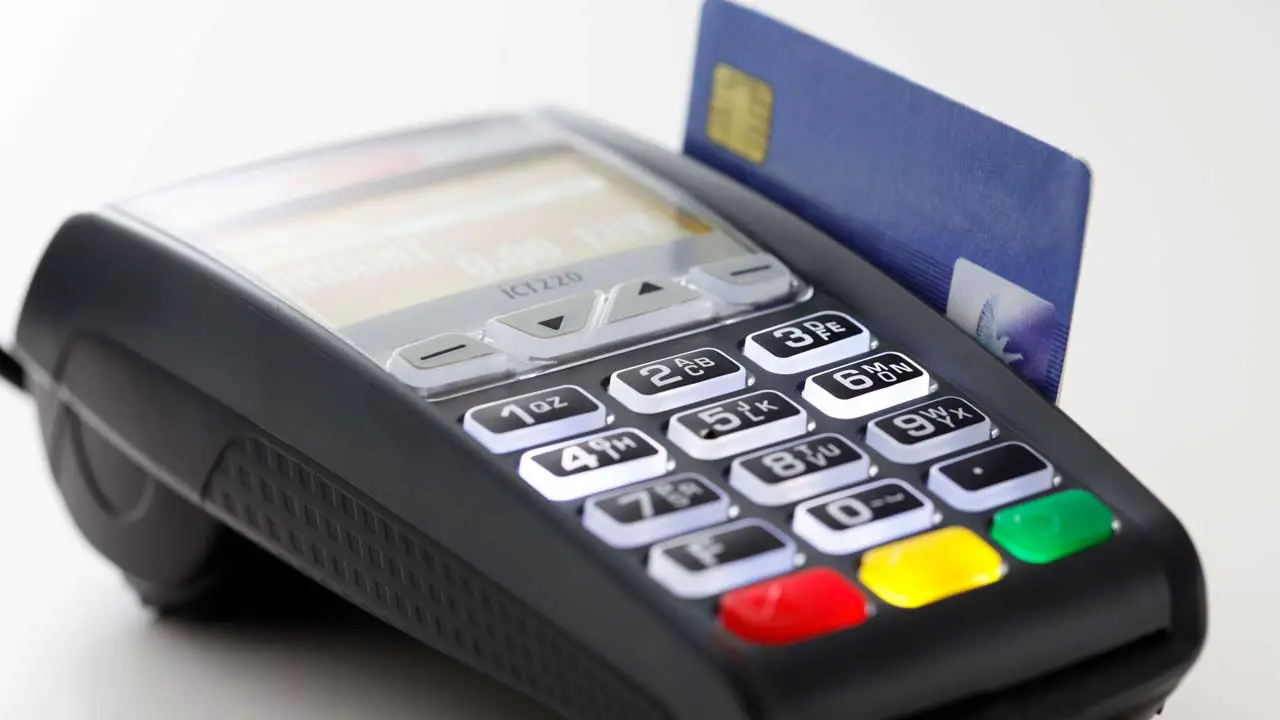
The Central Bank of Nigeria (CBN) has directed banks and non-bank payment service providers to configure all automated teller machines (ATMs), point-of-sale (POS), and virtual terminals to accept international cards, aiming to improve access for tourists and Nigerians returning from abroad.
In a circular dated December 18, signed by Rita Sike, Director of the Financial Policy and Regulation Department, the apex bank instructed financial institutions to implement multi-factor authentication for transactions above $200 per day, $500 per week, and $1,000 per month, ensuring greater security for foreign card users.
The CBN emphasized that transactions should clearly display applicable exchange rates and fees, which must be accepted by users before completion. Institutions are also required to maintain sufficient liquidity, settle merchant payments in naira, monitor unusual activity, and strengthen anti-money laundering and know-your-customer controls.
Merchants must ensure card-present transaction receipts are properly signed and verify the identity of customers for suspicious transactions. Banks and acquirers are also to report suspicious activity to the Nigeria Financial Intelligence Unit (NFIU) and recalibrate fraud-monitoring systems to prevent unnecessary declines of legitimate transactions.
Additional requirements include equipping card acceptance devices with contactless payment features for low-value transactions, resolving consumer complaints promptly, and implementing robust chargeback management processes. Documentation for all card transactions must be retained for at least 12 months and be readily accessible within 24 hours.
The CBN further directed banks to provide quarterly training for merchants and agents on dispute handling and chargeback procedures. Tourists and returning Nigerians facing issues with foreign card use are advised to report complaints to the CBN via complaint4cbn@cbn.gov.ng.
The apex bank warned that it will monitor compliance and impose sanctions on any institutions found in breach of these directives.





 has directed banks and non-bank payment service providers to configure all automated teller machines (ATMs), point-of-sale (POS), and virtual terminals to accept international cards, aiming to improve access for tourists and Nigerians returning from abroad.)