The Federal Government has announced tougher measures to restrict the importation of used vehicles into Nigeria as part of efforts to improve road safety, protect the environment and strengthen the local automotive industry.
Joseph Osanipin, director-general of the National Automotive Design and Development Council (NADDC), disclosed this at the 18th Nigeria Auto Journalists Association (NAJA) International Auto Awards.
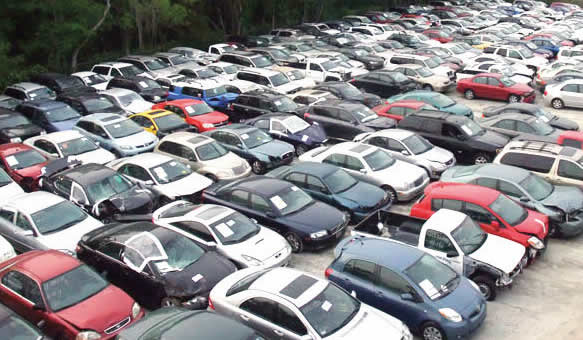
Osanipin said the government will commence full implementation of the End-of-Life Vehicle (ELV) policy next year, a move aimed at removing unroadworthy vehicles from Nigerian roads and preventing the entry of substandard cars into the country.
He explained that operational procedures for the ELV recycling regulations are already being finalised, with full enforcement expected from the second quarter of next year.
According to him, once the policy takes effect, vehicles that do not meet minimum safety and roadworthiness standards will no longer be allowed to operate or be imported, adding that all relevant regulatory agencies have been engaged to ensure effective implementation.
“In the last few months, we launched the end-of-life vehicle policy and have made progress in developing the operational framework. By the second quarter of next year, implementation will begin in full,” Osanipin said.
An End-of-Life Vehicle refers to a car or other motor vehicle that has reached the end of its useful life due to age, damage or poor condition and requires proper dismantling and recycling to prevent environmental harm.
Osanipin also revealed that the Federal Government is intensifying efforts to push the national automotive policy to the National Assembly, noting that consultations with lawmakers have commenced and public hearings will follow.
He said the proposed policy would introduce stricter standards for imported used vehicles, ensuring that only those that have been tested, accredited and certified in line with international benchmarks are allowed into Nigeria.
Vehicles that fail to meet these standards, he said, will be barred from importation, with the reforms to be introduced gradually to manage the transition.
The NADDC boss noted that the measures are intended not only to enhance vehicle safety and quality on Nigerian roads but also to encourage local vehicle assembly and job creation within the automotive sector.
He commended NAJA for sustaining the annual awards, describing the initiative as a key platform for industry engagement and recognition of excellence in Nigeria’s automotive ecosystem.