




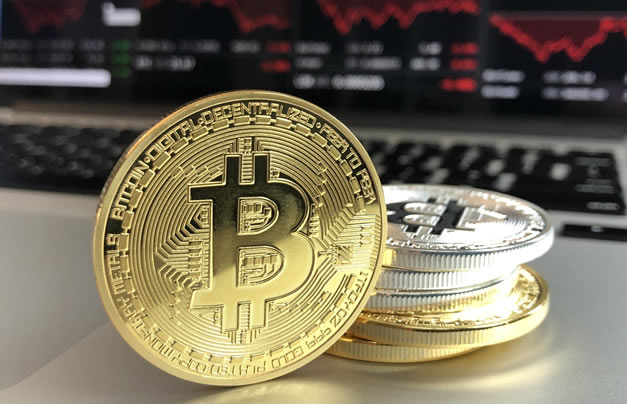
Bitcoin briefly broke above the $112,000 mark in the past 24 hours with a 3% price increase before pulling back to around $111,200, a level it previously struggled to surpass.
The brief rally in the world’s largest cryptocurrency came amid a wider market upswing, but the momentum was short-lived. It is unclear what triggered the pullback, but analysts suggest some traders may have taken the opportunity to lock in profits after the surge. “Bitcoin’s dip after breaking $112,000 could simply be profit-taking. The market tends to see small corrections after significant resistance levels are breached,” a Lagos-based crypto analyst said.

Meanwhile, Ethereum is gaining strong upward momentum. According to data from CoinMarketCap.com, the second-largest cryptocurrency has appreciated by about 7% in the last 24 hours. This comes as Nasdaq-listed GameSquare placed a $100 million bet on ETHUSD, fueling optimism in the asset.
At the time of writing, Ethereum is trading at $2,780, after briefly testing the $2,800 level earlier in the day. A 25 basis point pullback has since trimmed some of the gains, but investor sentiment remains upbeat. “Ethereum’s strength is backed by both institutional confidence and market sentiment. A move to $3,000 in the near term is not out of the question,” said a cryptocurrency trader at a digital asset exchange in Abuja. The broader market is also benefiting from investor appetite for risk, as U.S. tech stocks, including Nvidia, rallied. Digital assets like Bitcoin and Ethereum often move in tandem with high-growth equities, reflecting broader risk-on sentiment.
Looking ahead, Bitcoin’s price outlook for 2025 is becoming increasingly bullish. Analysts point to historic inflows into spot Bitcoin ETFs, rising institutional participation, and growing political support particularly former President Donald Trump’s proposed Strategic Bitcoin Reserves key drivers of long-term confidence. Traders are now watching the $115,000 psychological resistance level, with some projecting Bitcoin could reach $120,000 before the end of summer if macroeconomic conditions remain stable.