








Let’s face it—who doesn’t want a little financial breathing room in a country where the Naira keeps shrinking and inflation won’t quit? So when a platform flashes guaranteed returns, referral bonuses, and some slick branding—maybe even a couple of celebrity photos tossed in—it’s tempting to click ‘invest.’ After all, if it’s trending on WhatsApp or popping up on Instagram reels, how bad could it be?
But here’s the kicker: it usually is that bad.
The Securities and Exchange Commission (SEC) has flagged not one, not two, but seven online platforms in 2025 alone—each running some version of a Ponzi scheme. What’s more worrying? Most of these operations weren’t hiding in the shadows. They were out in the open, promising prosperity, pushing FOMO buttons, and playing to Nigerians’ deepest financial anxieties.
Ponzi Schemes
The structure hasn’t changed much since Charles Ponzi ran wild in the 1920s. You get paid—not from any real business venture—but from the money newer investors bring in. Eventually, when recruitment slows or a few investors demand large withdrawals, the whole thing crumbles. Rinse. Repeat. Rename.
In 2025, the twist is tech. Many of these schemes are cloaked in the language of fintech, crypto, or digital marketing. That digital polish? It’s just sugarcoating over old-school fraud.
1. Pocket Option
Flagged: July 21, 2025
Marketed as a legit online investment advisor, Pocket Option pulled investors in with social media posts dripping in fake credibility. According to the SEC, it had no license, no real services—just promises. Pure Ponzi playbook. The platform’s real trick? Community forums and influencers quietly pitching it like a smart money move. And it worked—until it didn’t.
2. Forsman & Bodenfors LTD (F&B)
Flagged: July 14, 2025
What’s more Nigerian than a job promise tied to a referral bonus? F&B posed as the Nigerian chapter of a well-known Swedish ad agency. But instead of job interviews, recruits were asked to pay for imaginary positions. And for every person you dragged in, you’d supposedly get promoted. Sound familiar? The SEC called it what it was: a pyramid wrapped in corporate lingo.
3. Value Growth Platform
Flagged: June 30, 2025
They said they had market insights. They said your money was “working” for you. They even sweetened the deal with referral perks. But the SEC dug in and found…well, nothing. No license. No regulation. No verifiable trading activity. Just a promise of consistent earnings—a phrase that should always make you pause. Let’s be honest—if real investing was that predictable, why would banks still be broke?
4. CMTrading
Flagged: June 20, 2025
This one went for the Oscar. Cloned websites of Punch, Channels, even BBC. Doctored photos of Nigerian celebs. And fake endorsements plastered across TikTok and Twitter (or X, as Elon wants it called now). The cherry on top? Claims of international licensing. But the SEC called it bluff. CMTrading was nothing more than a carefully scripted fantasy—and behind the curtain? The same old referral-based Ponzi con.
5. Sapphire Scents Limited
Flagged: June 19, 2025
Now here’s a strange pivot. A brand known for fragrances—Sapphire Scents—decided to moonlight as an “investment firm.” No license. No legal standing in Nigeria’s capital market. Just vibes and a lot of DMs asking for capital. The SEC, not amused, issued a public warning. But some Nigerians had already fallen nose-first into the trap.
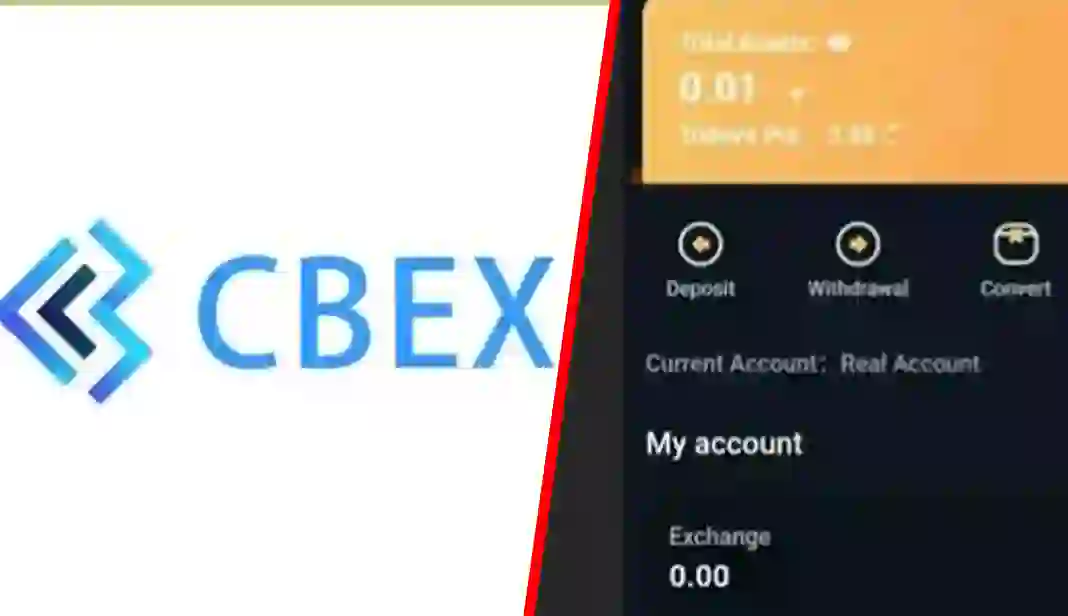
6. CBEX / ST Technologies
Flagged: June 11, 2025
This one hurt. CBEX had already collapsed in April, with people’s funds still hanging in limbo. But like a Nollywood villain in part two, it came back—with a new name: ST Technologies (aka Smart Treasure). Same shady practices, now charging “withdrawal fees” to access your own money. The SEC wasn’t fooled—and neither should you be. “Pay to withdraw” is always a red flag.
7. Punisher Coin ($PUN)
Flagged: June 5, 2025
Cryptocurrency is exciting. But it’s also become a playground for scammers. Punisher Coin, hyped as a meme token with big dreams, turned out to be the classic pump-and-dump hustle. They raise the price, dump their shares, and leave you holding the digital equivalent of ash. The SEC warned Nigerians to stay far away. But the hype machine online was louder—for a while.
The Patterns Are Too Familiar
Each of these platforms checked the same boxes:
- Bold promises of “guaranteed” or “high” returns
- Unlicensed operations, with no oversight
- Heavy dependence on referrals (basically, your money funds someone else’s payout)
- Pressure to invest quickly or miss out (“limited time only!”)
- Glitzy marketing with social proof—fake or exaggerated
These are not just bad investments—they’re traps. And more often than not, the victims aren’t careless. They’re simply hopeful.
Why Do Nigerians Keep Falling For This?
A tough economy. Rising unemployment. A growing culture of hustle. Mix in social media hype, financial desperation, and poor access to financial literacy—and you’ve got the perfect storm. Plus, let’s admit it: We often trust people we know over institutions. If a friend sends you a link and says, “Bro, I doubled my cash in a week,” it feels safer than some faceless bank app. But feelings aren’t facts.
Here’s the Thing: Legit Investments Look Boring
Yeah, real investing isn’t flashy. It doesn’t triple your money overnight. There’s paperwork. There are ups and downs. And yes, it takes time. But that’s the point. Building wealth is slow. Scammers know that’s not sexy—so they sell you a fantasy. Your job? Don’t buy it.
So, What Now?
The SEC has done its part—naming and shaming, issuing warnings, and chasing down the bad guys. But personal vigilance still matters. Here’s what to do:
- Always check SEC’s list of registered investment firms
- Don’t fall for emotional appeals or overnight success stories
- Ask hard questions: “How exactly does this business make money?”
- If in doubt, don’t part with your money—no matter how small the amount
- Educate friends and family, especially those less tech-savvy
Final Word
You’ve heard it before, but it bears repeating: scams thrive because they sound better than reality. In 2025, scammers got smarter—but so can we. Watch the signs. Question the hype. And remember: true wealth isn’t found in shortcuts. It’s in smart, steady steps.
And if you’re ever unsure? Ask questions. Ask regulators. Ask your accountant friend. Because when the music stops—and it always does—you’ll want to be the one still standing, not the one left clapping for a show that’s already ended.