








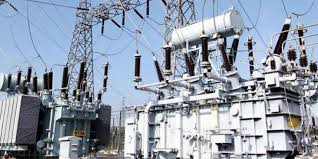
The Federal Government may soon reprivatise Nigeria’s 11 electricity distribution companies (Discos) if they fail to inject fresh capital into the sector within the next 12 months, according to the proposed Electricity Act (Amendment) Bill, 2025, currently before the National Assembly.
The bill, sponsored by Senator Enyinnaya Abaribe (Abia South), seeks to amend the Electricity Act of 2023 by closing regulatory gaps, enforcing stricter penalties for underperformance, and pushing for a complete overhaul of the financial and operational structure of Nigeria’s power sector.
Why This Matters
If passed, the bill will give the Nigerian Electricity Regulatory Commission (NERC) stronger powers to:
- Compel Discos to recapitalise within 12 months
- Dilute investor shares, especially in companies under financial distress
- Place underperforming Discos under receivership
- Reprivatise Discos that fail to meet minimum standards
This proposed law signals a stronger stance from the Federal Government, which has become increasingly frustrated with the poor service delivery and lingering debt problems plaguing the electricity sector, despite multiple bailouts and reforms.
The 11 Discos Affected: The proposed law will apply to the following electricity distribution companies across Nigeria:
- Abuja Electricity Distribution Company
- Benin Electricity Distribution Company
- Eko Electricity Distribution Company
- Enugu Electricity Distribution Company
- Ibadan Electricity Distribution Company
- Ikeja Electricity Distribution Company
- Jos Electricity Distribution Company
- Kaduna Electricity Distribution Company
- Kano Electricity Distribution Company
- Port Harcourt Electricity Distribution Company
- Yola Electricity Distribution Company
Key Features of the Amendment Bill
12-Month Recapitalisation Deadline: Investors must inject fresh capital or risk regulatory sanctions.
Empowered NERC: The bill strengthens NERC’s authority to issue directives, enforce recapitalisation, and impose sanctions.
Clear Federal and State Equity Contributions: Federal and state governments must clearly state and fulfil their financial commitments within a year.
Financial Overhaul of NESI: The Nigerian Electricity Supply Industry (NESI) will undergo a deep financial restructuring to attract long-term investments.
Elimination of Unstructured Subsidies: The bill proposes a phase-out of fuel subsidies and calls for a cost-reflective tariff regime.
Sector Reactions
In May 2025, Minister of Power Adebayo Adelabu openly criticised the Discos for failing to deliver value.
“We’ve invested trillions of naira in this sector, yet many Nigerians still live in darkness. The Discos have failed to meet expectations. If you can’t invest, step aside,” Adelabu said during a press briefing.
The government had previously supported the Discos with financial interventions, but their performance remains largely underwhelming, with persistent outages and mounting debts.
Experts’ Concerns
While some experts applaud the bill, others are urging caution.
Habu Sadiek, a power analyst, welcomed the recapitalisation push but warned that “The government must first clear existing subsidy debts and introduce cost-reflective tariffs. Also, 12 months is too short, 24 months, like what was done in the banking sector, would be more realistic.”
Chinedu Amah, another expert, noted that the sector’s problem is less about policy and more about lack of implementation.
“We have policies for everything. What’s lacking is political will and proper execution,” he said.
Industry Pushback and Concerns
The Forum of Commissioners of Power and Energy has expressed concern that the bill could undermine the decentralised electricity market now emerging under the 2023 Electricity Act. They fear it could roll back progress made by state governments and private stakeholders working to localise power generation and supply.
Meanwhile, a Disco representative who spoke anonymously stated that the industry is not opposed to the law, as long as implementation is inclusive.
“If the law is passed, we will comply. The key is to ensure that implementation does not damage investor confidence or disrupt power supply.”
The bill has passed its second reading and is undergoing further review. Once signed into law, it could mark the most significant shake-up in Nigeria’s power sector since the initial privatisation exercise in 2013.
The government also plans to deploy special intervention teams to two underperforming Discos between May and August 2025 as part of a broader pilot reform. This effort, supported by the Japanese International Cooperation Agency, is part of a roadmap to overhaul the distribution value chain.
The bottom line is if the Electricity Amendment Bill becomes law:
Discos that underperform will no longer be shielded by government leniency.
NERC will gain greater regulatory teeth to restructure the power sector.
The focus will shift to investment, efficiency, and transparency, ending the cycle of poor service and unpaid debts.
For everyday Nigerians, this reform may finally offer hope for a more reliable and sustainable electricity supply—but only if it is implemented with fairness, speed, and accountability.








 if they fail to inject ...)