







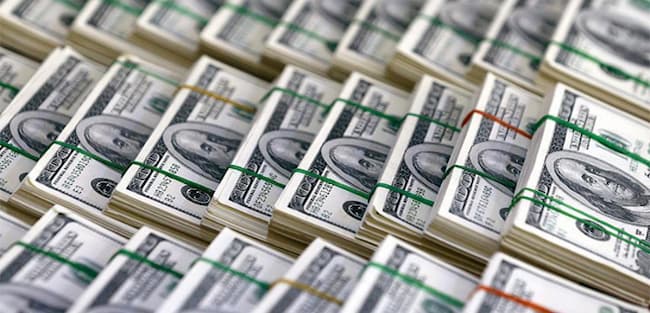
The US dollar is reeling from its steepest six-month decline since 1973, as currency markets absorb the impact of controversial domestic policies and investor flight from the greenback. The dollar index (DXY), which tracks the currency against six major counterparts, was down 0.4% on Tuesday, falling to 96.38.
This marks a staggering 11% loss since the beginning of the year, reflecting the weakening appeal of the US dollar among forex traders and global investors who now view the currency as increasingly unstable amid political interference and inflation fears.
Market confidence has been eroded by the Trump administration’s intense pressure campaign on the Federal Reserve to ease interest rates. Trump has consistently criticized Fed Chair Jerome Powell for maintaining high borrowing costs, despite economic headwinds.
In a revealing move, White House Press Secretary Karoline Leavitt shared a handwritten note by the president highlighting central bank interest rates worldwide. Trump’s note pointed to a preferred US rate range between 0.5% and 1.75%, well below the Fed’s current 4.5% to 4.75% target.
The administration’s proposed fiscal plan, recently approved in the Senate, is also raising eyebrows. The Republican tax-and-spending bill, expected to balloon the national deficit by trillions, has added further strain on the dollar.
Speculators were further rattled by reports that Trump plans to appoint a shadow Fed chairman tasked with monitoring monetary policy before Powell steps down next spring. The move raises fresh questions about central bank independence and could contribute to continued volatility in currency markets.
The dollar index reached a new low of 96.38 in overnight trading—the weakest level since February 2021—and confirms a dramatic 11% decline since January 1, making this the worst start to a year in more than 50 years.
Though markets are betting on a potential interest rate cut in September, Powell has reiterated that persistent inflation and a solid labor market offer little justification for imminent monetary easing. “We are in no hurry,” Powell stated, reflecting the Fed’s cautious approach to rate decisions.