








A Senior Advocate of Nigeria (SAN), Mohamed Ndarani, calls on the House of Representatives Constitution Review Committee to include Edu State in the list of 31 proposed new states.
Speaking at a press briefing in Abuja on Monday, Ndarani emphasizes that creating Edu State—also known as Eduko—from Niger State would give the Nupe people a greater sense of inclusion in Nigeria’s political structure.
Proposed State Creation Plan
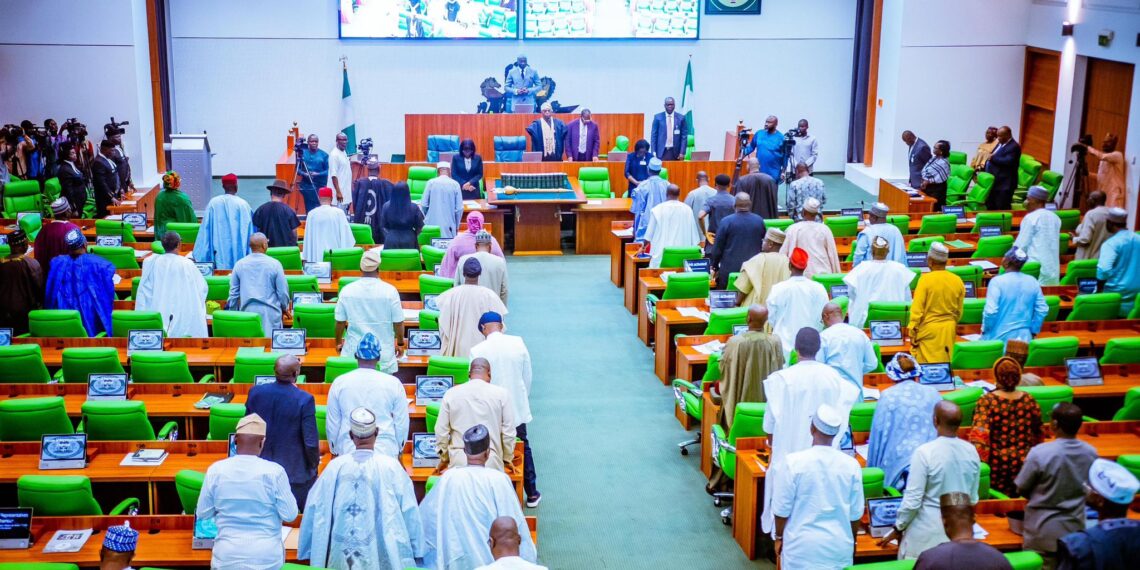
The Deputy Speaker of the House of Representatives, Benjamin Kalu, reads a letter from the Constitution Review Committee outlining the proposal for the creation of 31 new states. The plan aims to improve regional representation, economic sustainability, and governance balance.
The proposed states include:
- North Central: Okun, Okura, and Confluence (Kogi); Benue Ala and Apa (Benue); FCT State.
- North East: Amana (Adamawa); Katagum (Bauchi); Savannah (Borno); Muri (Taraba).
- North West: New Kaduna and Gurara (Kaduna); Tiga and Ari (Kano); Kainji (Kebbi).
- South East: Etiti and Orashi (6th state in the region); Adada (Enugu); Orlu (Imo); Aba (Abia).
- South South: Ogoja (Cross River); Warri (Delta); Ori and Obolo (Rivers).
- South West: Torumbe (Ondo); Ibadan (Oyo); Lagoon (Lagos); Ijebu (Ogun); Oke-Ogun/Ijesha (Oyo/Ogun/Osun).
The proposal must go through a constitutional process, including legislative approvals and public referendums, before implementation.
Ndarani’s Justification for Edu State
Ndarani argues that Niger State’s geographical size surpasses that of the entire South East and is comparable to that of the South West. He highlights the state’s vast landmass and natural resources, including its potential for oil production.
“The proposed Edu State is a viable and well-developed state with Bida as its capital,” he states. He further notes that the state would encompass areas from Niger, Kogi, and Kwara states.
He urges lawmakers of Nupe origin from these states, as well as the Federal Capital Territory (FCT), to support the Eduko State proposal.
“The original request for Edu State reaches the National Assembly in September 2022, submitted by Nupe elders, leaders, and representatives from Bida, Agaie, and Lapai emirates,” he explains. He adds that the request aligns with Section 8 of the 1999 Constitution (as amended), making it a strong candidate for consideration.
Ongoing Debate on State Creation
The push for additional states continues to generate mixed reactions. While supporters believe it will enhance governance and development, critics warn that it could increase administrative costs.
Senior lawyer Mike Ozekhome, SAN, criticizes the proposal, calling it unnecessary amid Nigeria’s pressing economic and governance challenges. He suggests that only two structural reforms are needed:
- Creating one additional state in the South East to ensure regional balance.
- Drafting a new, people-driven constitution to address systemic governance issues.
Meanwhile, the House of Representatives clarifies that the proposed state creations come from private member bills and do not represent an official stance. House spokesperson Akin Rotimi Jr. states that all proposals must meet constitutional requirements before consideration.
As discussions progress, the proposal for new states remains a major topic of national debate, with significant implications for Nigeria’s political and economic landscape.










, Mohamed Ndarani, calls on the House of Representatives Constitution Review Committee to include Edu State in the list of 31 proposed new states.)